Northern Vietnam in February: drizzle, blossom and Tet
Cool and damp in the lowlands, cold and foggy in the mountains, with plum blossom and Tet to plan around. What each region is like, and what to check before you book.
Hoang Anh, host at Rustic House · · 7 min read
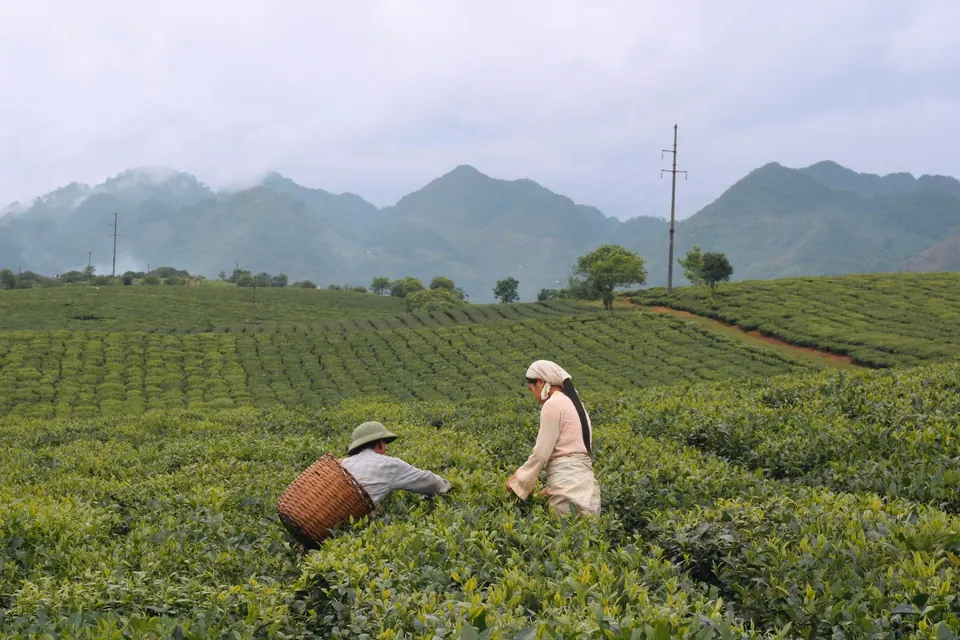
Photo: Nguyen Ngoc Tien on Pexels
The short answer
Northern Vietnam in February is mild by day and cool at night in the lowlands, and cold and often foggy in the mountains. Hanoi averages a daytime high of 21.3°C and a nightly low of 16.2°C on the weather service's 1991-2020 figures, with little rain in total but 12 rain days. Tet 2027 falls on Saturday 6 February, and the official public-sector break runs from 4 to 10 February. Many family businesses close for some days around Tet. Plum blossom usually comes around the lunar new year, so check close to your dates.
We are a family on Cat Ba, at the coastal end of the north. We have not written up the mountains from our own trips, so this guide reads the national weather service, Vietnam's tourism board, a government notice on the Tet holiday and independent travel writers side by side. Where they disagree, or say nothing, we tell you.
Two things to check last, close to your dates: the blossom weeks, which move with each year's weather, and opening hours over Tet. We found no source that says which restaurants, homestays, trains or boats are shut that week, so we do not guess. If you want a second pair of eyes on a plan, message us.
Northern Vietnam in February: weather at a glance
These are the national weather service's 1991-2020 averages for four named stations. Each is a city station, so read it as that city and not as the whole region. The low is an average of nightly lows, not the coldest night.
| Station | February high / low | Rain | Note |
|---|---|---|---|
| Hanoi | 21.3°C / 16.2°C | 19 mm over 12 rain days | The driest month of its year, but many damp days. |
| Hai Phong | 20.9°C / 15.8°C | 21 mm over 13 rain days | The station nearest the bay and Cat Ba, not a bay measurement. |
| Lao Cai | 22.4°C / 16.6°C | 24 mm over 9.0 rain days | A lowland city, not Sapa. Sapa is higher and colder. |
| Lang Son | 19.5°C / 12.7°C | 29 mm over 10 rain days | The coldest of the four in February. |
There is no official figure for Sapa, Moc Chau, Ninh Binh or the bay, so we give none. At all four stations February is a degree or two milder than January.
Hanoi in February: drizzle more than rain
Is it wet? February is Hanoi's driest month on the weather service's figures, yet it has 12 rain days: not much rain, but often. That is more rain days than any month from October to January.
The fine drizzle the Vietnamese call mưa phùn is part of late winter in the north. We have no station figure for drizzle itself. In its late-winter 2026 outlook, the national forecast service expected drizzle and fog at about the usual level in the eastern provinces of the north. That describes one year and one region, not Hanoi.
Is it cold? It depends on how you measure. The 16.2°C above is an average of nightly lows. The tourism board says that from late December until March temperatures are surprisingly cold, with lows of 10 degrees, and it does not say how that figure is measured. The two numbers need not conflict. Pack for a mild afternoon and a chilly night.
Ninh Binh has no station of its own, so expect conditions similar to Hanoi.
The mountains: cold nights, fog and clear spells
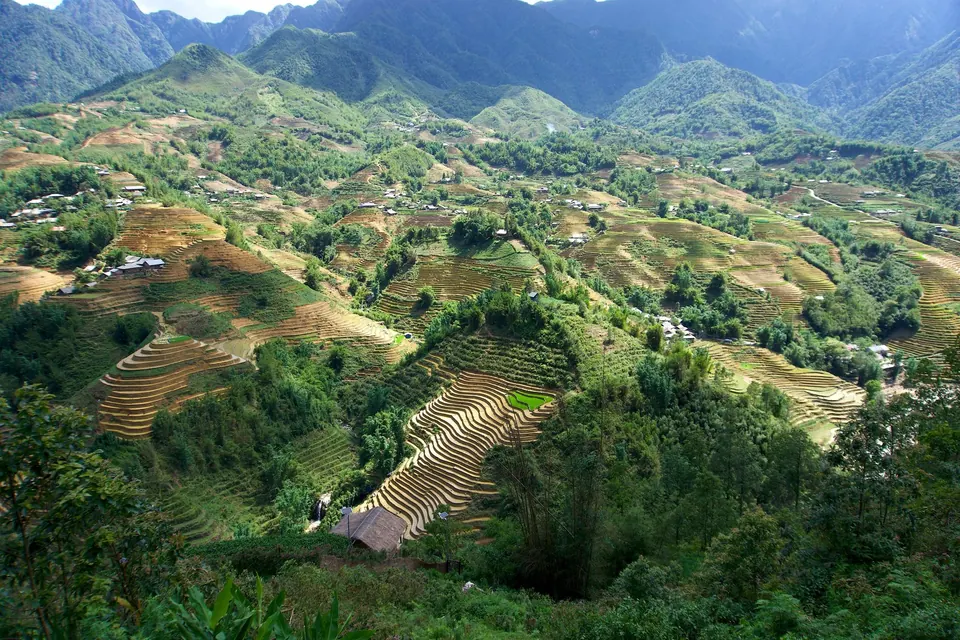
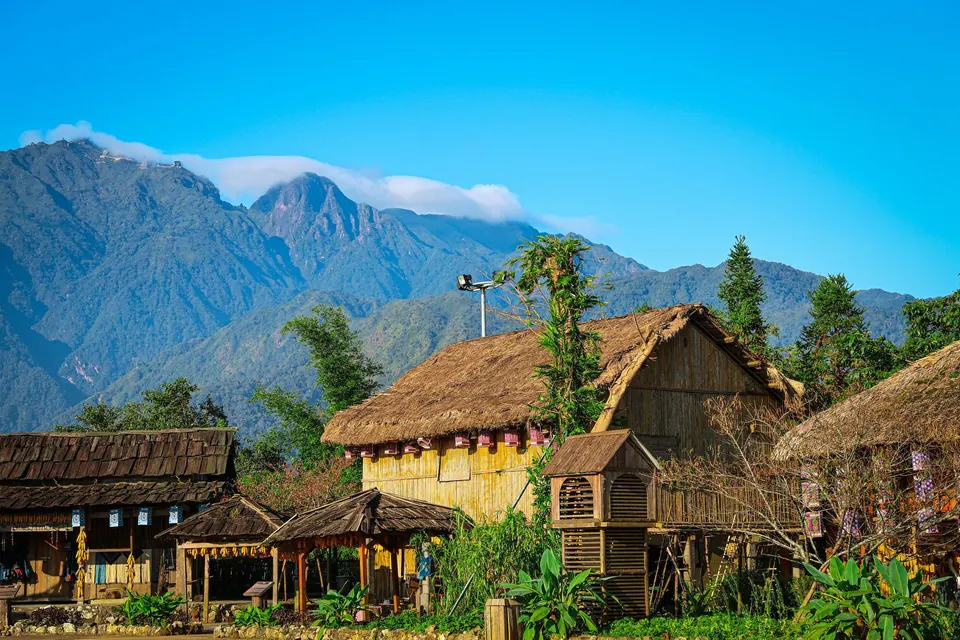
How cold and foggy are Sapa and the north-east? The tourism board lists December to March in Sapa as chilly, misty and cloudy, with the odd snowfall in January. One Fansipan cable car guide says fog and heavy mist are common in January and February and may hide the summit view, and puts rain lowest from December to February. Several unrelated writers also describe fog in a Sapa winter. Expect clear spells between foggy days.
Lao Cai in the table is the lowland arrival city. Sapa town sits higher and is colder. Lang Son, the north-east border town, is the coldest of the four stations.
Indoors can be cold too. Not all Sapa hotels have proper heating, and some rooms heat unevenly or not at all. It is worth asking about heating before you book.
Cold snaps arrive in waves. As one winter's example, the north had four cold-air outbreaks between 21 January and about 20 February 2026. That is a single year, not a forecast.
Plum and peach blossom: usually around the lunar new year
Will the blossom be out? Moc Chau's plum blossom usually comes around the lunar new year, roughly late January into February. The weeks move with each year's weather, so check close to your dates. In 2021, trees were reported flowering as early as late November and early December. One independent guide suggests keeping your dates flexible by a week. Our own guide to Moc Chau through the seasons says the same: check the blossom news the week before you book.
Peach blossom comes in the same late-winter period in some Moc Chau villages. In Hanoi, one guide club says peach blossom and kumquat sellers line the streets as Tet preparations begin.
The orchards are misty early in the morning, so mid-morning is a better time to go. Many are private gardens that may charge a small fee. Around Tet the hills fill with Vietnamese holiday travellers, and rooms go first.
Tet 2027: what it changes for a February trip
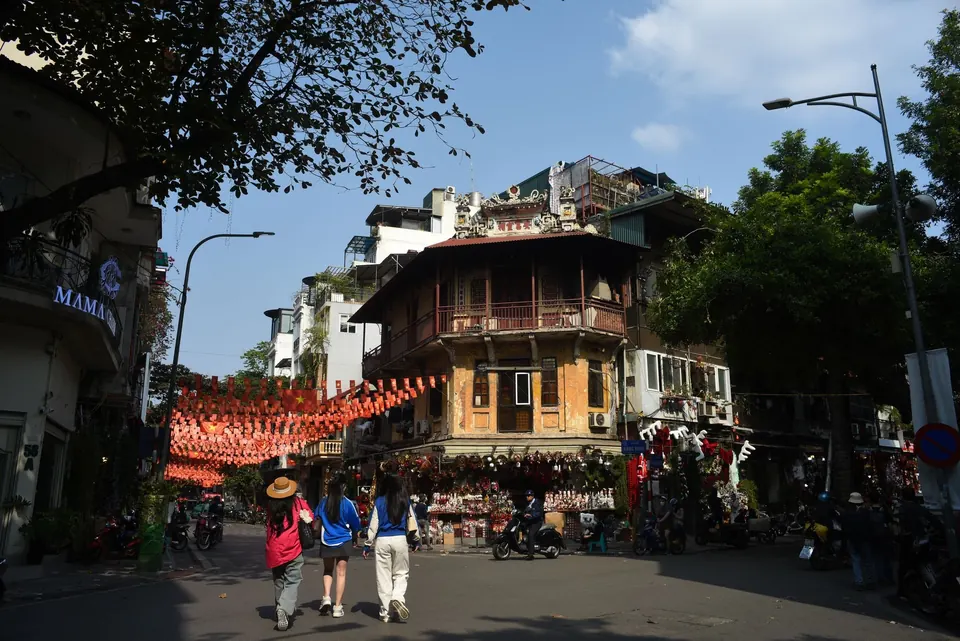
Will everything be shut? Tet 2027 falls on Saturday 6 February, with New Year's Eve on Friday 5 February. The official public-sector break runs from 4 to 10 February. Private employers choose one of three options within the legal minimum, and the government notice does not say which shops or services close. Many family businesses do close for some days around Tet, so book transport and rooms early and confirm opening hours. We found no source on how long any particular place will close, so we give no number of days.
The bay in February: cool and often misty
Is a night on the bay worth it? The nearest official reference is Hai Phong, with a February high of 20.9°C and a low of 15.8°C, though that is a city station and not a bay measurement. The tourism board lists December to March at Ha Long Bay as cool to cold, misty and cloudy. Our own bay guide calls January and February the mist months, with photos that are either the best of your trip or a grey boat ride, depending on luck. Cat Ba is often in fog or rain from December to February, which makes forest trails slippery but still doable. So a February night on the bay is a bet on the light: worth it if a cool, quiet, misty bay appeals, less so if you need clear views.
Our month-by-month guide to the bay has more. Catherine and Ambassador sail Ha Long Bay, while the small-boat overnight stays in Lan Ha Bay, so do not read one bay's page for the other.

Is February a good time to visit northern Vietnam?
It depends on what you want from the trip.
- A good fit: you want plum or peach blossom and can live with grey skies and drizzle.
- Harder: you need a clear view from the Fansipan summit, because fog may hide it.
- Harder: you want quiet hills over Tet, when they fill with Vietnamese travellers.
- Harder: you depend on small family restaurants that week, as many close for some days.
For packing, bring layers and shoes with grip: wet stone steps in winter are the slip hazard guests meet, our packing guide says, and some mountain rooms heat unevenly or not at all. That guide has the full list by season, and our best-time guide covers the other months.
If you would like a trip built around your dates, our Northern Vietnam, Slowly journey is tailor-made, with no fixed package price. We reply with a proposal and a number once we know your dates. Message us on WhatsApp +84 961 737 103 and tell us when you are travelling.
What we read for this guide
Station data from the national weather service, pages from Vietnam's tourism board, a government notice on the Tet holiday, an outlook from the national forecast service, and guides from tour companies and independent travellers, read this October and checked against each other. Rules, fees and prices change quickly, so check again close to your dates.
Hoang Anh, host at Rustic House
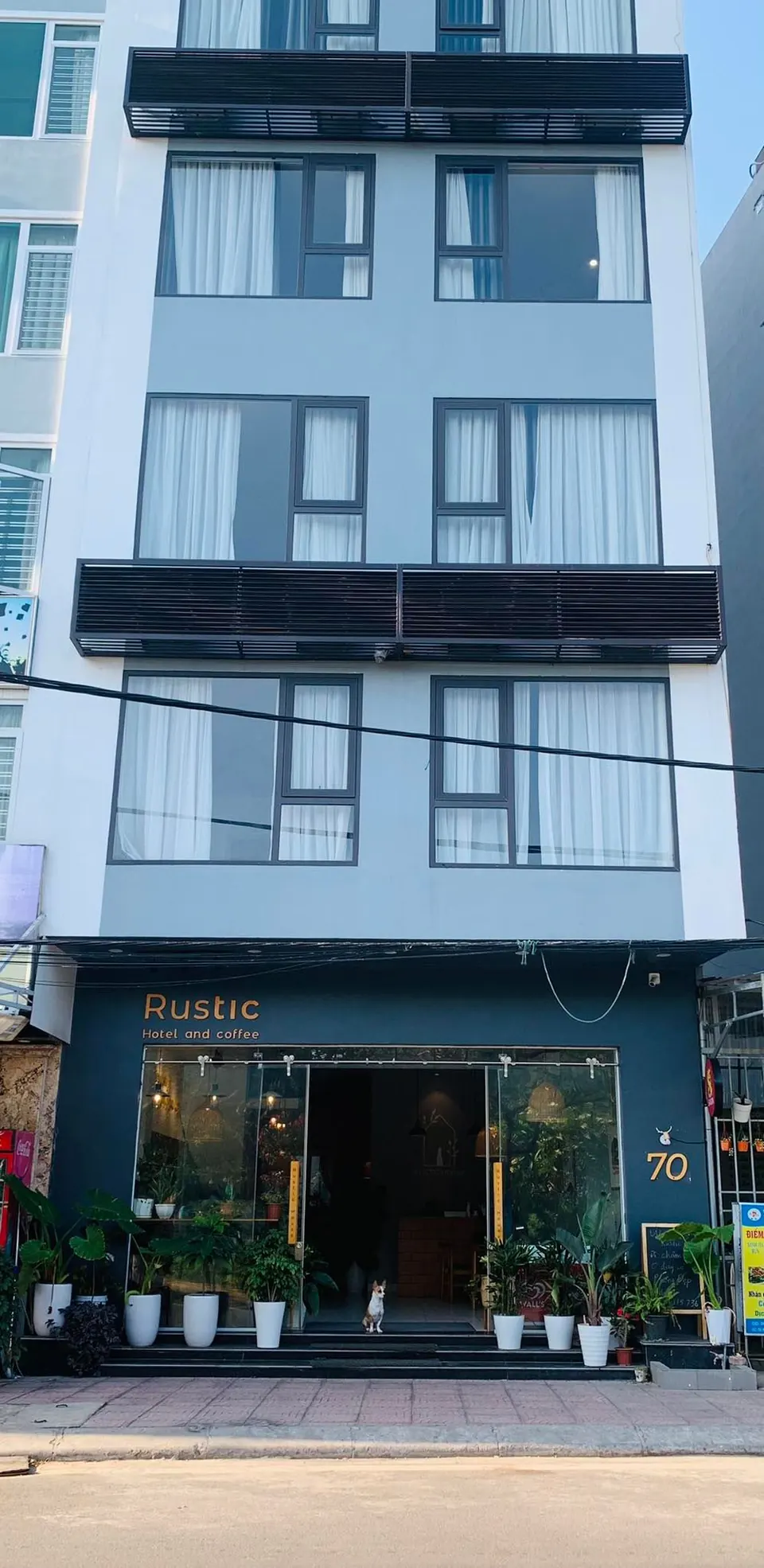
Written on Cat Ba, from Rustic House at 70 Tung Dinh. Questions about your own dates? Ask on WhatsApp.