What to pack for northern Vietnam: one bag for city, mountains and bay
One bag has to work in Hanoi, in the mountains and on a boat. What goes in it, month by month, and how cold the north really gets.
Hoang Anh, host at Rustic House · · Updated · 9 min read
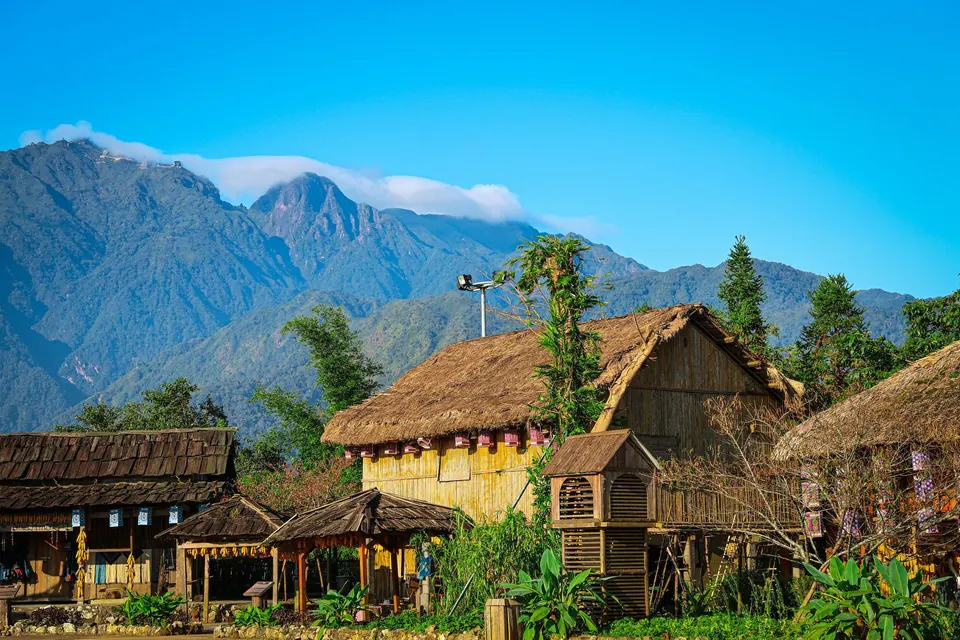
Photo: Haneul Trac on Pexels
The short answer
What to pack for northern Vietnam comes down to three or four thin layers, one real insulating piece for November to March, a light rain layer, quick-dry clothes and shoes with grip. Packing for northern Vietnam is a layers problem, not a shopping problem. And yes, winter is cold by evening: Hanoi's January nightly lows average 14.6°C at the WMO station, a long-term average, and the tourism board calls late December to March "surprisingly cold" with lows of 10 degrees. The mountains are colder still. A boat day still wants swimwear, a towel, sunscreen and a hat.
We are a family running a guesthouse on Cat Ba, and packing questions come up before early boats. We run boat and island days around Cat Ba, not tours in Sapa, Ha Giang or Ninh Binh, so those lines come from weather records and guides checked against each other.
One Sapa guide says not all hotels there have proper heating, so January and February evenings can be cold. When you book, ask whether the room has heating or extra blankets. The spare layer you planned for the pass earns its keep at dinner. Tet falls in late January or February and closes much of the country for a few days. It changes your plans more than your bag.
One bag, three places: what each stop asks of it
The same bag meets very different weather. These are long-term station averages where an official station exists, and plain description where it does not.
| Place | November to March | May to October |
|---|---|---|
| Hanoi | January: high 20.0°C, nightly low 14.6°C, WMO long-term averages | June high 33.8°C. July and August bring 300 and 335 mm of rain over 18 rain days each |
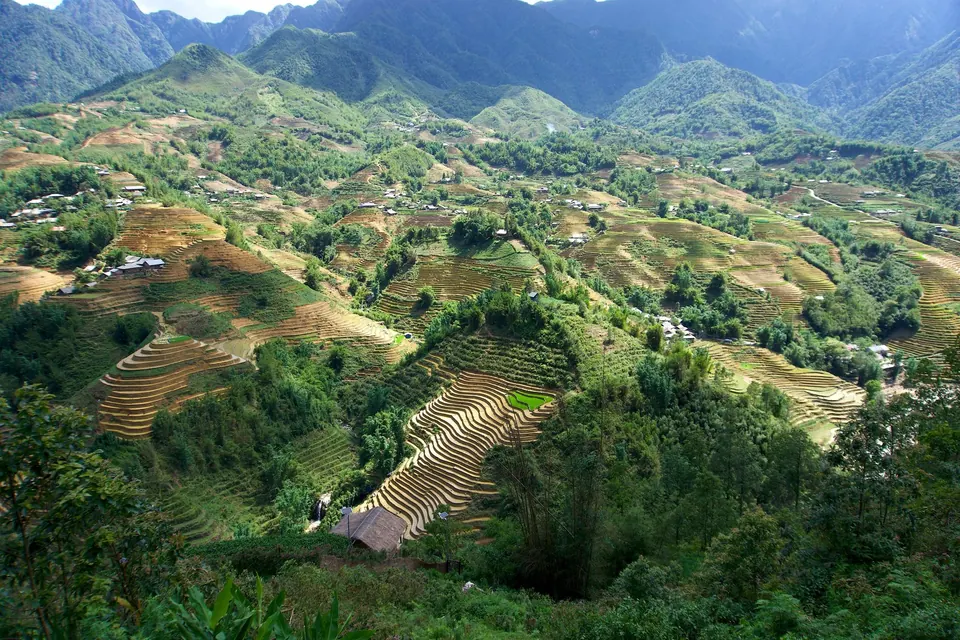
| Sapa and the mountains | Fog and mist are common in winter, and December to March is chilly. A Mai Chau guide says mountain temperatures drop noticeably after sunset. Lao Cai city, where the night train arrives, averages a January high of 20.2°C and low of 14.5°C, but Sapa sits much higher and is colder | June to August is stormy, warm and humid in Sapa. Ha Giang is very rainy from June to August, one guide says. There is no official station figure for these places |
| Ninh Binh | No official station figure | The wet season brings many mosquitoes and leeches |
| Cat Ba and the bay | Hai Phong city station, the nearest to the bay: January high 20.0°C, low 14.6°C. Cat Ba is often in fog or rain from December to February | Hai Phong June high 32.5°C, August 361 mm over 18 rain days. Storm risk on our coast peaks in July and August |
What to pack for northern Vietnam's cool months, November to March
Winter is real in Hanoi and stronger in the mountains. On the Ha Giang loop one guide suggests a heavy jacket, gloves and perhaps thermal underwear from November to March. A Fansipan cable-car guide asks for a woolen hat, gloves and scarves, and Sapa sees cold periods and sometimes snow. If you take the overnight train to Lao Cai, one blogger says the platform is cold on a winter morning, so keep a warm layer in your carry-on.
- One real insulating layer: a fleece or a light down jacket that packs to nothing in your bag.
- A warm hat, gloves and a scarf or buff. A Fansipan guide lists all three.
- Two or three thin tops to layer, rather than one thick jumper.
- Trousers you can walk in; one pair is enough if they dry fast.
- Socks worth wearing, and shoes with grip. A Sapa trekking guide also lists extra socks in case you get wet.
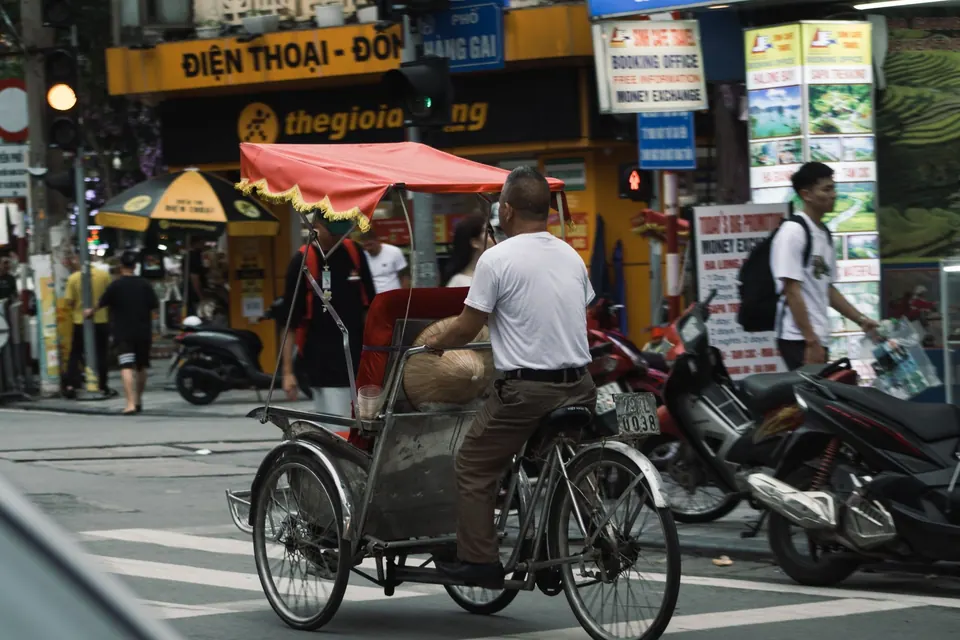
Northern Vietnam is walked: old quarter pavements, homestay stairs, boat ladders, forest roots. One pair of trainers with real grip covers almost all of it, sandals ride in the bag for hot evenings, and dedicated hiking boots are only worth their weight if you plan real mountain days. Paths turn muddy in cloud and rain, and one trail guide describes a Sapa path after rain as wet and slippery.
The hot, wet months, May to October
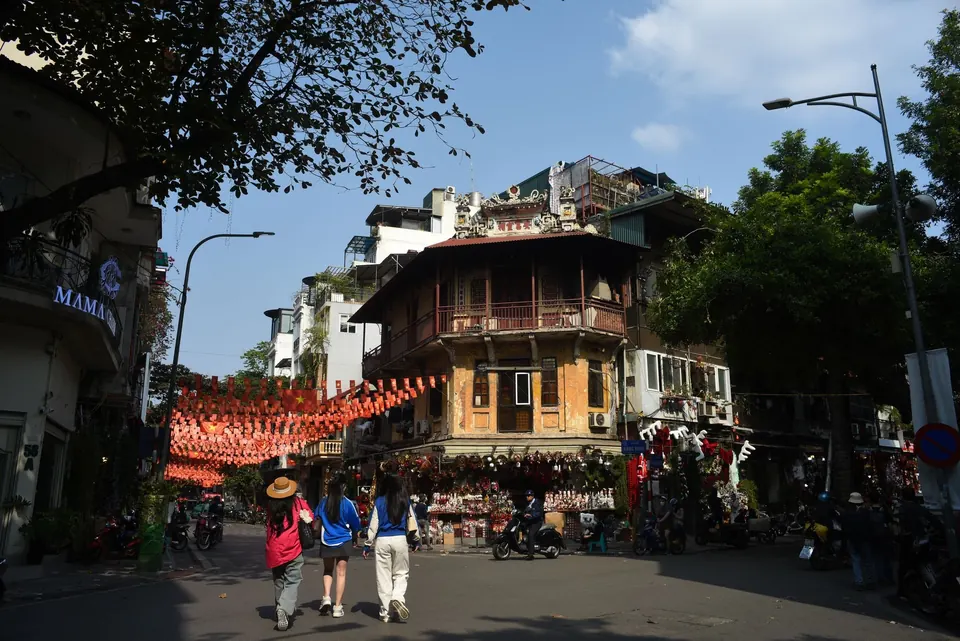
Hanoi's June high averages 33.8°C, and July and August bring 300 mm and 335 mm of rain over 18 rain days each. Sapa is stormy, warm and humid from June to August, and one Ha Giang guide says that season is very rainy, so pack spare socks and underwear. Pack for sweat and showers.
- Quick-dry shirts and shorts rather than cotton, which stays wet.
- A light rain jacket. A Sapa trekking guide lists a raincoat too. Our advice: a light rain jacket beats an umbrella on a boat deck or a mountain track.
- Insect repellent, plus long sleeves and trousers: a Ninh Binh guide recommends both against the many mosquitoes and leeches from May to October. A Sapa guide calls leeches a real problem, more active after rain. A Cat Ba guide says mosquitos show up fast in wetter months.
- A dry bag or a spare plastic bag for phones and passports on boat days. Our Lan Ha day asks for a dry bag for your phone.
Boats, caves and temples: Cat Ba, the bay and Ninh Binh
Boat days run on water, sun and wind. Our own pack lists are short. The Lan Ha Bay kayaking day asks for swimwear, a towel, sunscreen, a hat and a dry bag for your phone. The Ha Long day cruise asks for the same plus a light rain layer, and has one swim stop. The two day Cat Ba trip asks for shoes with grip, swimwear, a light rain layer and cash in small notes.
On the Lan Ha day the boat has covered deck space, so light rain does not stop it, and double kayaks, dry bags, life jackets, lunch, fruit and drinking water are included. Boats do not sail in unsafe seas, and the captain decides. In winter, our advice is to bring the insulating layer aboard too.

For the Cat Ba National Park hike, one writer wore decent hiking shoes and carried a rain poncho, a daypack, plenty of water, bug spray, sunscreen and a hat, and says tree cover is sporadic. A Cat Ba guide suggests sturdy sandals or water shoes for slippery rocks and misty trails. From December to February, Cat Ba guides say the island is often shrouded in fog or rain, and forest trails are slippery but still doable.
If you sleep aboard, one Ha Long cruise guide suggests walking shoes or hiking sandals, lightweight layers, a light jacket in the cooler months, and motion sickness medication if you are prone to seasickness.
Ninh Binh asks for a different kit. Trang An rowboats are open-air, and a Ninh Binh guide recommends a hat, sunscreen, sunglasses and drinking water. At the temples the signage asks visitors to cover shoulders and knees, and one guide suggests bringing a sarong.
Small things that earn their space
- Your own medicine. One Ha Giang writer says pharmacies are hard to find in rural areas, and lists a small first-aid kit.
- A small day bag. A Sapa trekking guide lists one.
- A refillable water bottle. Drinking water is included on our Lan Ha day, but you will want one for the rest.
- A power bank and the right plug adapter.
- Cash in small notes, tucked in two places. Our two day Cat Ba trip asks for small notes. The reason why lives in our guide to tipping and cash in northern Vietnam, and it is short.
- A phone photo of your passport, kept apart from the original.
The month you picked, briefly
One guide calls October to December the best window in Hanoi and says the city no longer feels like a steam room, and rainfall falls from 126 mm in October to 48 mm in November and 24 mm in December, though October is not rain-free. Our day trips list the best months as October to April for clear air and May to September for warm water. January and February are the bay's mist months, and fog is common in a Sapa winter.
If you want the honest calendar rather than the packing list, our guide to the best time to visit northern Vietnam and the month-by-month guide to Lan Ha Bay weather do that job, and our guide to Sapa without the crowds covers the mountains.
The bag that works here is built around mornings, nights and rain, and lets the afternoons take care of themselves.
When the packing question is really a route question, the two day Cat Ba trip asks for shoes with grip, swimwear, a light rain layer and cash in small notes. For a single boat day, the Lan Ha day lists swimwear, a towel, sunscreen, a hat and a dry bag for your phone. Message us on WhatsApp at +84 961 737 103 with your dates and we will tell you what the boat day needs.
What we read for this guide
Long-term station averages from the World Meteorological Organization for Hanoi, Hai Phong and Lao Cai, Vietnam's tourism board, independent travel blogs and tour company guides for Sapa, Ha Giang, Mai Chau, Ninh Binh, Ha Long and Cat Ba, and our own tour data. Weather, rules and prices change fast, so check close to your dates. If a detail is unclear, message us: we would rather say we do not know than guess.
Hoang Anh, host at Rustic House
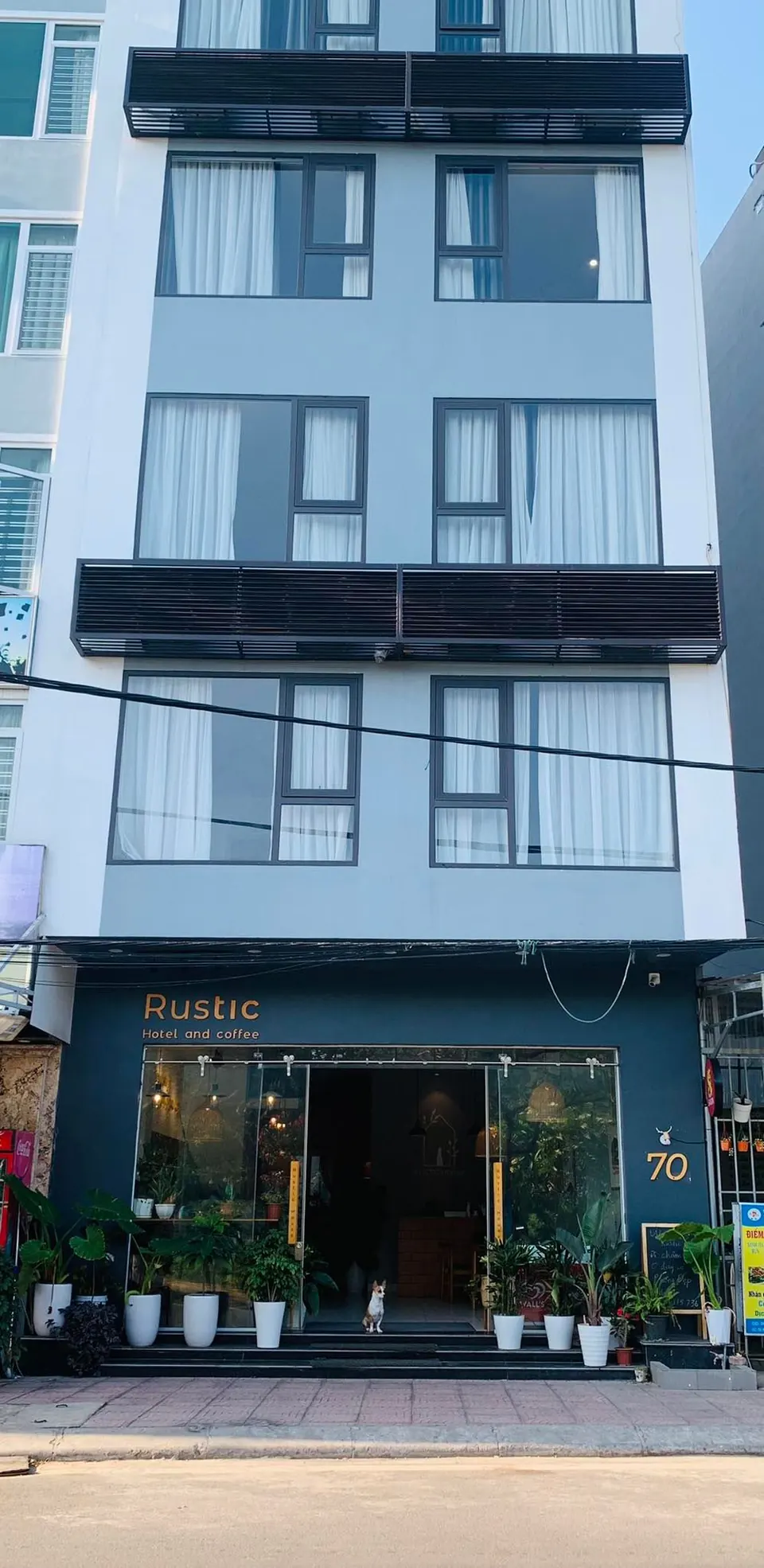
Written on Cat Ba, from Rustic House at 70 Tung Dinh. Questions about your own dates? Ask on WhatsApp.