Best time to visit northern Vietnam, region by region
Which season suits Hanoi, the bay, Sapa, Ha Giang, Pu Luong and Moc Chau, with official climate numbers and the places guides disagree.
Hoang Anh, host at Rustic House · · Updated · 7 min read
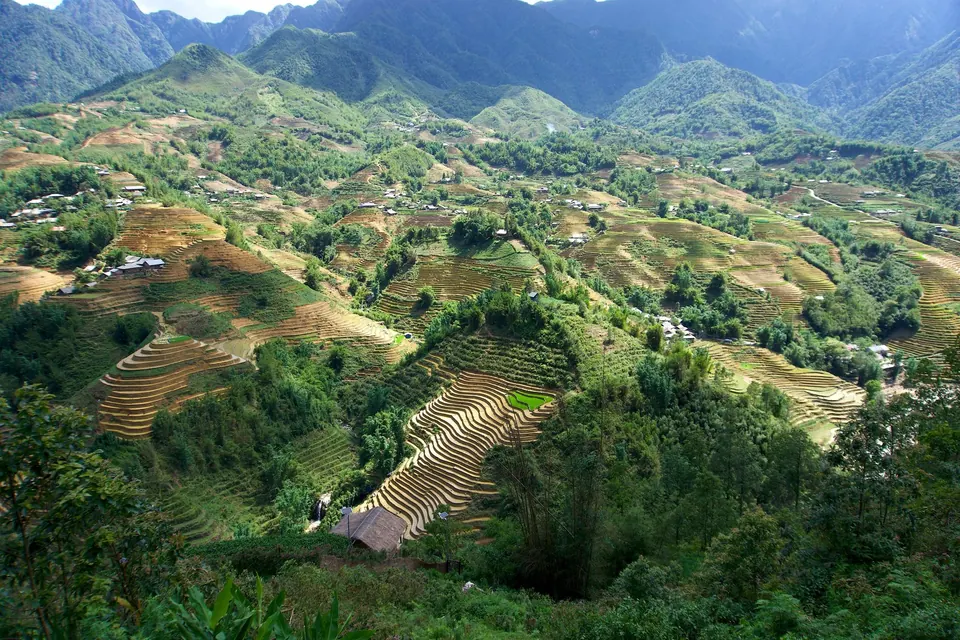
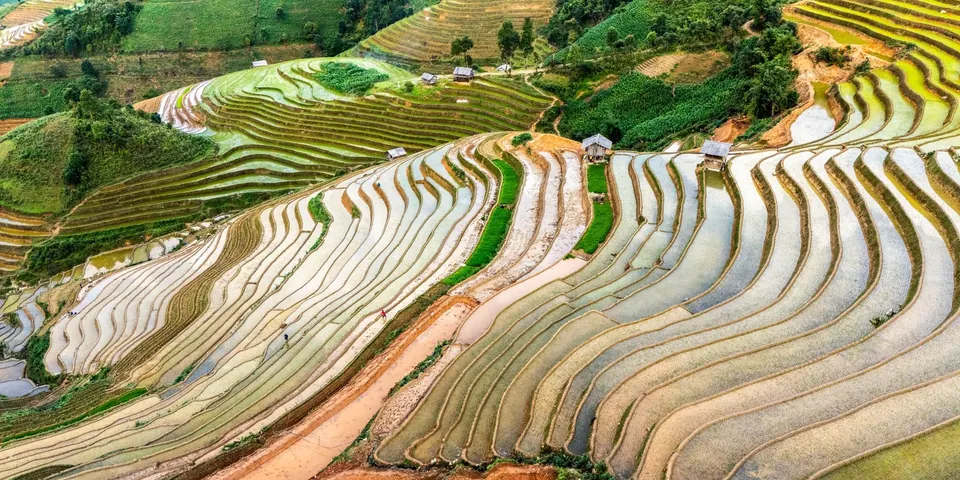
Photo: Duong Nguyen on Pexels
The short answer
Our pick for the best time to visit northern Vietnam is autumn, September to November, with April to June as the second window. Those are the two stretches Vietnam's national tourism site gives for both Hanoi and Ha Long Bay, and for Hanoi it runs on into December. The north is several climates at once, though. The month that suits the terraces is not always the month that suits the bay, so choose the month by what you want to see.
A single trip report only tells you about one month's weather, and your own month may turn out differently. We live on Cat Ba, not in the mountains, so instead of one person's month we set out every month below: official numbers for the lowlands, cross-checked guides for the mountains, and a note wherever they disagree.
Since July 2025 Vietnam has 34 provincial-level units. Ha Giang is now part of Tuyen Quang. Yen Bai, where Mu Cang Chai used to sit, is part of Lao Cai, which also holds Sapa. Hoa Binh is now part of Phu Tho. Moc Chau stays in Son La. Some booking sites still show the old names.
The best time to visit northern Vietnam, region by region
One grid, four seasons, with the month by month list right after it. Each cell is shorthand, and the sections below say where sources disagree. Dates move a little each year, so check close to your own.
| Region | Mar to May | Jun to Aug | Sep to Nov | Dec to Feb |
|---|---|---|---|---|
| Hanoi, Ninh Binh | Good from April | Hot, very wet | Cool, clear | Cool, cold nights |
| Ha Long and Lan Ha | Good from April | Storm risk | Good | See bay guide |
| Sapa | Flowers, water | No data | Gold, Sep-Oct | Cold, occasional snow |
| Ha Giang | Dry to April | Wet, avoid | Dry from October | Dry, can be very cold |
| Pu Luong | No data | Fullest late summer | Gold, early autumn | No data |
| Moc Chau | Tea from April | Tea to June | Mustard from October | Plum blossom, misty |
| Mu Cang Chai | Water in May | Water in June | Gold late September | No data |
We have no separate figures for Ninh Binh, so read the Hanoi row as a rough guide there. 'No data' means we do not give a figure for that cell, and we would rather say so than guess.
Month by month, in one line each
- January. Hanoi nights average 14.6°C, and the tourism board describes late December to March as surprisingly cold, with lows of 10 degrees. The odd snowfall in Sapa. Moc Chau plum blossom from late January.
- February. Hanoi averages 19 mm of rain. Plum blossom in Moc Chau. Tet moves each year.
- March. Ha Giang is still dry. Sapa is still cooler than the rest of the country.
- April. The Hanoi and bay window opens. Late April is Sapa's flower and clear-sky time. The Moc Chau tea flush begins.
- May. Terraces fill with water in Sapa and Mu Cang Chai.
- June. Hanoi's average high is 33.8°C. Mu Cang Chai terraces are still flooded. The tourism board lists June to August as the bay's stormy stretch; our own bay guide puts the storm risk mainly from July.
- July and August. Hanoi gets 300 mm in July and 335 mm in August, on about 18 rain days each. Strong wind and rough sea can close the bay's outer routes. Pu Luong fields fill towards late summer.
- September. The tourism board counts it as the start of Hanoi's cool, clear season. Gold in Sapa. Mu Cang Chai turns gold from late September.
- October. Early October gold in Sapa. Ha Giang's dry season starts. Moc Chau mustard flowers.
- November. Hanoi's average high is 26.3°C, with 48 mm of rain on about 7 days. Hai Phong has about 7 rain days too. Moc Chau mustard flowers.
- December. Hanoi gets 24 mm of rain and highs of 22.1°C. Sapa is much cooler than the rest of the country, most of all from late December. Ha Giang is dry but can get very cold. Moc Chau mustard flowers into December.
Pick the month by what you want to see
| You want | Look at | Keep in mind |
|---|---|---|
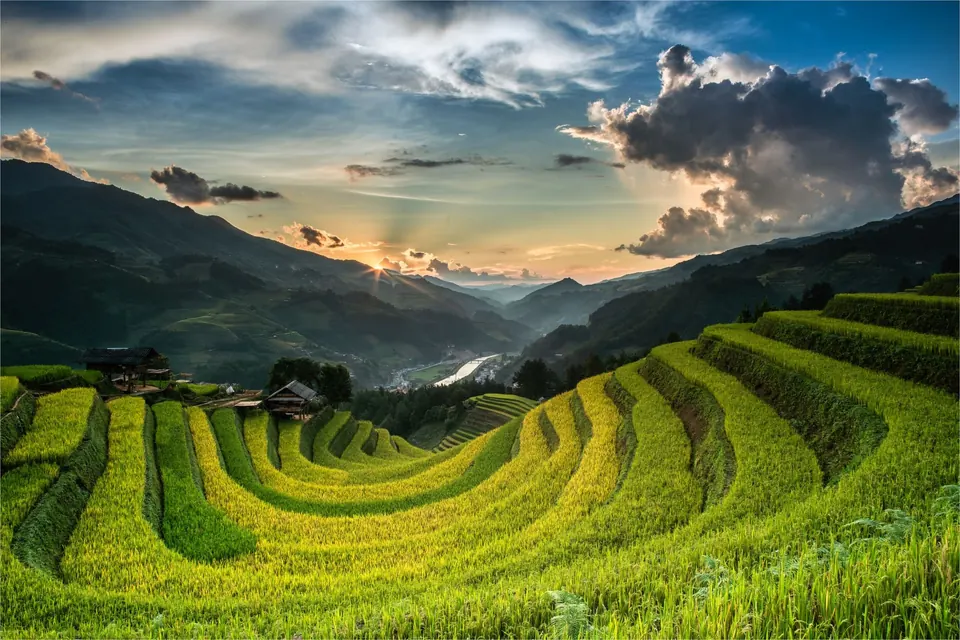
| Golden terraces | Sapa in September and October. Mu Cang Chai from late September into the first half of October. | Our harvest weeks guide for Mu Cang Chai goes into the timing. |
| Terraces full of water | Sapa around April and May. Mu Cang Chai in May and June. | Water season and gold season fall in different weeks, so pick one. |
| Clear, cool days | Hanoi from September to November. Sapa in late April. | Our packing guide by season has the list. |
| Blossom and tea | Moc Chau plum blossom from late January into February. Tea from April to June. Mustard flowers from October to December. | Our Moc Chau through the seasons guide covers the weeks. |
| Quieter weeks | Avoid the Mu Cang Chai harvest weekends in late September; we have no crowd figures for the rest of the north. | Tet moves each year and many services close for a few days, so book transport early. |
| Swimming | Our month-by-month guide to the bay covers the sea. | Sea and swim conditions are in that guide, so we keep them in one place. |
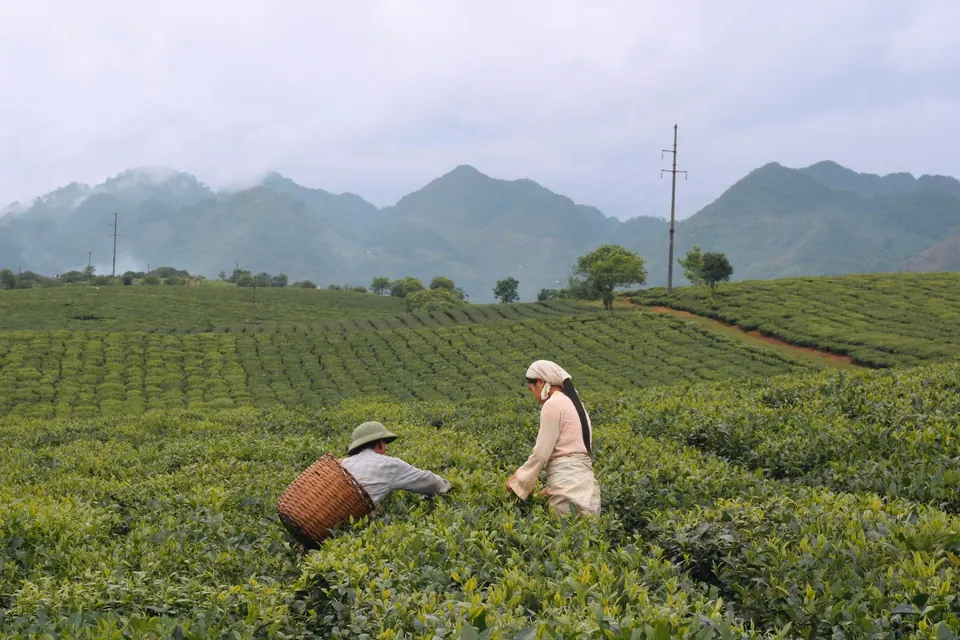
Moc Chau stays cooler than the lowlands at about 20 to 26 degrees Celsius from April to June. Winter there is cold and often misty.
Hanoi and the lowlands: what the official numbers say
Viet Nam's national weather service supplies the figures that the World Meteorological Organization publishes for 1991 to 2020. In Hanoi, the average daily high is 20.0°C in January, 29.6°C in October, 26.3°C in November, 22.1°C in December and 33.8°C in June. The average night low is 14.6°C in January. The tourism board adds that late December to March can feel surprisingly cold, with lows of 10 degrees.
Rain is the bigger split. Hanoi averages 24 mm in December and 48 mm in November, against 300 mm in July and 335 mm in August. November and December each bring about 7 rain days, July and August about 18. Hai Phong, the weather station nearest the bay, points the same way: 21 mm in February and 361 mm in August. These are city stations, not mountain ones, so treat them as a guide to the lowlands only. Lao Cai city has its own weather station, but its figures are for the city, not for Sapa, so we do not use them for mountain temperatures.
Where the sources disagree
- Sapa's golden weeks. The tourism board puts the gold in early October, just before the harvest, and other guides say September and October. One personal blog we read gave a different calendar. We use the first two.
- Moc Chau blossom. One guide puts plum blossom in late January to mid February, another stretches it from January to March. We say late January into February.
- Ha Giang's wet months. One guide says May to September, another June to August. We say roughly May to September.
- Pu Luong terraces. One guide gives August to September for the fullest fields and, further down, September to October for the gold. We say late summer into early autumn.
- Hanoi's cold. The tourism board's 'lows of 10 degrees' does not say how it is measured, and the weather service's 14.6°C is a January average of nightly lows, so the two figures need not conflict.
Summer, storms and the bay
June to August is the stormy, hot, humid stretch for Ha Long Bay, and the tourism board says tropical storms can sometimes cause cruise cancellations. That fits our own bay guide: in July, August and early September, strong wind and rough sea close the outer routes a few times a month, usually with a day or two of warning. The month-by-month detail is in Lan Ha Bay weather, month by month, so we do not repeat it here.
Putting several regions into one trip
The official windows for Hanoi and the bay overlap in April to June and September to November. The tourism board's lovelier times for Sapa, late April and early October, both sit inside those windows.
Our slow journey through the north is built around your dates: Hanoi, the river at Ninh Binh, then slow days on Cat Ba and Lan Ha Bay. It runs from 5 to 10 days, and ten adds Sapa or the Ha Giang Loop before the coast. If storms close the bay in July or August, we tell you early and move the night rather than sail into bad weather, and you decide whether the new date works. Tell us your dates first and we confirm availability day by day.
Quick answers
- Hanoi, Sapa and the bay in one trip. Late April and early October fall inside the official windows for all three.
- The bay in July. The tourism board lists June to August as stormy and says storms can sometimes cause cruise cancellations. If storms close the bay, we tell you early and move the night rather than sail into bad weather, and you decide whether the new date works.
- Tet. It falls in late January or February and moves each year. Many shops and services close for a few days, so book transport early.
- Autumn or spring. Both work for Hanoi and the bay; we lean to September to November, when Hanoi is cool with clear skies.
- Golden terraces. Sapa in September and October, Mu Cang Chai from late September into the first half of October. The weeks move each year.
- Sapa and Ha Giang in winter. Northern highland destinations such as Sapa are much cooler than the rest of the country, most of all from late December to March, with the odd snowfall in January. Ha Giang is dry then, but December and January can get very cold. Our packing guide by season has the list.
What we read for this guide
The climate figures come from Viet Nam's national weather service, as published through the World Meteorological Organization, and from the national tourism board. We set regional travel guides and independent trip reports beside them, and flagged each place they disagree. Dates for blossom and harvest move every year, so check close to your own, and message us if a detail looks off.
Hoang Anh, host at Rustic House
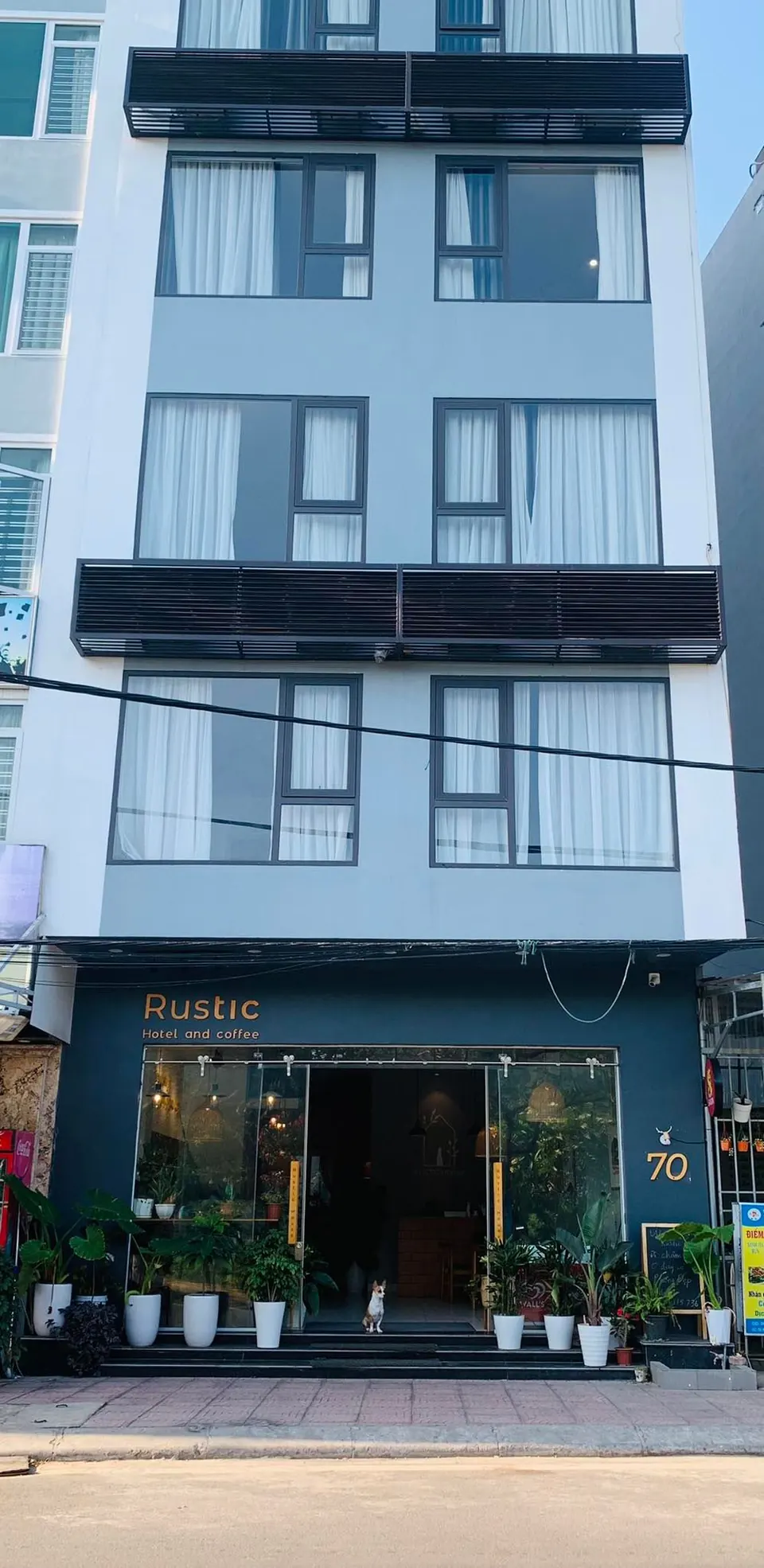
Written on Cat Ba, from Rustic House at 70 Tung Dinh. Questions about your own dates? Ask on WhatsApp.