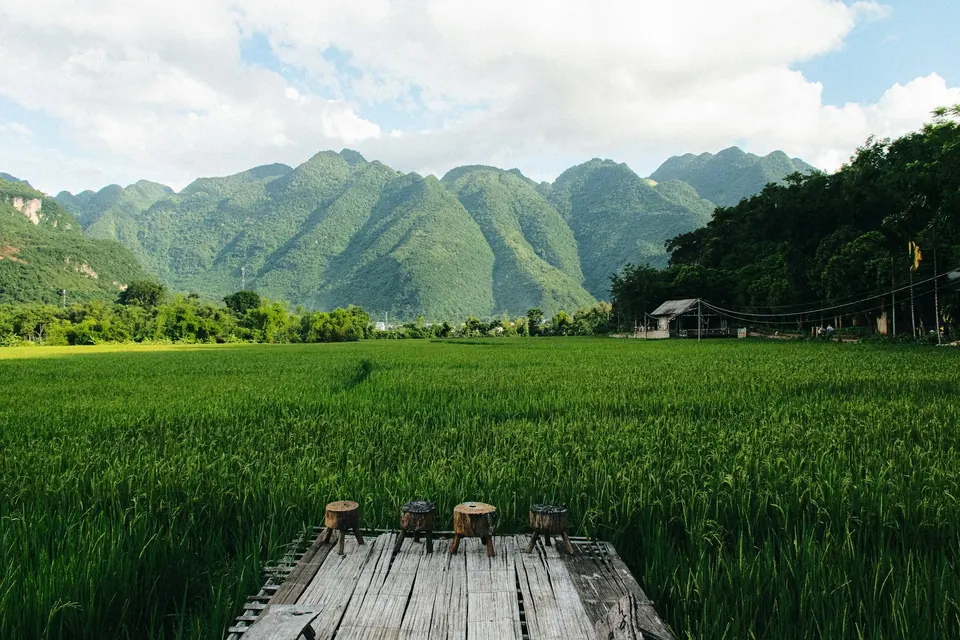
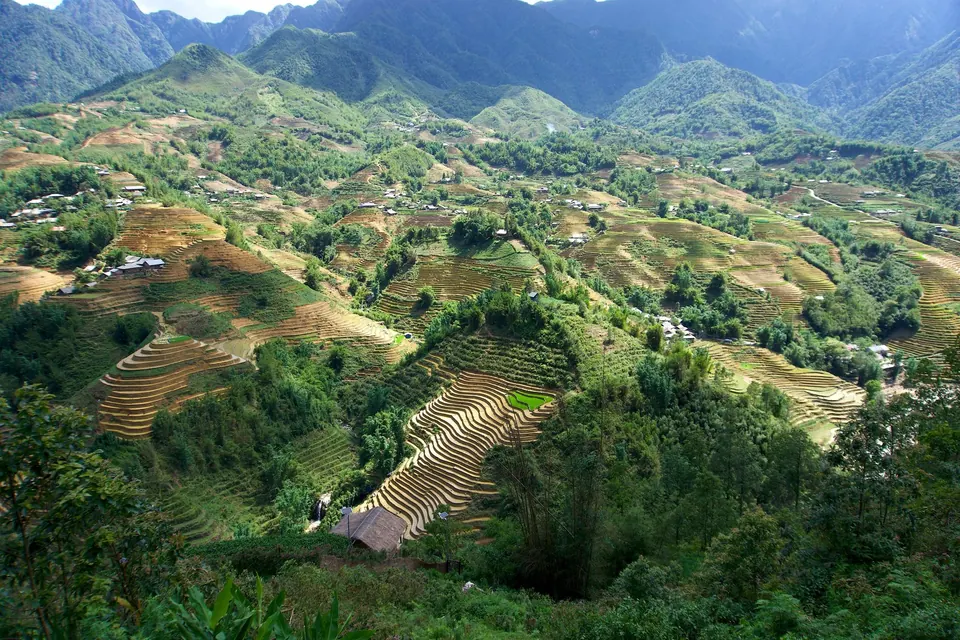
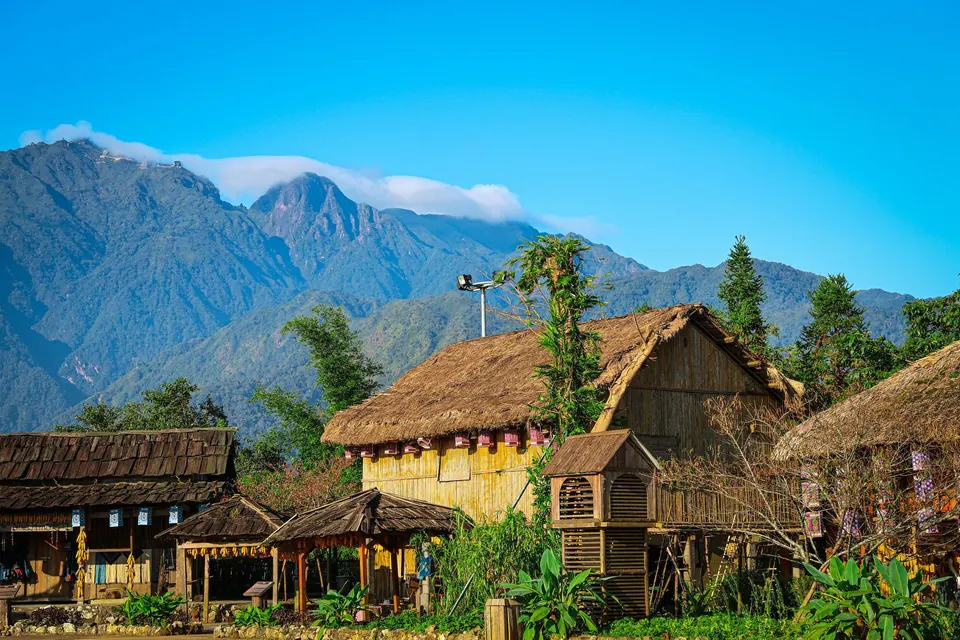
Moc Chau through the seasons: blossom months, tea hills and the road from Hanoi
When the mustard and plum flowers come, what the plateau offers if you miss them, and the road from Hanoi. Guides disagree on the blossom weeks, and we say where.
Hoang Anh, host at Rustic House · · Updated · 8 min read
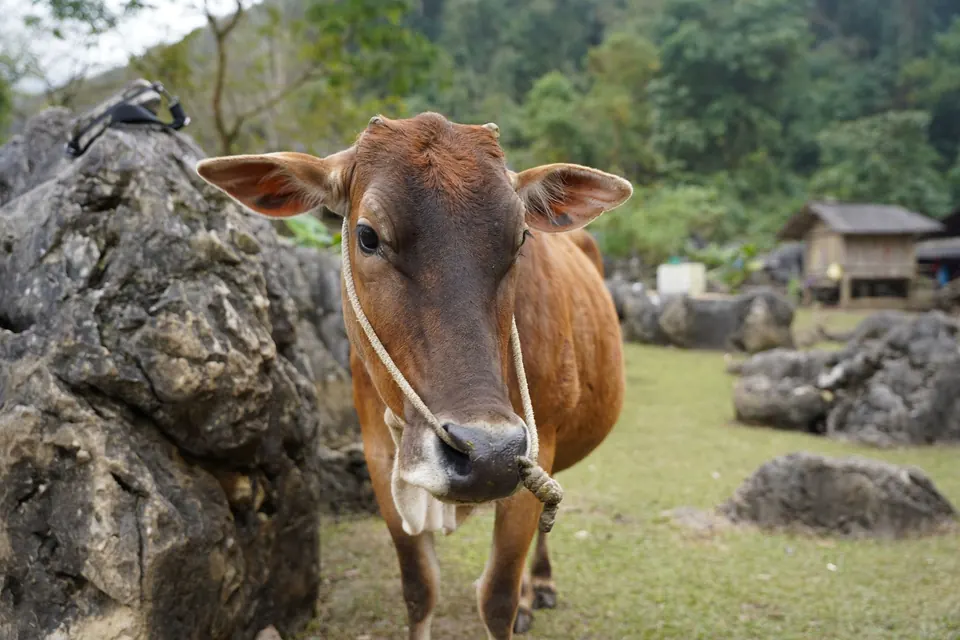
Photo: Viet Hang Pham on Pexels
The short answer
Moc Chau through the seasons comes down to one point: guides say the plateau suits a visit in any season, so a missed flower is not a reason to skip it. One tea guide puts it at about 1,050 metres (a tour company says over 1,000), roughly 200 kilometres north-west of Hanoi, and it is known for tea hills and dairy. One tea guide gives white mustard flowers in the valleys from October to December. Plum blossom is harder to pin down: guides disagree and the weeks shift each year, so plan for late January into February and check the blossom news the week before you book. Two days is the short first visit, and guides also suggest three days and two nights.
We are a family on Cat Ba, at the other end of the north, and we do not run trips in Moc Chau. This page reads three guides to the plateau side by side, plus Vietnam's government portal for the map changes. Where they disagree, mostly about the blossom weeks, we say so.
Map changes, so nothing surprises you. Moc Chau district became Moc Chau town on 1 February 2025 under Resolution 1280/NQ-UBTVQH15, with 8 wards and 7 communes, and it is still in Son La province. The same resolution merged Tan Lap and Tan Hop communes into a new Tan Yen commune. Vietnam went from 63 to 34 provincial units on 12 June 2025, and Son La was one of the 11 that kept its name. Since 1 July 2025 the district level has gone.
Moc Chau plateau seasons, month by month
What you look at changes with the months, but the plateau is never out of season. One guide says there is no single best time to visit, and a tour company says the cool climate suits travel throughout the year.
| Months | What you see | Who says so |
|---|---|---|
| Oct-Dec | White mustard flowers in the valleys, with dry, crisp weather. | One tea guide |
| Jan-Feb | The plum blossom window, but guides give late January to mid February, January to March, or only spring. | Three guides, three answers |
| Apr-Jun | The tea flush, with the hills at their lushest. Summer temperatures sit around 20 to 26 degrees Celsius while Hanoi bakes. | Two guides on the months, one on the temperatures |
| Autumn | Rice turning gold in the valleys, says one tour company; we have no reliable weeks for it, so we give none. | One tour company |
| Winter | Cold and often misty, with temperatures dropping at night and in the early morning, so bring warmer layers. | One guide |
| Year round | Guides say the plateau suits a visit in any season, with tea hills, dairy and the Ban Ang pine forest to see. | Several guides |
Moc Chau gets busy at weekends, on public holidays and in the flower seasons, so guides say to book ahead around the Lunar New Year. For what to wear, see our notes on what to pack for northern Vietnam by season, and for the wider picture our region-by-region guide to the best time to visit.
Come for the plateau, not only for the flowers. Guides say it suits a visit in any season; the blossom keeps its own calendar.
If you miss the blossom: the tea hills and what they make
One tea guide dates concentrated tea growing on the plateau to 1958, when military farms first planted the slopes. The same guide says Shan Tuyet is the native large leaf mountain tea, grown here the longest. Oolong, adapted from Taiwanese stock, grows between roughly 1,000 and 1,200 metres.
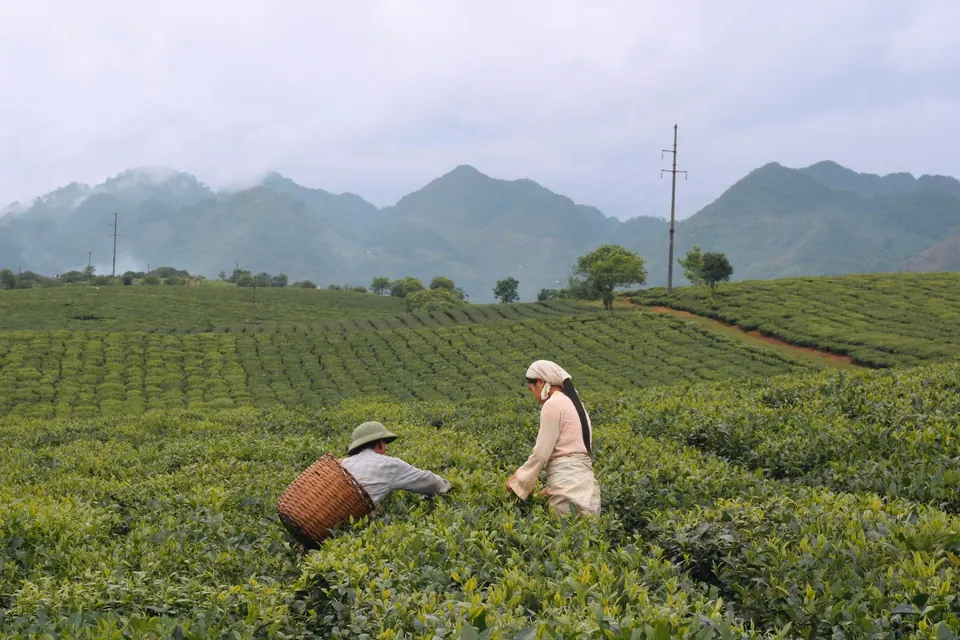
The postcard hill is the Heart Tea Hill, about 10 kilometres from the town centre, where the tea rows curve into a heart. Entry is free, and early morning is the time to come, with soft light and the tour groups not yet there. Stalls at the entrance rent ethnic costumes and props for photos. That is part of the place now, and worth knowing before you arrive. The access road has at times been under repair and dusty, so the same guide suggests a motorbike or small car rather than a large vehicle.
For a calmer sweep of tea, the Moc Suong estate sits roughly 15 kilometres from the town centre, in what was Tan Lap commune, now part of Tan Yen commune on official maps. The guide says you can pick alongside farmers, follow the leaf into the processing facility and sit in on tea ceremonies, and on a working day you may see harvesting. At an estate shop you can taste the tea before you buy, and the guide says mid-range oolong sells at source for well below its international price.
Moc Chau through the seasons: plum blossom, mustard flowers and where to look
Plum blossom is the event that draws the crowds. One guide gives the bloom from late January to mid February. Another stretches the flower season across January to March and folds the peach in. A third says only spring, and warns that the weeks shift with the weather every year. Read side by side, the honest version is this: plan for late January into February, then check the blossom news the week before you book. The white blossom is the reason many Vietnamese travellers come, so book ahead around the Lunar New Year.
One guide calls Na Ka valley one of the most famous places to see the plum blossom, a valley that turns white when the flowers open. The mustard flowers have their own run, October to December by one tea guide's count. Beyond the headline sights there are quieter corners, and our guide to quieter corners of the north has more of them.
- Ban Ang pine forest: tall pines around a peaceful lake, good for a leisurely walk or light cycling, with cafes nearby.
- Hang Tau: one guide describes a small, quiet valley surrounded by limestone mountains, far from modern conveniences. Go for the silence, not for services.
- Pa Phach: a traditional mountain village with seasonal flowers, more peaceful than the main sights, says the same guide.
- Dai Yem waterfall: a tour company says it is most beautiful in the rainy season, when the water flows over several tiers, and that the walk is gentle.
Moc Chau from Hanoi: the road, the pass and getting around
The road from Hanoi is given as 180 to 204 kilometres depending on the route and where it is measured, so call it 200, and by bus, limousine or car it takes four to five hours. It runs out of the city on National Highway 6, over the Thung Khe Pass and through Van Ho into Moc Chau. The pass is the part that deserves respect, because fog or rain there can add 30 to 60 minutes.
| How you go | What the guides say |
|---|---|
| Bus or limousine van | Both run the route through the day. A limousine van may leave you needing a local taxi from the drop-off point to your hotel. |
| Private car | The most comfortable choice, and it lets you stop at the pass viewpoints. |
| Motorbike | Around six hours, one guide says, and for experienced riders only, because the pass sections demand care, especially in mist. A tour company adds that self-driving is not recommended without local expertise. |
Once you are up there, the sights are spread across the plateau, so without your own vehicle, a taxi or a tour it is hard to link many in a day. Mai Chau lies on the same road west, and we cover it in Mai Chau or Pu Luong: two quiet valleys.
What ends up on the table
Moc Chau is one of Vietnam's best-known dairy regions, one guide says. Fresh milk, yoghurt and milk cakes are sold across the plateau and are popular souvenirs, and the cool climate supports the dairy farming. The mountain kitchen does the rest. Be chao, crispy fried veal, is one of the most famous dishes. Small stream fish are often grilled or fried. Free range mountain chicken has firm, flavourful meat, and meals often include mountain vegetables.
After the plateau, the coast
Moc Chau lies north-west of Hanoi and our island east of it, so Hanoi is where the two trips meet. Hanoi to Cat Ba is about 160 to 170 kilometres, and 4 to 5 hours door to door with pickups. A morning bus keeps the afternoon on the island.
We do not run a Moc Chau leg. What we build is Hanoi, the river at Ninh Binh, then the slow days on Cat Ba and Lan Ha Bay, five to ten days, with a proposal once we know your dates. For now we only build routes we have hosted ourselves. If the bay is the part you want, our 2D1N Cat Ba and Lan Ha combo is $119 per person, and Celina of the Sea starts from $165 per guest sharing a cabin for 2 days 1 night. Message us on WhatsApp +84 961 737 103.
What we read for this guide
We read a tea writer's guide to the plateau, a Hanoi tour operator's guide, a general travel guide to the region, and Vietnam's government portal for the 2025 administrative changes. Blossom weeks, road conditions and fares change fast on the plateau, so treat every month here as a starting point and check again close to your dates. If a detail matters to your trip, message us: if we don't know, we will say so and find out.
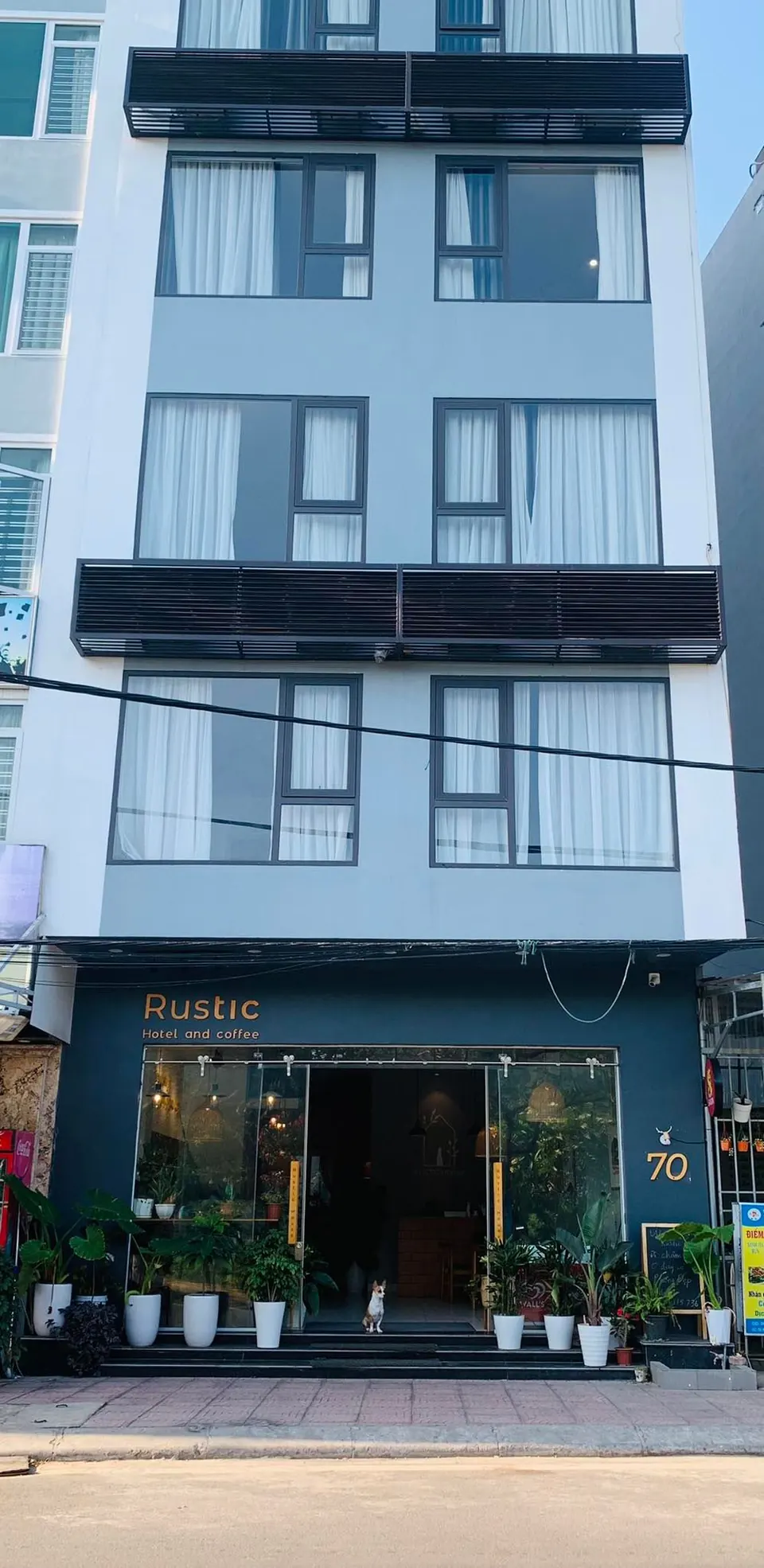
Hoang Anh, host at Rustic House
Written on Cat Ba, from Rustic House at 70 Tung Dinh. Questions about your own dates? Ask on WhatsApp.