Sapa homestay or hotel: valley nights, town comfort, or one of each
A Sapa homestay in the valley is what the long trip is for, and a town hotel is the easier base. What each night gives you, and why one of each often works.
Hoang Anh, host at Rustic House · · Updated · 6 min read
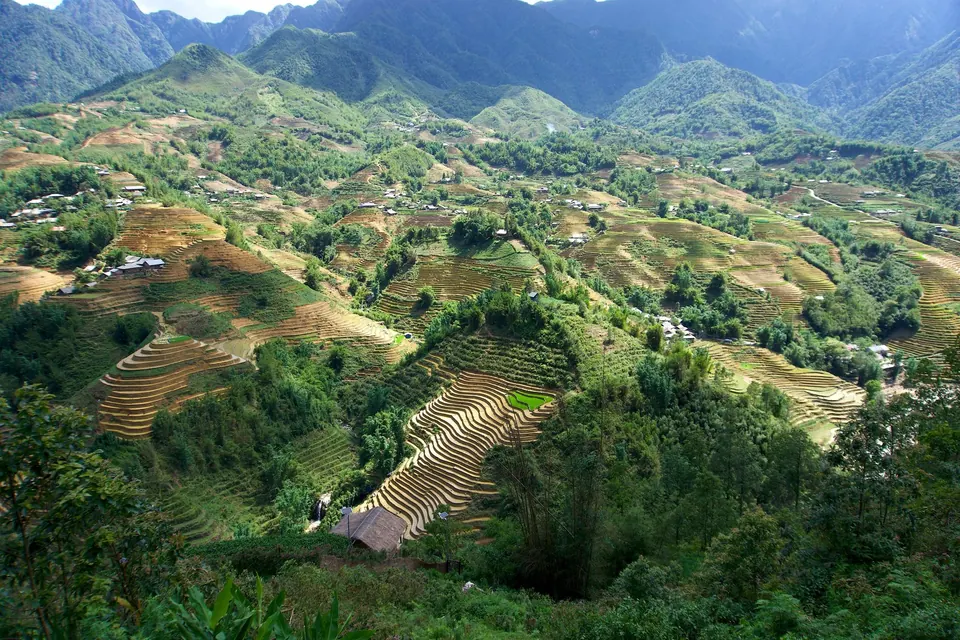
Photo: Duong Nguyen on Pexels
The short answer
Sapa homestay or hotel? Book one night in a Sapa homestay in the valley, and let the town do the rest. One guide says a morning trek, a night in a valley homestay and a clear view across the fields at dawn are what make the long trip worthwhile, a world away from the car parks in town. Two nights is the sensible minimum in Sapa by one guide, so one night of each fits. Winter changes the answer: not all Sapa hotels have proper heating, and winter is cold and often thick with cloud. On a grey week, choose the bed for warmth.
A note on who is writing: we are a family on Cat Ba, at the other end of the north, and we do not run guesthouses or treks in Sapa. This guide is compiled from independent travel blogs, tour company guides and a train guide, read and checked against each other. Where they disagree, we say so.
Not all Sapa hotels have proper heating, so you may be cold in the evenings in January and February. Winter is cold and often thick with cloud. Ask any place you book what it does about heating. For the winter detail, read our guide to Sapa in December.
What a Sapa homestay night is actually like
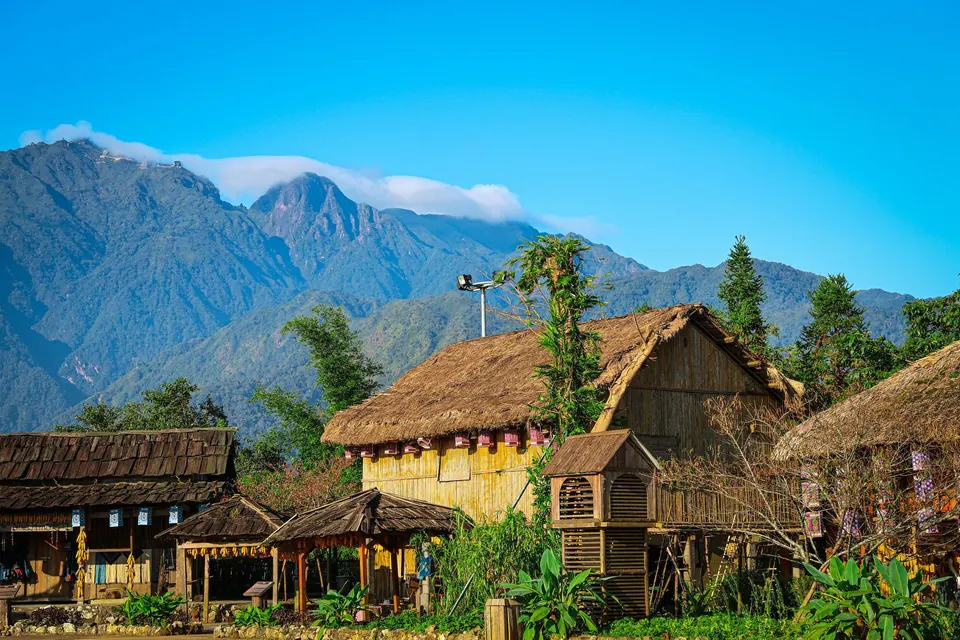
One blog puts a Muong Hoa valley homestay about 15 to 20 minutes from Sapa town. One writer describes a bungalow-style homestay tucked into the rice fields. One guide names a clear view across the fields at dawn as the payoff.
The culture is half the point. The villages are home to Hmong, Red Dao and Tay families. One tour company says staying overnight in a family homestay, and seeing the weaving and indigo dyeing, gives the trip a depth the views alone do not. Buy directly from the people who made things, and go as a guest rather than an audience. A good local guide, ideally from one of the hill tribe communities, turns a walk into one you understand.
Rooms vary. On one guided trek in 2018, the group slept in a shared community building with four other guests, each with a mosquito net and a private sleeping area. That is one example, not a rule, so ask what your room is before you book.
Four questions to ask before you book a homestay
- Is the room private or shared?
- What is there for the cold, such as heating or extra blankets, if you come in winter?
- Is dinner included, and who cooks it?
- How do you get down to the village, and how do you get back to town?
What a Sapa hotel in town gets you
The town is not a compromise so much as a different holiday. It is where the hotels are, and where the construction is. One guide says Sapa town has grown fast and can feel busy and half-built.
Sapa has no train station. The overnight train ends at Lao Cai, 38 km away, and the last hour up is by minibus or taxi. That last hour winds whichever way you come. The train reaches Lao Cai around 5:30 in the morning, while most Sapa hotels allow check-in only from 2:00 pm, so plan your first morning.
July and August are the most popular months in Sapa, and the summer season is popular with domestic tourists.
Sapa homestay or hotel, side by side
| Choose | It suits | The trade |
|---|---|---|
| Valley homestay | Walkers, and anyone who came for the villages as much as the views. | Rooms vary, so ask. One blog puts one valley homestay about 15 to 20 minutes from town. |
| Town hotel | Anyone who wants the town as a base, where the hotels are. | Busy and half-built, by one guide's account. Early train, late check-in: plan the first morning. |
| One of each | Two nights is the sensible minimum by one guide. Trek into the valley, return to town. | Take a small bag for the valley night. |
| Winter dates (December to February) | Anyone whose dates are fixed in the cold months. Choose the bed for warmth and ask about heating. | Cold and often thick with cloud, so the view is not guaranteed. |
Which valley village for your homestay
You do not need to choose perfectly, because the villages sit close together. They are linked by trekking routes, from gentle half-day walks to longer treks with a homestay night. One blog says the main valley villages all have homestays and are easy to walk between.
- Lao Chai, a Hmong village, is the closest valley village to Sapa and to Cat Cat. One guide says that makes it feel more visited than the others.
- Ta Van is mainly Giay people.
- Ta Phin is a Red Dao village known for its herbal baths, a treat after a long walk.
Pick by the trek you want rather than the room.
The town gives you Sapa with your boots off. The valley gives you Sapa with your boots on. A good trip finds room for both nights.
When the season changes the answer
The rice terraces change colour through the year, and guides disagree on when they are gold. Two guides put the golden harvest in September and October, while a third puts the gold in July and August. One trekker who walked in late October found most of the harvest already collected and the paddies waterlogged.
Winter is cold and often thick with cloud, and one guide calls the mountaintop disappointing when it is foggy. For winter in more detail, see our guide to Sapa in December, and for what to put in the bag, read what to pack for northern Vietnam by season.
One small booking note. Lao Cai province now includes the old Yen Bai, so booking sites and bus operators may show either name.
Getting up there, and on to Cat Ba
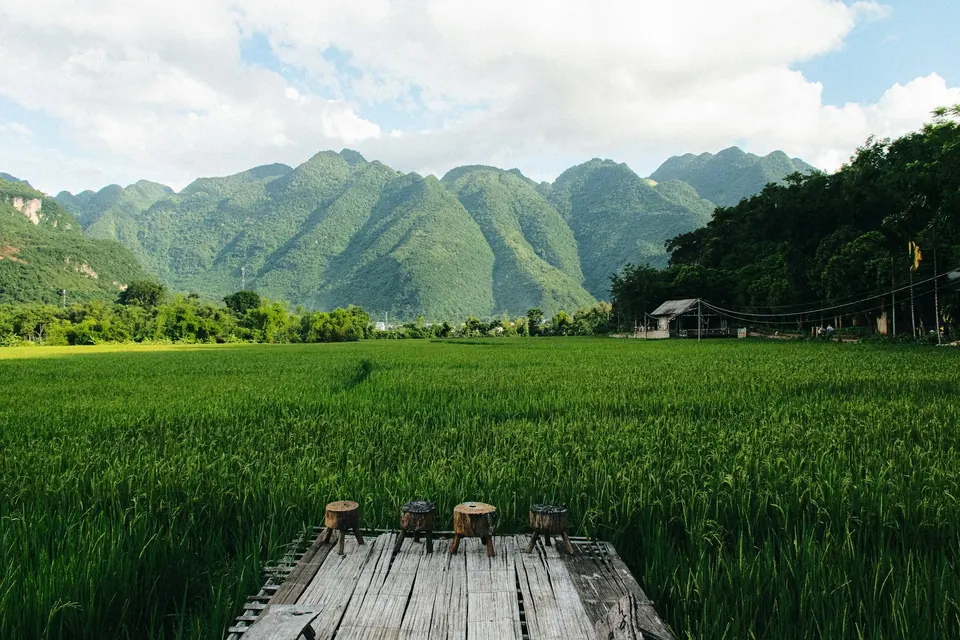
Sapa sits at over 1,500 m. A direct sleeper bus takes about five and a half to six and a half hours, and guides disagree on the exact time. Our guide to Sapa without the crowds covers the timing and the valleys in more detail. If you liked this question, our guide to the two valleys south-west of Hanoi, Mai Chau or Pu Luong, asks the same thing of the stilt-house nights there.
When the mountains are done, we can take you to the coast. Our Sapa to Cat Ba sleeper takes about 9 to 11 hours, and a night bus out of Sapa reaches Cat Ba the next morning. Every route goes through Hanoi, and someone meets you at the changeover. Message us on WhatsApp at +84 961 737 103 with your dates and we will plan the way back to Cat Ba.
What we read for this guide
Independent travel blogs, tour company guides and a train guide on Sapa and its valley villages, read this autumn and checked against each other. Rules, fees and prices change fast. Rooms vary from one homestay to the next, so treat this as a way to choose the kind of night, then ask us close to your dates. If we do not know, we will say so.
Hoang Anh, host at Rustic House
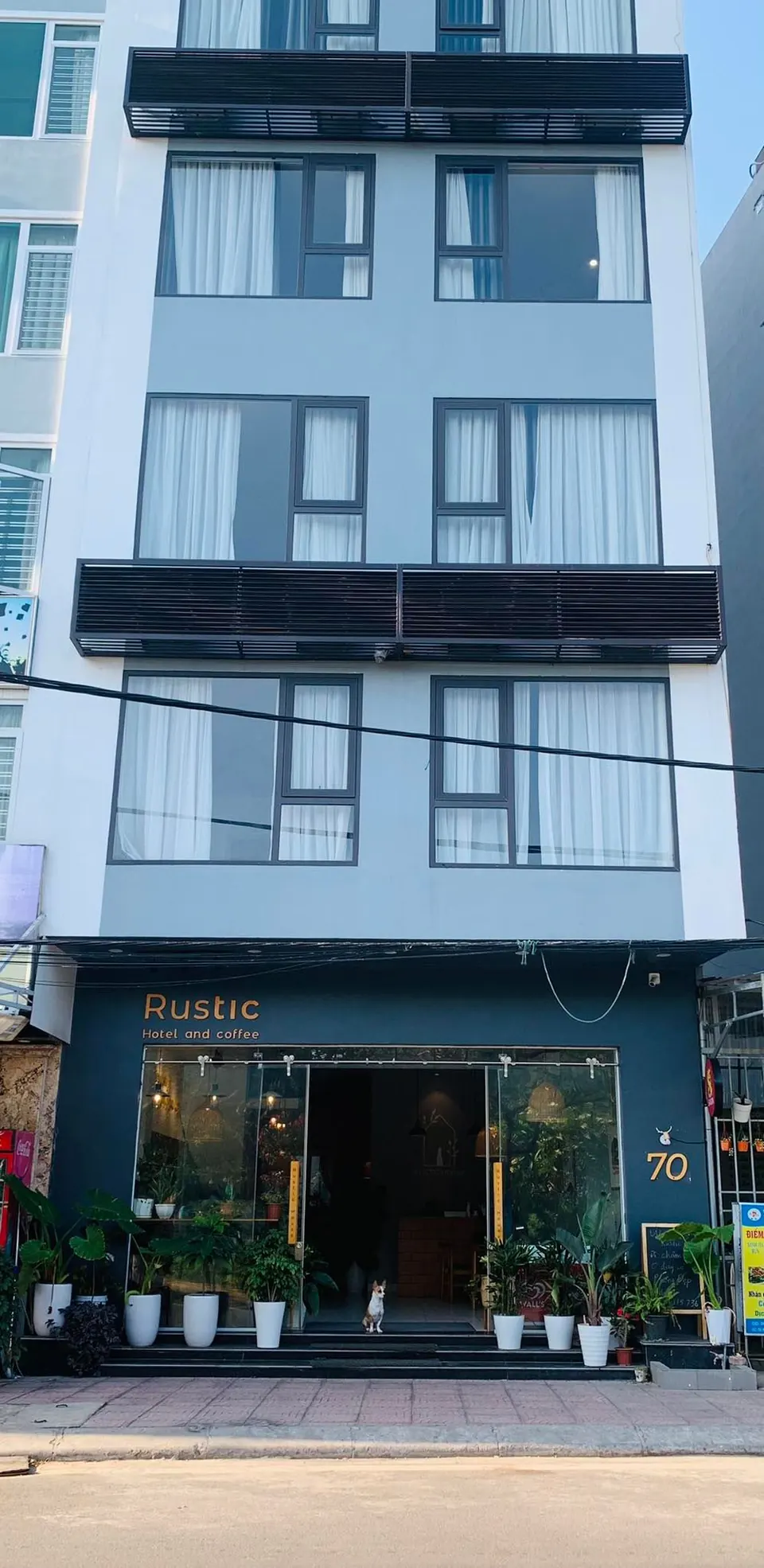
Written on Cat Ba, from Rustic House at 70 Tung Dinh. Questions about your own dates? Ask on WhatsApp.