Sapa without the crowds: valleys, villages and the way up
Sapa is worth the long road, but the town is not the point. Where the value actually sits, the train versus the bus, what a guide adds, whether Fansipan is worth it and when the fields turn gold.
Hoang Anh, host at Rustic House · · 8 min read
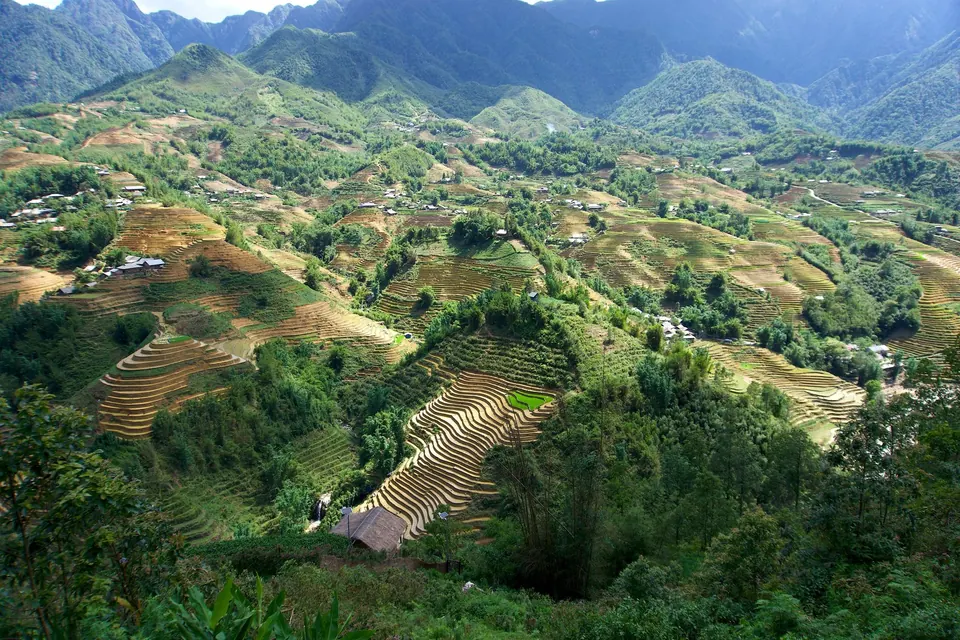
Photo: Duong Nguyen on Pexels
The short answer
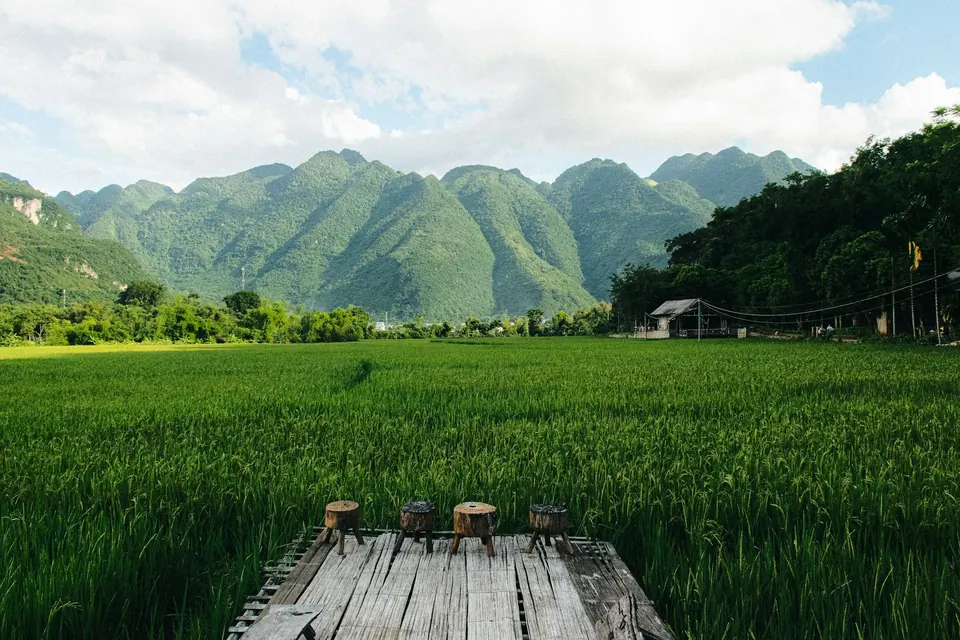
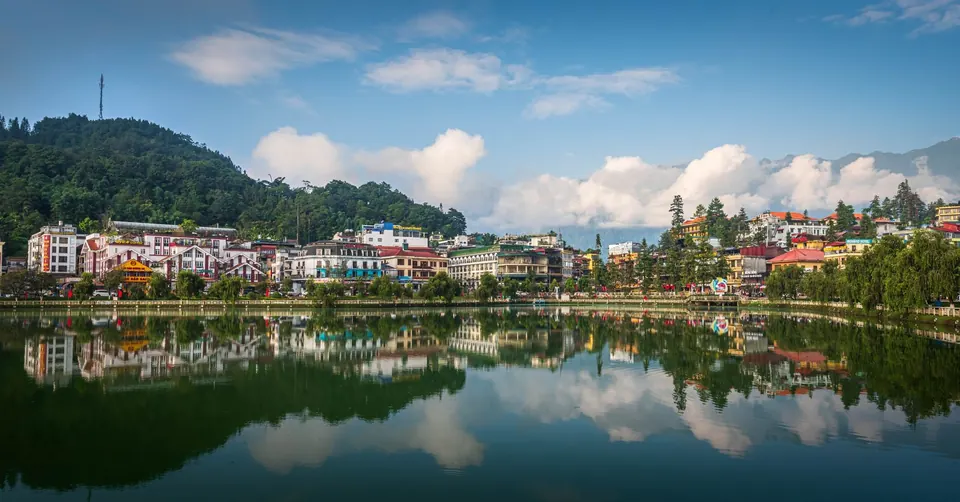
Sapa town has grown fast, and it shows: concrete hotels up the hillsides, scaffolding over the square, traffic working the one road in and out. If you only see the centre, you will wonder what the fuss is about. The Sapa that people fall for starts a few hundred steps lower, in the Muong Hoa valley, where rice terraces wrap every slope and the villages sit among the fields. Sleep down there, or at least give your days to the valley, and start early: before ten in the morning the paths belong to farmers and water buffalo, and after ten the tour vans come down from town. Give Sapa two nights at the least. One night makes the whole stay a transport day with a view.
Some honesty about who is writing this: we are a family on Cat Ba, at the other end of the north, and we do not run treks or guesthouses in Sapa. This is what we would tell a friend planning the mountains after the coast: the careful guides and trip reports of the last two years, read side by side and checked against each other. Where the sources disagree, we say so.
Since July 2025 the old Lao Cai and Yen Bai provinces have been merged into one larger Lao Cai province, and Sapa sits inside it. The town, the valley and the roads are unchanged. Some maps and booking pages already show the new province name, so don't be surprised when you meet it.
The way up: night train or road
Everyone comes up from Hanoi, and the real choice is between a bed on rails and a bed on wheels. The train runs overnight to Lao Cai, about eight hours, and Sapa is still an hour of climbing road away. A sleeper bus goes direct to the town in five and a half to six and a half hours, depending on who you ask. The last stretch is tight bends whichever way you travel. If you get carsick, take the train: travellers on the bus report paper bags handed out before the climb, and the train does its winding only in the final hour.
| Option | What it is like | Suits |
|---|---|---|
| Train | Leaves Hanoi around ten at night, reaches Lao Cai at dawn, then a minibus or taxi up the mountain. A flat berth in a lockable cabin, clean sheets, a reading light, and you arrive with the town still asleep. | Light sleepers with earplugs, anyone prone to carsickness, and anyone who wants the classic dawn arrival. |
| Sleeper bus | Direct to Sapa town with no transfer, roughly an hour and a half quicker overall. Bunks are narrower than train berths and the mountain stretch is the roughest part of the ride. | The return leg, once the dawn arrival has been had and the faster road sounds good. |
| Private car | A daylight drive on the expressway, five to six hours, door to door with stops when you choose. The most expensive option by a distance. | Families with children, or any day where arriving rested matters more than the fare. |
On the train, book the four berth soft sleeper rather than the open six berth carriage: a door that closes, better mattresses, a light to read by and a socket at arm's reach. It is the berth worth paying for, because the branded carriages on the same train are the same beds with nicer wood. One detail worth arranging: the train reaches Lao Cai around half past five and most Sapa hotels will not check you in until two in the afternoon. At least one carriage operator keeps a waiting lounge with showers at the station, which turns that dead gap into a shower and a coffee. Timetables and fares on this line move often, so check them close to your dates.
The valley is the reason you came
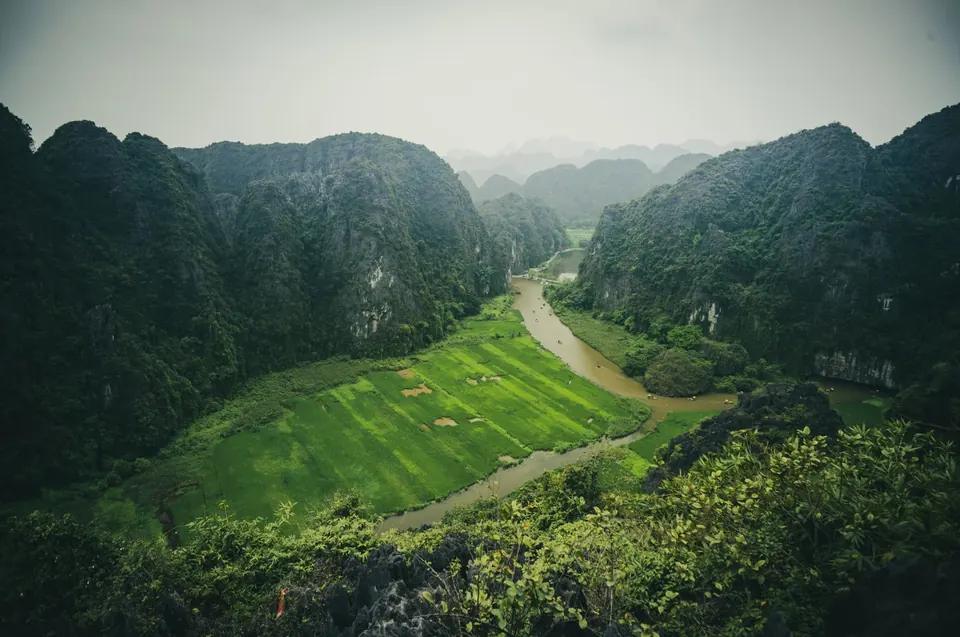
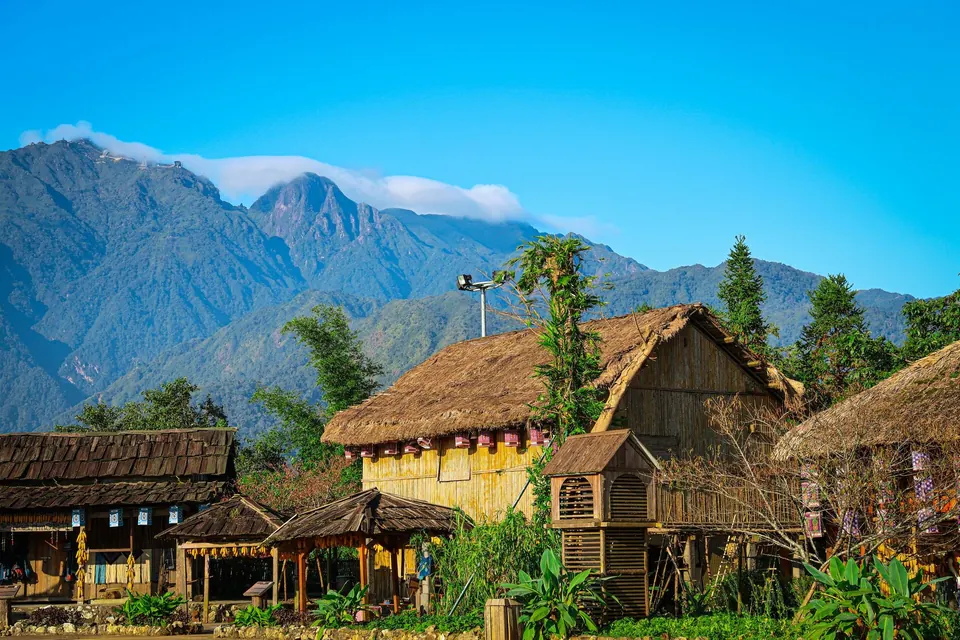
The Muong Hoa valley runs below the town: long, steep sided, a river at the bottom and villages on the shelves above it. In late spring the flooded fields mirror the sky. Through summer they are green. In autumn they turn gold for the harvest, though when exactly that happens, even the guides disagree: some put the gold in September and October, others in July and August. It depends on the valley and the altitude, and one traveller who arrived in late October found much of the rice already cut and the paddies under water. If golden terraces are the point of your trip, aim at autumn and keep a spare day. Winter is the other gamble: cold and often wrapped in cloud.
- Lao Chai, a Hmong village on the valley floor, the first you reach and the liveliest. The field paths continue from here to Ta Van.
- Ta Van, mainly Giay people, with homestays along the river and the easiest logistics for a first night in the valley.
- Ta Phin, a Red Dao village away from the main valley, known for herbal baths: a wooden tub of very hot water steeped with mountain leaves, about twenty minutes, which recent guides price at five to ten dollars. After a day on your feet it is the best money in Sapa.
- Sin Chai, on the far side of town, where visitors are few and Hmong women sit outside their houses sewing and dyeing cloth, indigo drying in the yards.
- The ticketed village closest to town, Cat Cat, is a different thing: reconstructed, packed by mid morning, built around costume photos. Not the valley you came for.
With a guide, or without
You can walk the valley without a guide, and travellers do. Every independent report repeats the same trick: download a mapping app that carries the small footpaths Google Maps does not show, plan the route the night before, and be on the path at first light. Before ten you share the trail with people going to work. After ten, the groups come down from town.
Know the limits. Dirt paths turn to grease after rain, and leeches come out with the wet, so long trousers and a check of your ankles are part of the kit. A wrong turn can cost an hour and a stiff climb. And the same reports name the thing no map can do: a guide who grew up in these fields tells you whose buffalo that is, what is planted where, which leaf dyes the cloth indigo. Several guides are Hmong or Red Dao women who have walked these paths since childhood, and they turn a pleasant walk into one you understand. Our suggestion to friends: walk one early morning on your own, and hire a guide for the day that matters. In the rainy months, take the guide both times.
Sapa rewards the guest who sleeps low, starts early, and lets one cloudy morning change the plan.
Fansipan, only on a clear day
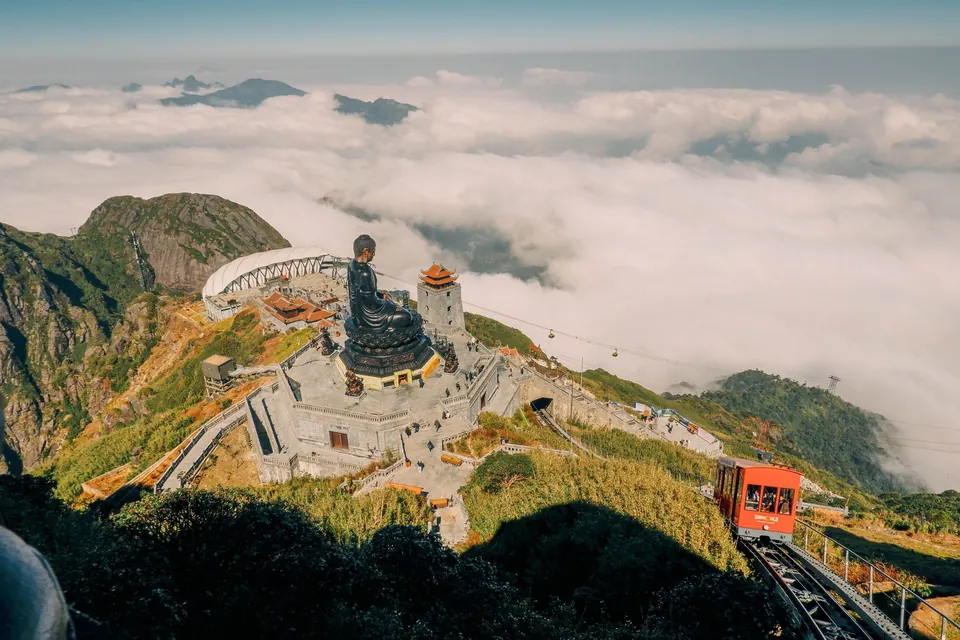
Fansipan, the highest mountain in Vietnam, stands just over three thousand metres above the town, and a cable car lifts you almost to the top in fifteen to twenty minutes. From the upper station, some six hundred steps remain to the summit, or a short mountain train for anyone who would rather save the knees. On a clear day you stand above a sea of cloud with ridges standing through it, and it is worth every minute of the queue.
On a cloudy day, you pay for a ticket and look at mist. Cloud sits over these mountains for days at a time, and traveller after traveller describes riding up and watching the valley fail to appear. Weekends and Vietnamese holidays bring queues and sold out tickets on top of that. So our advice is the same as for the golden fields: keep the plan loose. Book the town and the valley, and give the mountain whichever morning the sky picks. Two cautions: it is cold at the top even in summer, and anyone with a heart or lung condition should ask a doctor before riding up to three thousand metres.
After the mountains, the bay
Many people come down from the north tired, dusted with red dirt and ready for water that is not a river. That is where we come in. The road from Sapa to Cat Ba is long, nine to fourteen hours, and it always runs through Hanoi, so the departure you book matters more than the fare. This is the one part of the journey we do run: tell us the day you leave the mountains, and we will choose the connection that lands you on the island with the day still ahead of you. Then the bay does the rest.
What we read for this guide
This guide rests on the Sapa reporting of Indie Traveller, Where Are Those Morgans, Carry On Only and A Walk in the World, with the planning pages of the operators Few Days Halong and BestPrice Travel alongside, read in autumn 2026 and checked against each other. Fares, cable car prices and timetables in the north change quickly, and a few figures here come from a single source, so treat every number as a starting point and check again close to your dates. If a detail matters to your plan, message us: if we do not know, we will say so and find out.
Hoang Anh, host at Rustic House
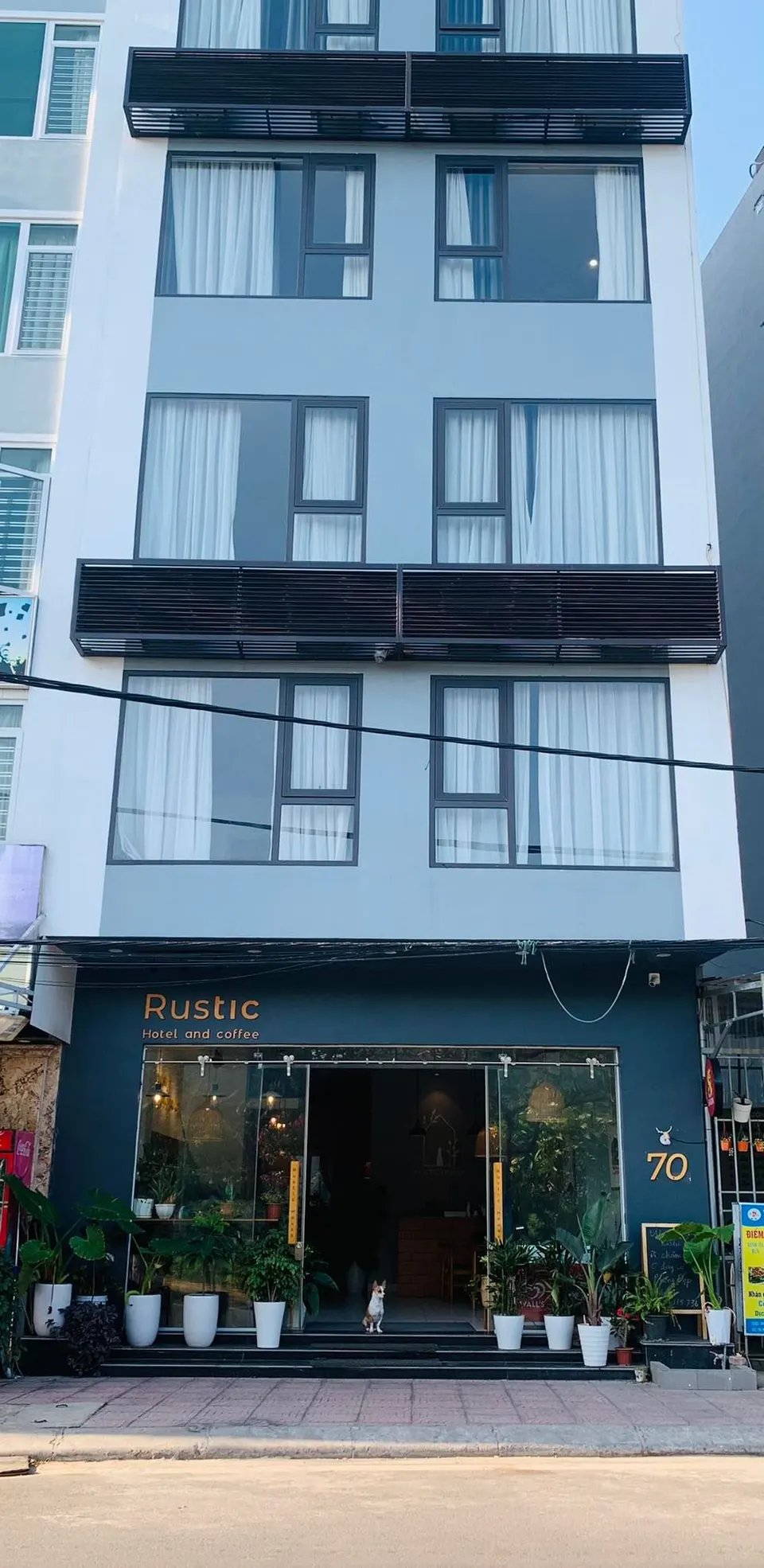
Written on Cat Ba, from Rustic House at 70 Tung Dinh. Questions about your own dates? Ask on WhatsApp.