How many days in Sapa? Two, three or four, journey counted
Is one night in Sapa enough? A time budget for each length of stay, with the journey counted, what a spare day is for, and a table to pick from.
Hoang Anh, host at Rustic House · · 8 min read
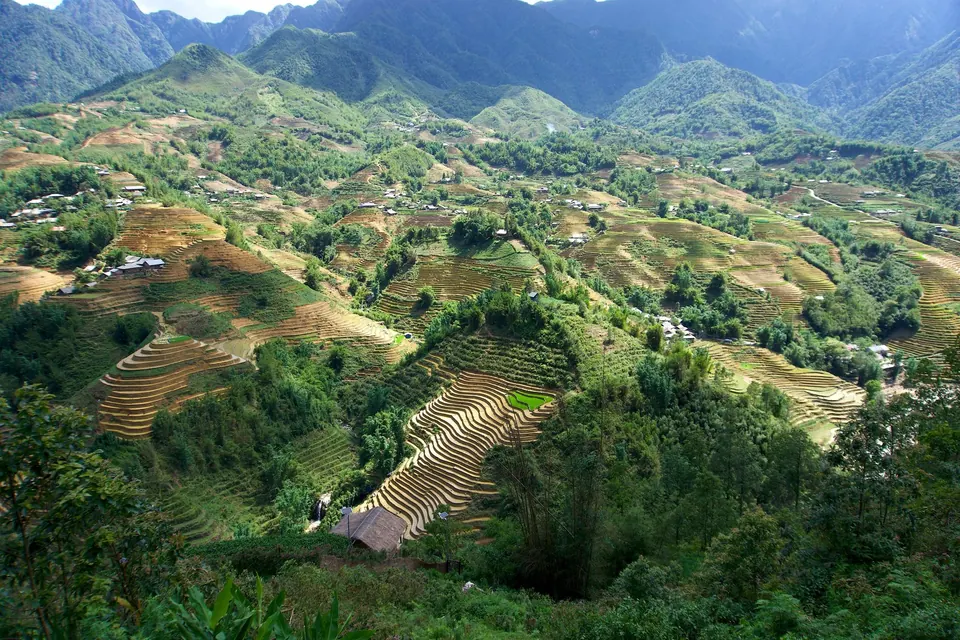
Photo: Duong Nguyen on Pexels
The short answer
How many days in Sapa? Lonely Planet sets the floor at two full days on the ground, and says you will probably want three to four if you want an overnight trek or Fansipan. So is one night in Sapa worth it? Only as a short add-on. Counting the journey, one night gives you about one afternoon and one morning on the ground. That is our arithmetic, with a road start from Hanoi at seven in the morning and a departure from Sapa at one the next afternoon. In our view, it fits the town and one short walk. It does not fit a village night, Fansipan on foot or any slack for fog. Keep a spare day, because fog is common in winter and trails turn slick in summer rain. The table below sets out every length.
Sapa is in Lao Cai Province. We are based on Cat Ba, and we do not run tours or treks in Sapa. The usable hours in this guide are our own arithmetic, not a timetable.
How we count: each figure marked as our arithmetic uses an example start time, such as seven in the morning. It is not a bus or train departure. Check real times close to your dates.
What the journey takes before you count a single day
By road, Hanoi to Sapa takes about five to six hours, and a little more on some sleeper buses. The overnight train takes about eight hours to Lao Cai, then about an hour by road up the mountain. It pulls in during the early morning, around five to six, so in our arithmetic you are in town around six to seven.
A same-day trip from Hanoi means two road journeys of about five to six hours each. In our arithmetic that is about ten to twelve hours of road for one day on the ground. We would not plan it that way.
If you arrive early, the room may not be ready, so ask your hotel about leaving bags.
One night, two days: what it buys and what it cannot
Here is a worked example, all of it our arithmetic. Say you leave Hanoi by road at about seven in the morning and reach Sapa around midday to one in the afternoon. Say you leave around one the next afternoon to be back in Hanoi by evening. That leaves roughly one afternoon and one morning on the ground.
In our arithmetic the night train outbound changes the sum: you are in town around six to seven in the morning, so day one is a full day. The price is a night on a train.
In our view, these could fit in one afternoon and one morning (pick one or two, not all three):
- The Sapa Culture Museum. Lonely Planet suggests about half an hour.
- One half-day valley walk. Lonely Planet says some people hike for only half a day, but most trails are unmarked, so a local guide is recommended.
- Love Waterfall. Lonely Planet puts it about 30 minutes out of town by motorbike, then a 30-minute hike from where you park.
What does not fit: an overnight trek, Fansipan on foot, or any slack for fog. The town itself is built up, and several writers point visitors to the valleys below it.

Our view: one night is worth it only if Sapa is a short add-on and you accept the weather gamble.
Two nights, three days: Lonely Planet's floor
Lonely Planet calls two full days on the ground a bare minimum. Its own example is one day in and around the town, with the museum, cafes and market in the morning and a motorbike trip to Tram Ton Pass after lunch, then a terrace hike the next day. We would not suggest riding a motorbike yourself here. Lonely Planet says most roads around town are unpaved and treacherous, and recommends a car and driver if you lack an international or Vietnamese motorbike licence.
In our arithmetic, two nights by road from a seven in the morning start gives an afternoon, a full day and a morning, which comes to about two days. On the night train it gives two full days plus a morning.
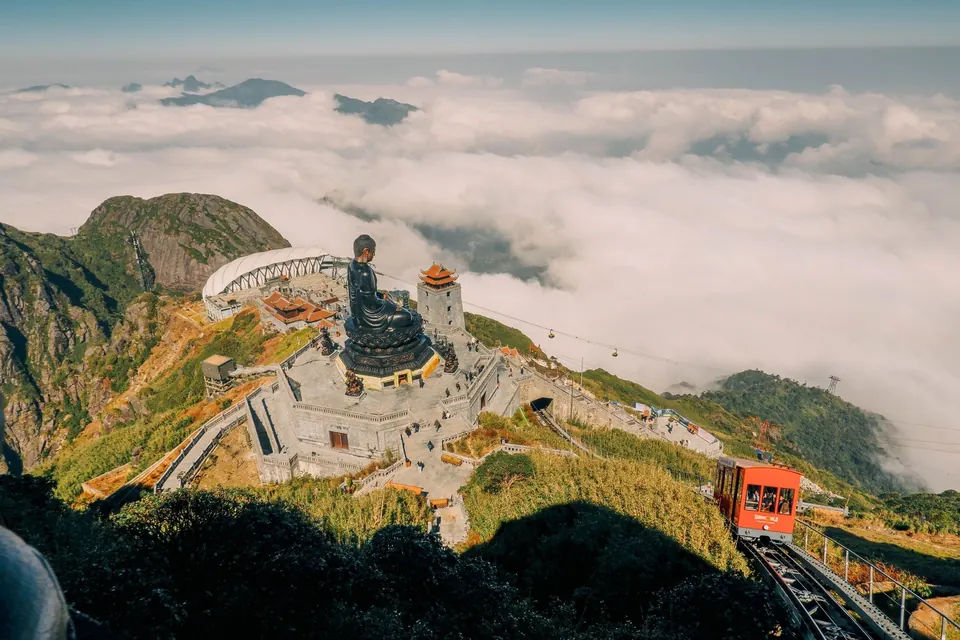
Fansipan is possible on a clear day, but plan for the weather. The cable car ride takes about 15 minutes, then you take stairs or a funicular rail to the top. Getting to the cable car can include a short mountain train ride.
Three nights, four days: a night in a village or Fansipan on foot
Lonely Planet says you will probably want at least three to four days for serious overnight village trekking or an expedition to the summit of Fansipan. Walks in the valleys range from half a day to a week.
Fansipan on foot is a guided, demanding option. Lonely Planet says the terrain is rough and can get slippery, and you need a guide. An experienced hiker can set out before dawn and reach the summit later the same day, while most operators offer two days with a night out. The summit is cold at any time of year, and views are poor on cloudy days.
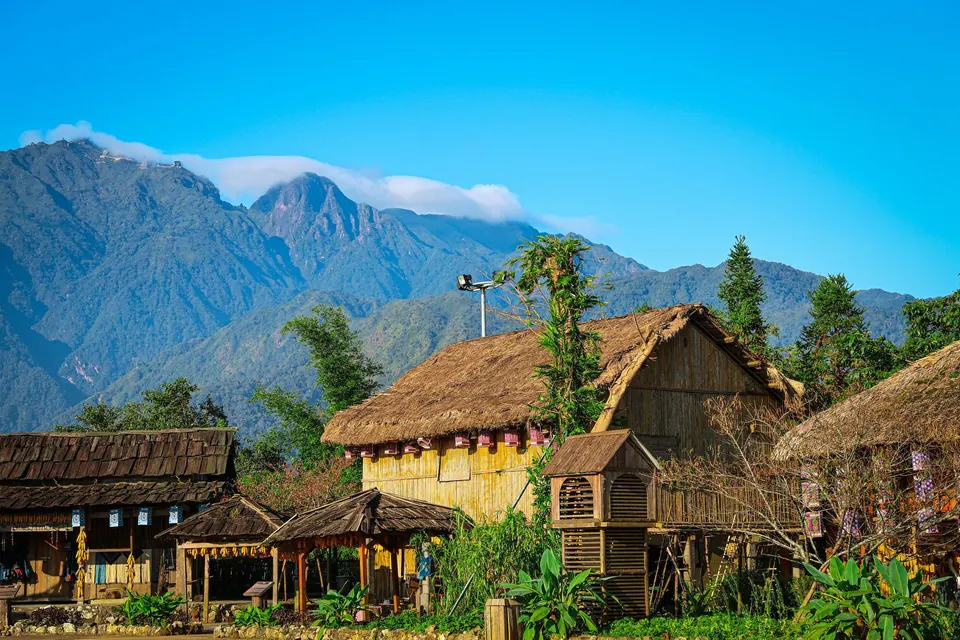
For where to sleep, read our piece on Sapa homestay or hotel. For valleys and routes, read our guide to Sapa without the crowds.
Sapa without Fansipan
Skipping Fansipan is not a mistake if the sky is against you. The summit is cold and can be fogged in on cloudy days. The cable car also stops every year for a technical inspection, and the dates change, so check the operator. The summit of Fansipan is 3,143 m, and it is a different place from the town of Sapa.
What fills the day instead:
- A herbal bath at Ta Phin, a village where Red Dzao women run herbal baths. The tourism board suggests setting aside a few hours.
- Love Waterfall, about 30 minutes out of town by motorbike and a 30-minute hike, according to Lonely Planet.
- The Sapa Culture Museum, about half an hour.
- A valley walk, from half a day up to a week.
A slow four days
A fourth day suits an unhurried traveller. The tourism board says the Bac Ha market comes alive every Sunday, and calls Bac Ha a three-hour drive without saying from where. If that means from Sapa each way, our arithmetic makes it about six hours of road, so the market takes the day. That only works if a Sunday falls in your stay. The tourism board names Muong Hum as a small but charming Sunday morning market.
Add one rest morning, a herbal bath and one valley walk, and hold a day back for weather. Keep a buffer: Lonely Planet calls winter legitimately cold and says summer brings frequent rain. For winter fog and cold, read our piece on Sapa in December.
Keep a spare day for the weather
Several unrelated sources call fog common in a Sapa winter. One pair of bloggers called the weather extremely changeable and added an extra day to their itinerary. Lonely Planet says frequent summer rain makes trails slick and muddy. Our rule: put Fansipan or the longest walk on the first clear day, not on a fixed date.
How many days in Sapa: the table
| Stay | Time on the ground (our arithmetic) | What fits | Who it suits |
|---|---|---|---|
| Day trip from Hanoi | About ten to twelve hours of road for one day on the ground. | Not much more than a look around. We would not plan it. | Only someone with no other option. |
| One night, two days | About one afternoon and one morning, from a seven in the morning road start. | The town, the museum, one short walk. | A short add-on to a Hanoi trip. |
| Two nights, three days | Lonely Planet's floor of two full days, if you arrive early. | A town day and a terrace hike, and Fansipan if the sky is clear. | A first visit built on day walks. |
| Three nights, four days | Three to four days, Lonely Planet's range for a trek or the summit. | A village night on a trek, or Fansipan on foot with a guide. | Walkers who want a night out. |
| Without Fansipan, any length | The same days, with the summit as a block you can drop. | A herbal bath, the waterfall, the museum, a valley walk. | Anyone facing cloud or a closed cable car. |
| A slow four days | Four days with a Sunday and a spare day. | The Sunday market, a rest morning, a bath, a valley walk. | An unhurried traveller. |
For the count across the whole region, see how many days in northern Vietnam.
If the trip goes on to the coast
We do not run Sapa tours or treks. What we book is the way on. Every route from Sapa to the coast goes through Hanoi, there is no road that avoids it, and someone meets you at the Hanoi changeover. Our sleeper from Sapa takes about nine to eleven hours and is timed to arrive in daylight. It has no listed price, so ask us.
Our tailor-made Northern Vietnam, Slowly trip runs five to ten days and can add Sapa or the Ha Giang Loop before the coast. There is no fixed package price. We reply with a written proposal once we know your dates. At the coast end, the 2 days 1 night Cat Ba and Lan Ha Bay combo is $119 per person, and Tulip Cruise starts from $155 per guest sharing a cabin. Message us on WhatsApp +84 961 737 103.
What we read for this guide
We read a guidebook, the national tourism board's pages, the cable car operator's own notice, a reference summary of the 2025 administrative change and several independent travel blogs. Rules, fees, prices and timetables change fast, so check them close to your dates.

Hoang Anh, host at Rustic House
Written on Cat Ba, from Rustic House at 70 Tung Dinh. Questions about your own dates? Ask on WhatsApp.