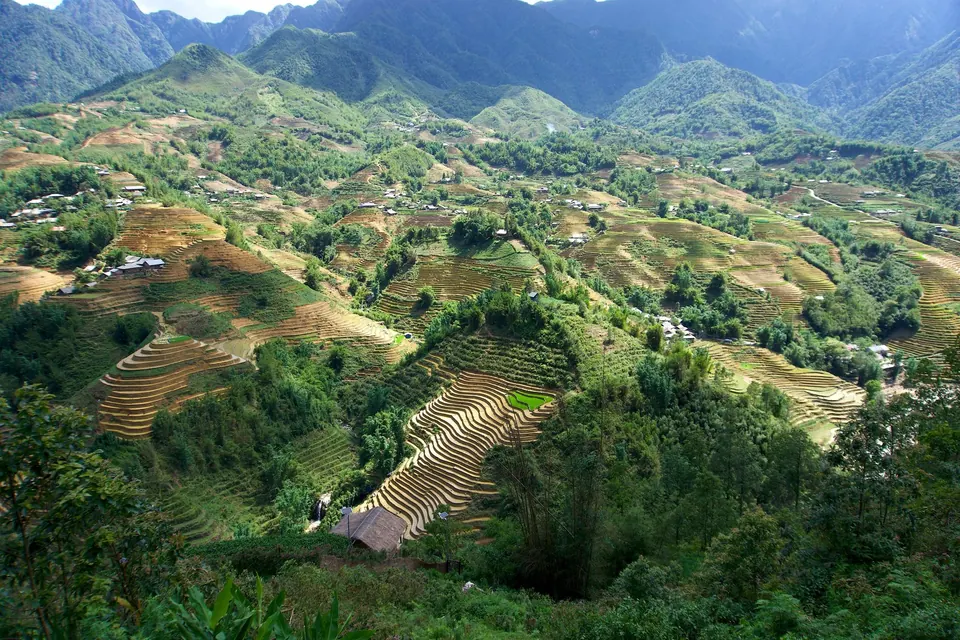
Mu Cang Chai harvest weeks: when the terraces turn gold
When the Mu Cang Chai harvest turns the terraces gold, how the water season differs, which hills and passes earn the climb, how many days to give it, and what the night bus does to the unprepared.
Hoang Anh, host at Rustic House · · Updated · 7 min read
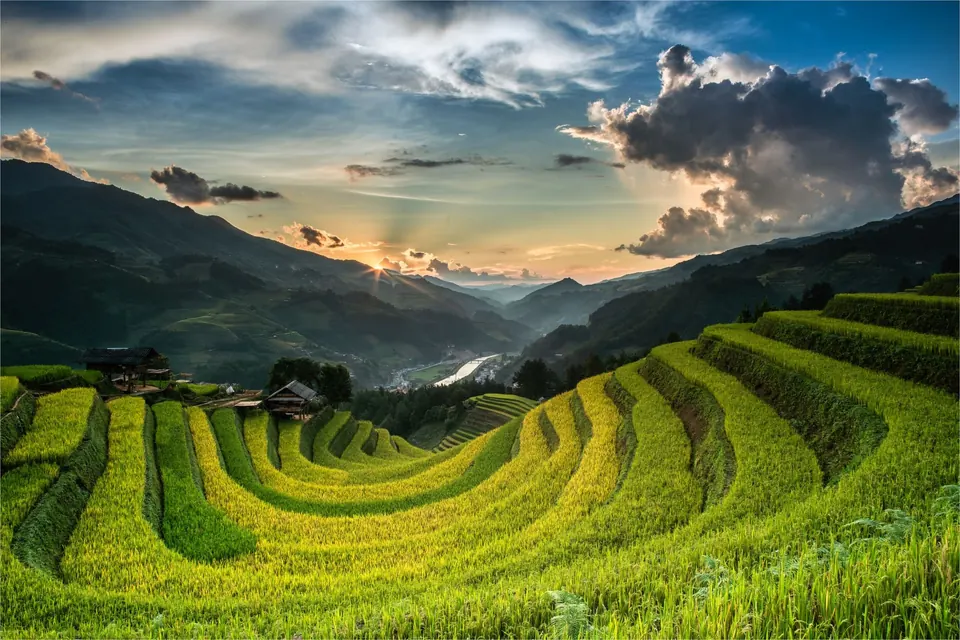
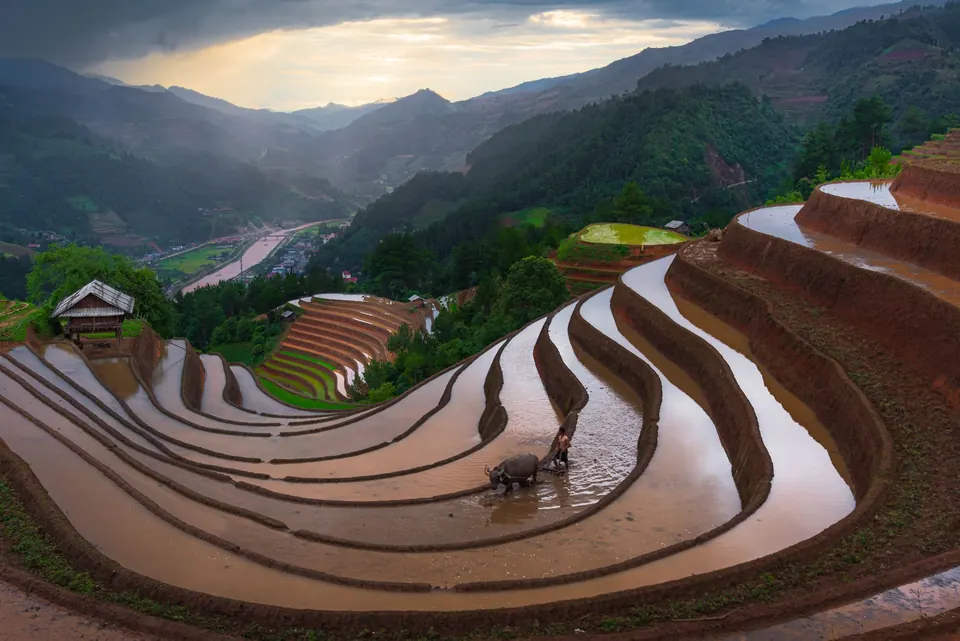
Photo: Sk4ter bol on Pexels
The short answer
The Mu Cang Chai harvest turns the terraces gold from late September into early October. The exact turn moves with the year, so check the calendar with local agents or other travellers close to your dates. The flooded water season comes earlier, roughly late April to June, and even the official page gives different weeks, so ask locally. Give the district two to three days.
One guide says Mu Cang Chai can be very crowded in harvest season, especially on weekends in late September, and suggests going midweek. We are a family on Cat Ba, at the other end of the north, and we do not run tours in Mu Cang Chai. This guide pulls together official tourism pages, guides by tour companies and a trip report by an independent blogger, checked against each other. Where they disagree, we say so.
Mu Cang Chai used to belong to Yen Bai province. In July 2025 Yen Bai was merged into Lao Cai province, which also contains Sapa. Bus operators and booking sites may show the old name or the new one, so search both.
When is the Mu Cang Chai harvest, and when is the water season?
Mu Cang Chai has two photo seasons: the flooded water season and the golden harvest.
| Season | Water | Gold |
|---|---|---|
| When | Roughly late April to June, moving with the year | Late September into early October |
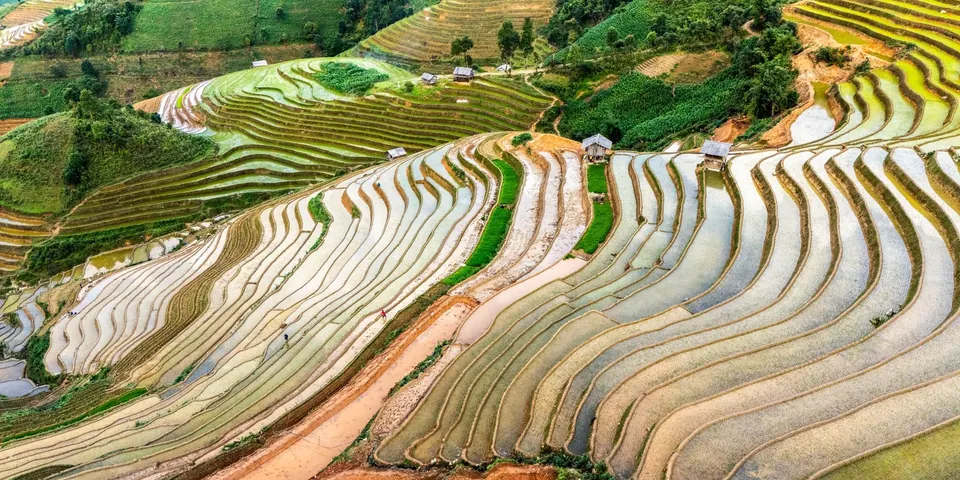
| Fields | Flooded terraces in the water season; glittering ponds in March, before planting in April and May | Golden rice ahead of the cut |
| Watch | Even the official page gives different weeks, so ask locally | The turn varies, so check with local agents or travellers. Once the paddies are harvested the terraces are empty and brown |
Winter is cold and foggy, with less colourful landscapes, by one guide's account, which covers November to February. The official page puts the cold, dry season at November to March and mentions wild peach blossom on the hillsides in December. Whichever season you choose, the terraces are a working landscape first and a sight second, and the crop belongs to somebody's year.
What makes the terraces special
The terraces cover more than 2,000 hectares, and the Ministry of Culture, Sports and Tourism designated a large portion of them as a National Heritage Site. La Pan Tan, Che Cu Nha and De Xu Phinh are the communes named as heritage terraces. One tour company describes each in turn.
- La Pan Tan: the densest and most impressive terraces.
- Che Cu Nha: extremely steep slopes and a wilder feel.
- De Xu Phinh: peaceful, with Hmong villages among the terraces.
- Lim Mong and Lim Thai: valleys at the foot of the pass where you can walk among the fields instead of above them.
Mam Xoi in the morning, Mong Ngua at sunset
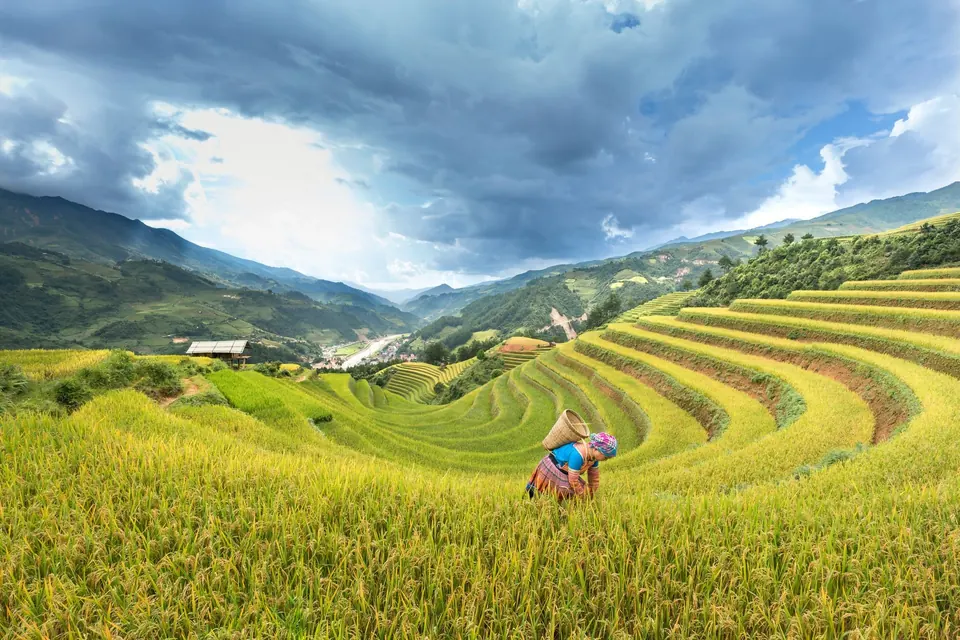
Two hills take most of the photographs. Mam Xoi, in La Pan Tan commune, has concentric terraces shaped like a tray of sticky rice, at their best in the morning mist. You park at the visitor car park and take a moto-taxi to the top. One traveller in 2021 found the ride terrifying, especially on the way down, and the official page calls the climb a slog and advises a local driver. Let the people who ride it every day do the driving.
Mong Ngua, the Horseshoe Hill, is in Sang Nhu village. Its terraces form a semicircle, best at sunset, when low light or still water makes a mirror. Morning at Mam Xoi, sunset at Mong Ngua: that is the simple plan.
Khau Pha pass and the paragliding weeks
The great sight here is not one platform but a road. Khau Pha is one of Vietnam's highest mountain passes and one of its harder drives, running between Mu Cang Chai and Tu Le with viewpoints along the way. The guides do not agree on its length, so count your time in hours rather than kilometres. Stop often: that is what the pass is for.
Paragliding at Khau Pha runs alongside the harvest, in September and early October. A festival draws international pilots, and there is a second festival in the water season, called Flying over Pouring Water on Terraced Fields. A tandem flight lands in the valley, on the terraces you have just flown over. Festival dates change, so check close to your dates.
Mu Cang Chai: how many days, and how to get there
The district is about 300 km from Hanoi. Guides give the road time as anything from six to eight hours. One guide advises against doing the whole journey in one go and suggests a stop in Nghia Lo or Tu Le. Tu Le, at the foot of the pass, is known for its tea and for cốm, the young sticky rice. Guides suggest two to three days in the district itself.
- Two days is the compressed version. Arrive with a room already booked, spend the first day on the pass road, and keep the second day for Mam Xoi in the morning mist and the hills you missed.
- With a third day, add a slow walk through Lim Mong or Lim Thai, among the fields rather than above them.
- On the night bus: one traveller reports that the bus from Hanoi's My Dinh station dropped her in Mu Cang Chai at 3 or 4 in the morning in 2021. Book your room before you board: at four in the morning you want a door that opens, not a search.
If you are planning the wider north, our month-by-month guide and how many days to give the north put these days in context, and our guide to quieter corners of the north covers the places between the big names.
The practical things that decide the day
- Motorbike hire: in 2021 one rider found it hard to rent in town, with few shops and a price above the usual, and suggests bringing your own bike from Hanoi. She adds that a travel agent can arrange a car tour or a motorbike driver.
- Cash: bring enough, because cards usually do not work and ATMs are not always available.
- Footwear: trails through the rice fields and villages can be muddy and slippery even outside the rainy season, so waterproof hiking shoes help.
- Where to sleep: homestays are often the only option in remote areas, and the ones travellers remember have field views. Thai stilt-house stays are another option.
- Booking: with weekends in late September reported as very crowded, book ahead for the gold weeks and go midweek if you can.
- People: always ask permission before photographing locals.
After the gold, the sea
Every route from the northern mountains to Cat Ba runs back through Hanoi. Our sleeper transfer picks up in Sapa or Ha Giang, not in Mu Cang Chai, and Sapa to the island takes about 9 to 11 hours, so if your gold weeks end in Mu Cang Chai, plan the last leg around one of those two towns. Our guide to Sapa without the crowds explains what to do with the days between.
Message us on WhatsApp at +84 961 737 103 with your dates, and we will tell you plainly what we can book and what we cannot.
Our 3D2N Ultimate Cat Ba Experience costs $229 per person, and Tulip Cruise starts from $155 per guest, sharing a cabin, for 2 days and 1 night. Deposits and cancellation terms are on our cancellation policy page.
What we read for this guide
Official Vietnam tourism pages, guides written by tour companies, and an independent trip report, checked against each other. Where they agreed, we kept the fact. Where they differed, we gave a range or said so. Rules, fees, prices and festival dates change fast, so check close to your dates, and message us about anything your trip depends on.
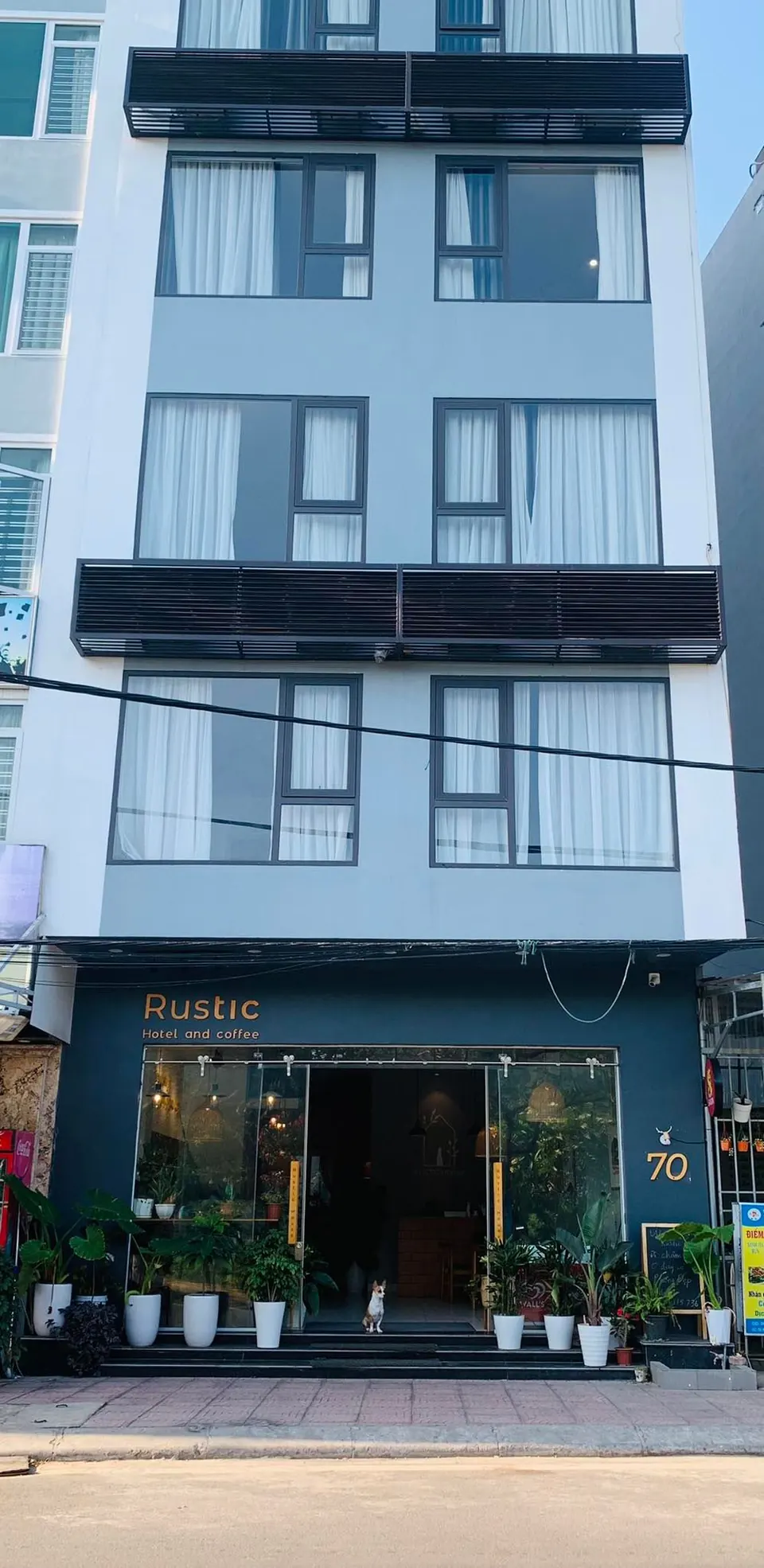
Hoang Anh, host at Rustic House
Written on Cat Ba, from Rustic House at 70 Tung Dinh. Questions about your own dates? Ask on WhatsApp.