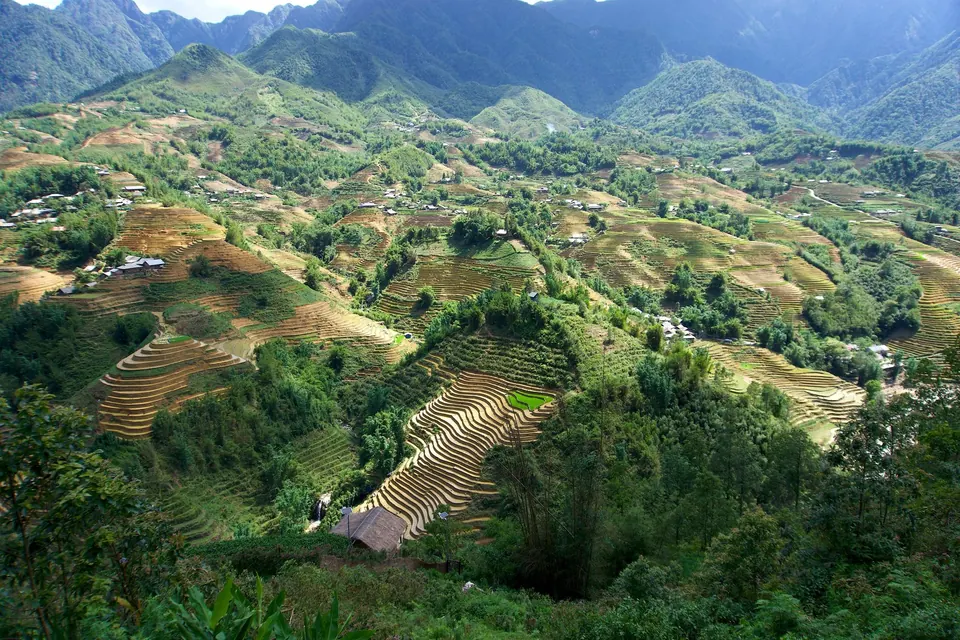
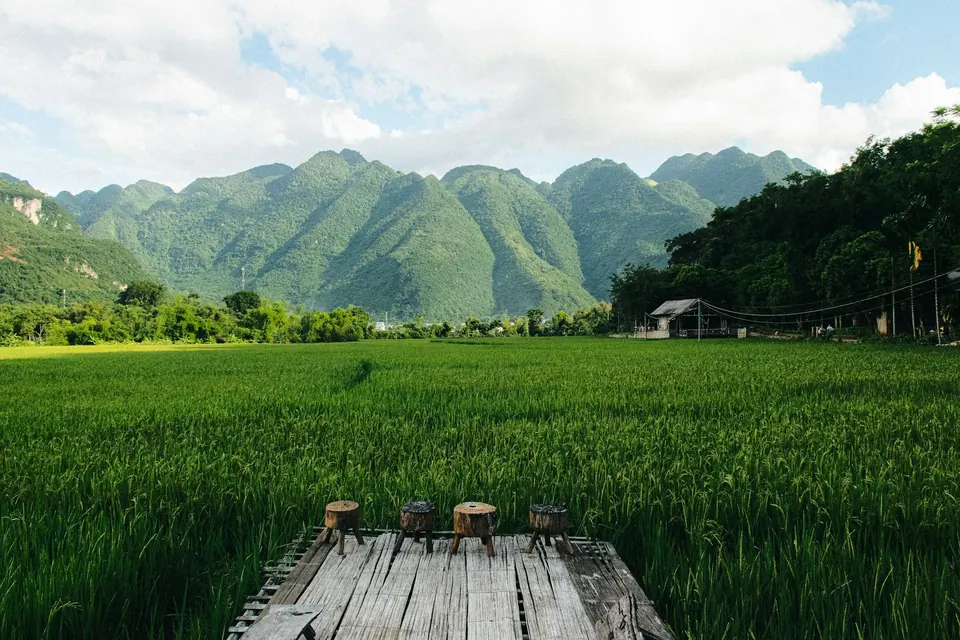
Tam Coc or Trang An: choosing your boat in Ninh Binh
Two rivers, two very different boat days, a short ride apart. Which pier to choose in Ninh Binh, what the routes cost in time, how to handle the tip question and when the rice turns gold: the guides disagree.
Hoang Anh, host at Rustic House · · 7 min read

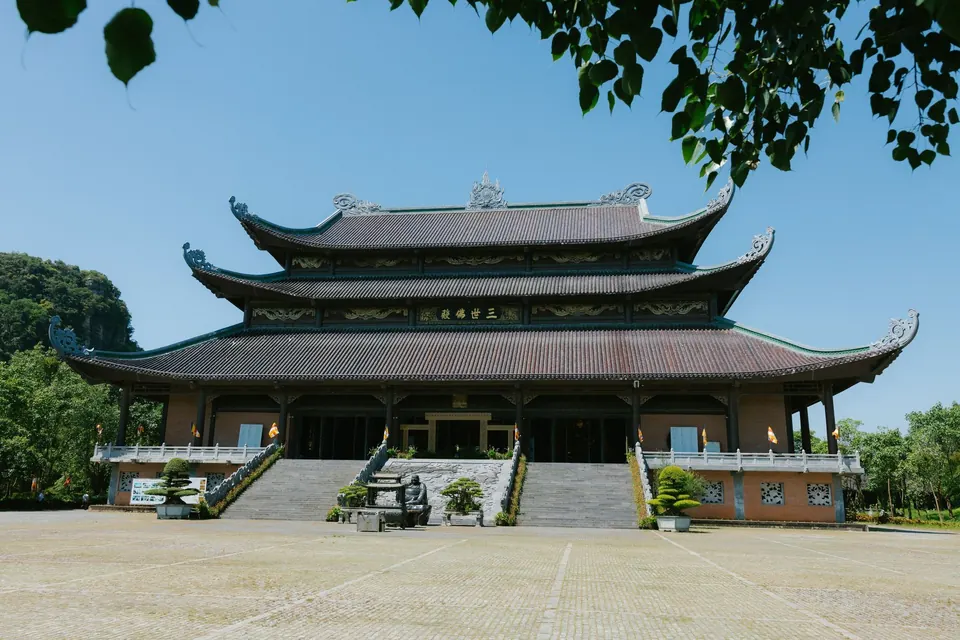
Photo: Hugo Guillemard on Pexels
The short answer
Choose Trang An for the big day: a UNESCO landscape of forested cliffs, flooded caves and river temples, two and a half to three hours on the water. Choose Tam Coc for the shorter ride, straight from the village, with rice fields around the boat instead of a reserve. If you have one boat day and no strong opinion, most of the guides we read quietly lean Trang An. If you want to cycle between temples and sleep among the fields, point yourself at Tam Coc.
Whichever pier you pick, the hour matters more than the choice. Boats run from seven in the morning to four in the afternoon, the day tours from Hanoi start arriving around ten, and the guides who launched at eight describe calm water while the ones who arrived at noon describe queues. Go before nine or after three and you have already made the best decision of the day.
We are a family running a small guesthouse on Cat Ba, and we do not run boats in Ninh Binh. What follows is the advice we would give a friend: six guides and trip reports read side by side in autumn 2026 and checked against each other. Where they disagree, we say so.
Boat hours, ticket prices and temple rules in Ninh Binh change without much warning. Most figures below appear in at least two of the guides we read, and the rest are marked as one writer's experience: treat all of it as a starting point and check close to your dates.
Two piers, two different days
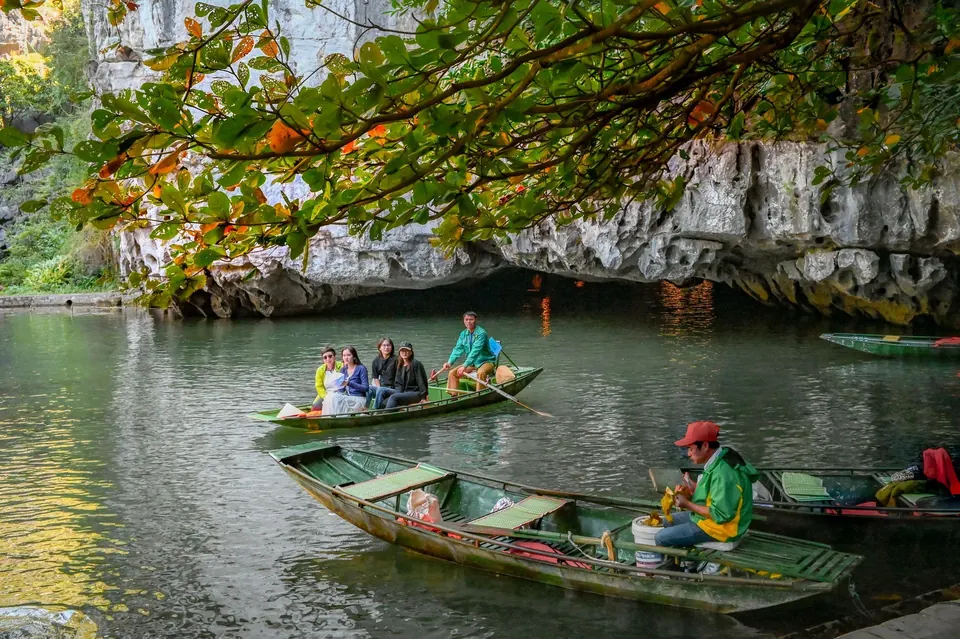
Trang An became a UNESCO World Heritage site in 2014, and the guides describe a complex of about fifty caves and thirty valleys folded into forested limestone. Wooden sampans rowed by hand carry you through flooded caves so low you duck, with stops at three temples on every route. Kong: Skull Island was filmed here, and rowers still point out the spots. The wharf sits a short ride north of Tam Coc village.
Tam Coc is the same stone with a village wrapped around it. The name just means three caves: the boat runs up the Ngo Dong river, passes through three of them and turns back over open rice fields. The ride is shorter than Trang An and costs less. Rowers here are known for propelling the boat with their feet, which guides watch with genuine respect. Tam Coc is also where most of the homestays, cafes and evening life sit, while the Trang An side stays quieter.
| Question | Tam Coc | Trang An |
|---|---|---|
| Scenery | Rice fields, a village river, three caves | A reserve of cliffs, flooded caves and temples |
| Time | The shorter ride | Two and a half to three hours |
| Rowing | With the feet, famously | With the hands, through low caves |
| Crowds | Vendors and boats near the pier | Managed, no haggling at the wharf |
| The tip | Asked mid route, sometimes | Not asked, offered at the end |
| Base | Sleep among the fields | A short ride north of the village |
Most of the travellers we read regretted the hour they arrived, never the pier they chose.
Choosing a route at Trang An
There is no best route, only the right one for your legs and your feelings about tight spaces. All three cost the same and all stop at three temples; the difference is the caves. You do not book ahead, and you do not choose the route at the ticket counter: that happens later, at the dock.
- Route 1: nine caves and three temples, the longest at about three hours. One couple who rode it found it slightly too long and would pick a shorter one next time. Skip it if small spaces wear on you.
- Route 2: four caves and three temples, about two and a half hours, and the busiest. It passes the film location of Kong: Skull Island.
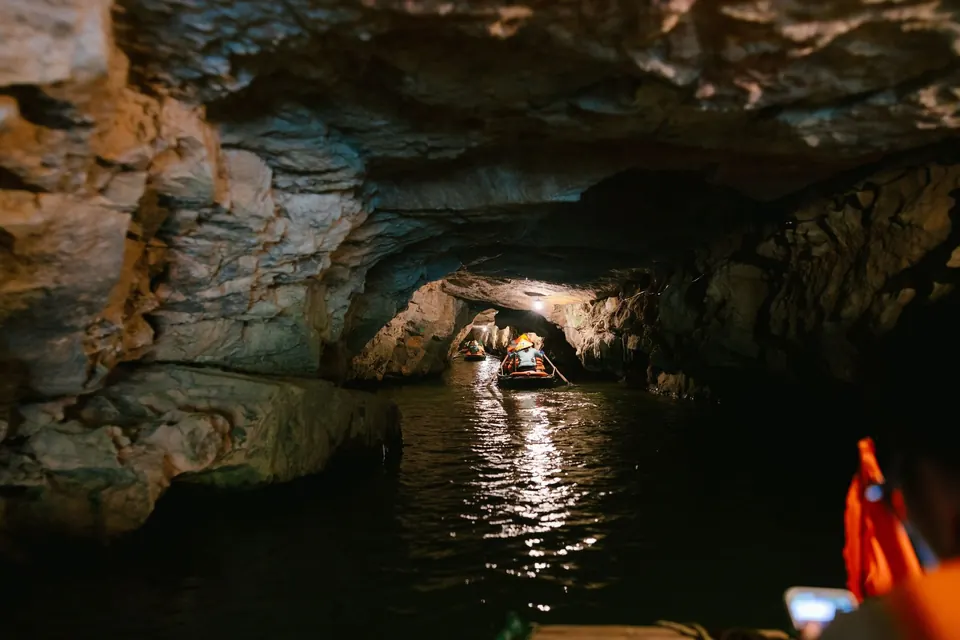
- Route 3: three caves and three temples, the shortest of the three, and home to Dot Cave, the longest in the complex at about a kilometre of dark water. Guides who cared more about open scenery than stalactites chose this one and were glad.
However you ride: life jackets are required, some cave ceilings are low enough to duck, and each temple stop gives you ten to fifteen minutes on shore. Remember your boat number, because the rowers all wear the same shirt. And take the spare oars for ten minutes if they offer them. It is the fastest way to understand what the job costs.
The tip question, handled with respect
Here is the honest part. Several guides report that on the Tam Coc ride a boat sometimes stops mid route and the rower asks for a tip, that vendors paddle alongside selling drinks, and that some travellers were nudged to buy food for their rower. Other guides describe quiet, friendly rides and say so plainly. Both are true: the experience changes from boat to boat and year to year.
What we would tell a guest: carry small notes, and if the day was good, tip at the end, warmly, without waiting to be asked. These rowers paddle for hours in the sun with their hands or their feet, then turn around and do it again; one guide watched their Trang An rower collect the next boat the moment theirs landed. The mid route ask at Tam Coc can feel awkward, but a small note and a smile ends it kindly. And if you would simply rather not think about it, that is a fair reason to take your boat at Trang An, where the ticket window handles the money and nobody asks.
Sun, cash, sleep and the gold rice
The boats have no roof. That one sentence decides how you pack for the day.
- A hat, sun cream and more water than seems reasonable: most of the ride is open sky, and only the caves and temples give shade.
- Something light that covers shoulders and knees for the temples, and shoes you can slip off. The river temples ask for covered skin, no photos inside, no food, and quiet voices.
- An umbrella only if you bought all four seats. The boats are small and an umbrella steals the view of everyone behind you.
- Cash in small notes. The guides agree the city has ATMs and Tam Coc village has none, and the small stalls along the route take cash only.
- For a private boat at either pier, buy all four seats. Boats carry four guests, and unfilled seats get filled with strangers.
Sleep in Tam Coc, not in Ninh Binh city. The guides agree on this in one voice: the city is a working town with the train station, and the village is where the rice fields, the climbing and the restaurants are. Two nights is the comfortable minimum, one for the water and one for the land.
The land day belongs to Hang Mua: about five hundred uneven steps up a karst to a small temple and a full sweep of the valley. Go at opening time, before the heat and the buses, and skip the climb entirely in rain: the steps are worn smooth and there is no shelter on the way up.
On the famous gold fields, the guides disagree. One says the rice turns gold in late May and June. Another puts the harvest in September and October. Both are probably right for different fields and different years, so our honest advice is to come for the boat and the stone, and treat whatever colour the fields are wearing as a bonus.
After the boats, the sea
Ninh Binh pairs well with the coast, and many travellers ride the boats, climb Hang Mua and then turn east for the bay. Our family runs a transfer between Ninh Binh and Cat Ba that skips Hanoi, so you can leave the karsts after breakfast and reach Cat Ba Town four to five hours later, ready for the bay the next morning. Message us your dates and your group and we will tell you honestly whether the pairing makes sense, or whether Ninh Binh deserves its full two nights first.
What we read for this guide
The Ninh Binh itinerary by Geeky Explorer, the Trang An boat guides by Where Are Those Morgans and Adventures of A+K, the rowboat notes by The Grah Life, a short trip report by The Daily Adventures of Me, and the Ninh Binh guide by Oxalis Adventure, which is a cave tour company, so we kept its facts only where an independent guide agreed. All read in autumn 2026 and checked against each other. Hours, fees and temple rules move fast here: check close to your dates, and message us about anything your trip depends on.
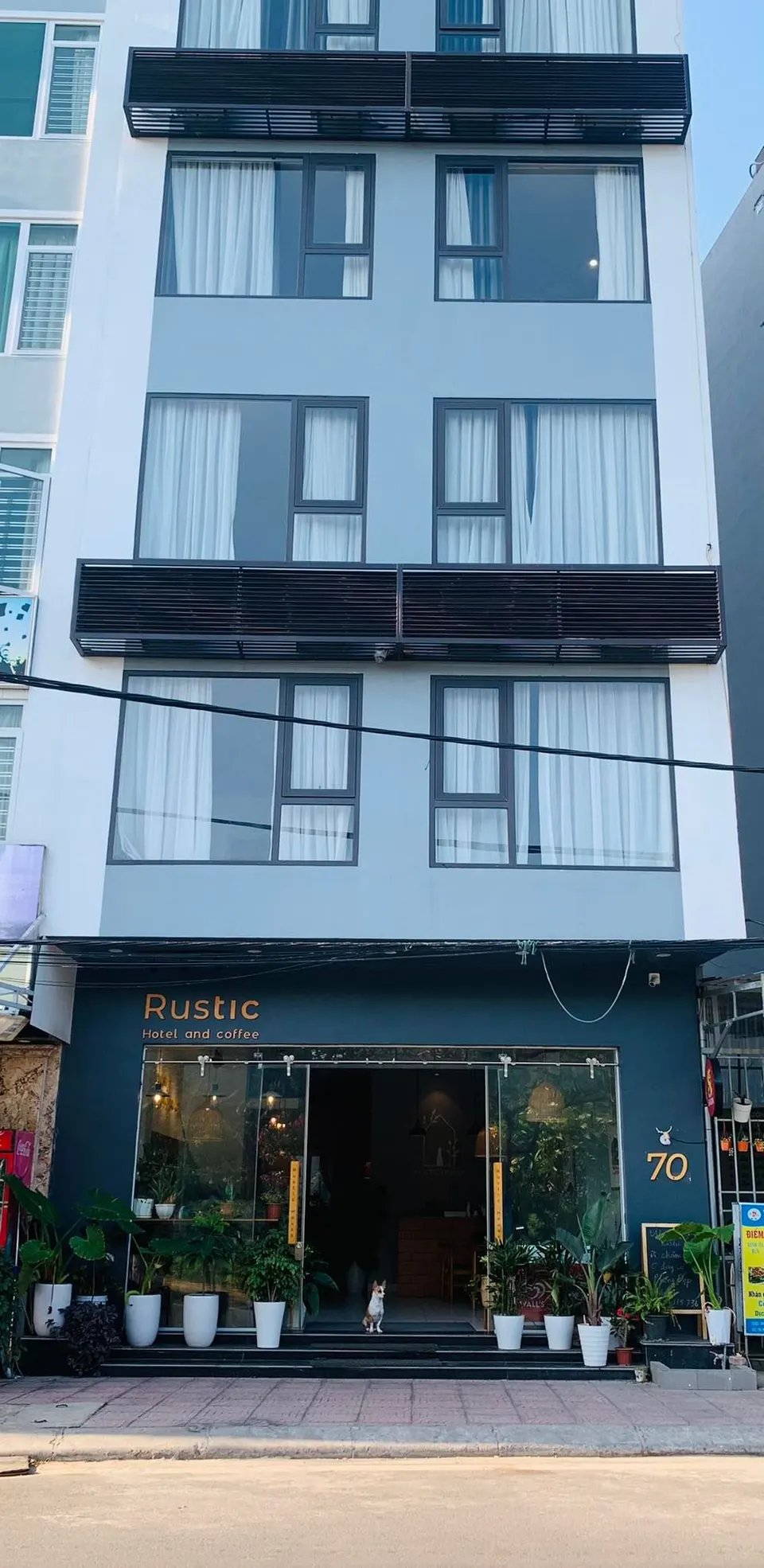
Hoang Anh, host at Rustic House
Written on Cat Ba, from Rustic House at 70 Tung Dinh. Questions about your own dates? Ask on WhatsApp.