Two days in Hanoi before the coast: what to keep, what to skip
Two nights is the usual stop on the way to the bay. Which hour to wake for, which street needs rules, what to eat, and the questions to ask before you pay for any cruise.
Hoang Anh, host at Rustic House · · 6 min read

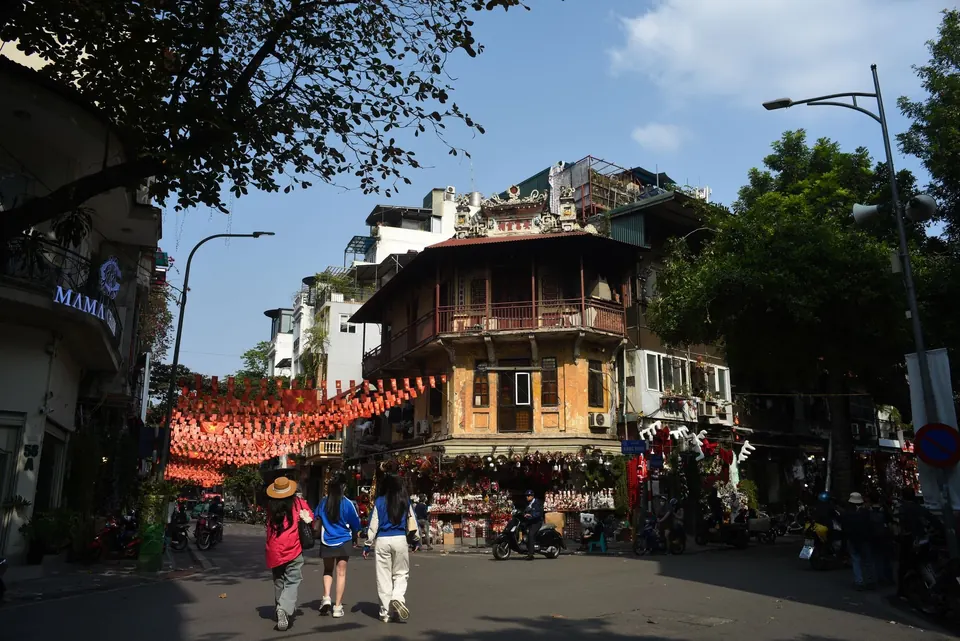
Photo: Nguyen Ngoc Tien on Pexels
The short answer
Two days is enough for a first visit, if you treat Hanoi as a city to walk and eat in rather than a list to tick. Keep day one for the Old Quarter on foot, Hoan Kiem lake and an evening on Train Street. Keep day two for the lake at six in the morning, a proper breakfast, one museum or Dong Xuan market, and a car out of town in the afternoon. Skip the long cross-town detours and the midday queue at the mausoleum: traffic quietly takes an hour from anywhere you try to add.
One thing first, in plain words. We are a family on Cat Ba island, at the end of the road most of you are driving, and we sell the private car from Hanoi and boat days on Lan Ha bay, so we earn when the trip out of the city goes well. We have kept that interest out of these pages as much as we could. What follows is the careful Hanoi writing of the last two years, read side by side and checked against each other. Where the writers disagree, we say so.
| Where | Keep | Skip |
|---|---|---|
| Sleep | Inside the Old Quarter, a lane back from the beer street | A quiet hotel far out: you trade silence for hours in traffic |
| Morning | The lake at six, while the city belongs to locals | Sightseeing at midday, when the quarter is loudest and hottest |
| Train Street | A cafe seat, with time to spare | Standing on the tracks for a photo, ever |
| Eating | One unhurried bowl where locals queue | A walk-in cruise booking with no questions asked |
Where to sleep, and the best hour in the city
Sleep inside the Old Quarter. Nearly everything worth two days sits within a twenty minute walk of it, and travellers who sleep further out spend their Hanoi hours in cars instead. Book before you land: the quarter fills up completely on weekends, all year, and the walk-in options get thin fast. The bars on Ta Hien, the beer street, run loud and late, so if you sleep lightly pick a lane one street back. You keep the location and lose most of the noise.
Then, once, set an alarm for six. At dawn Hoan Kiem lake belongs to the people who live here: groups practising tai chi on the grass, the red bridge to Ngoc Son temple standing in still water, pork broth smelling through shop shutters, almost no other foreigners. It is the hour that makes the city make sense. Walk the water, drift north into the lanes, and let the morning stay unplanned.
Two small facts explain the streets while you walk. Most of them start with the word Hang, which means merchandise, because each street once sold one thing: cotton, silver, sugar, hats. And the houses stand narrow and deep because shopfronts were taxed by width, not depth. Look up as often as ahead: the upper storeys belong to another century.
Train Street: the rules come before the photos
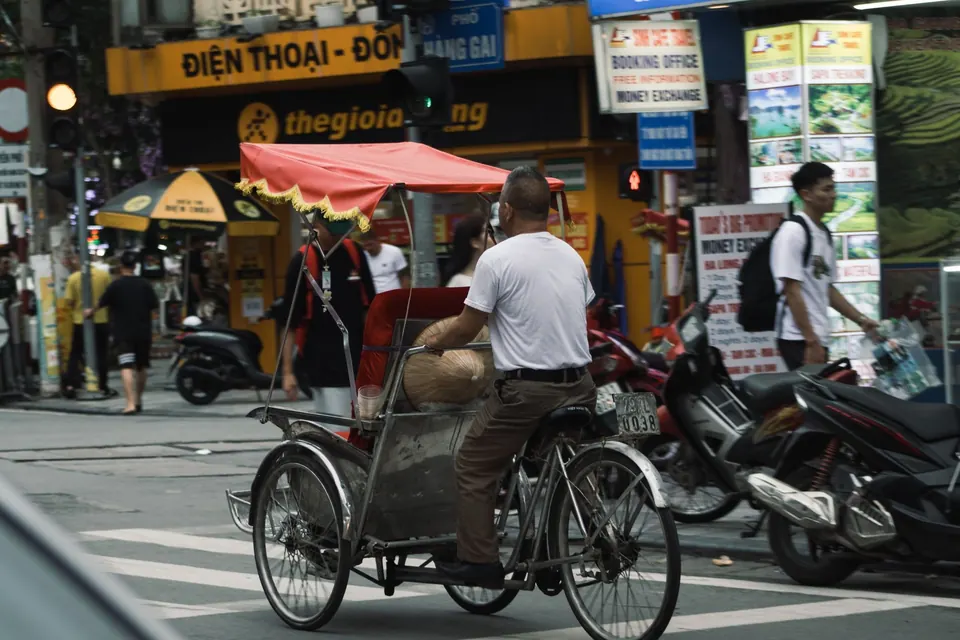
Train Street closed in 2019 after accidents and reopened under new rules. Since March 2025 group tours have been banned there. Independent visitors are welcome as customers of the cafes along the track: buying a drink at one cafe is the pass into the lane. Train times shift constantly, so ask a cafe owner or check the Vietnam Railways app close to your dates.
Two stretches of working track receive visitors. The Old Quarter section along Phung Hung is the famous one, strung with lanterns and lined with cafes, the busiest and loudest. The Le Duan section, just south of the railway station, is calmer, with fewer cafes and far fewer people. Either way the routine is the same: take a seat, order something, and let the owner run the safety part.
The train passes close enough that you feel the wind on your face, and every timetable printed online is only a guess. Before it comes, the owner moves the tables and calls everyone back from the rails. Stand where they put you, and never on the tracks, however empty they look. Come early, order slowly, and treat the hour of waiting as the point, not the twenty seconds of train.
What to eat, and the one rule that finds the good bowls
You will not need a long list, because the Old Quarter feeds you whether you planned it or not. These five, though, are worth ordering on purpose:
- Pho, the beef noodle soup the north makes more quietly than the south. The good bowls come from shopfronts with locals queued at the counter.
- Bun cha, grilled pork patties in sweet fish sauce with rice noodles and a pile of herbs. Add the fried spring rolls.
- Banh mi, the baguette sandwich. The crunch of the bread tells you whether the stall is any good.
- Bia hoi, the fresh draught beer brewed each day and delivered by motorbike. Well under a dollar a glass, on a stool on the pavement.
- Egg coffee, an egg yolk whipped with condensed milk over strong coffee, invented here in the 1940s when fresh milk was hard to find. It drinks like dessert.
One rule does the rest, and every writer we trust repeats it: eat where the locals are. A full plastic table at noon is worth more than any star. On weekend evenings the streets north of the lake close to traffic for a night market; go for the grilled pork and the crowd, not the souvenirs.
Before you pay for a bay trip in the Old Quarter
The quarter is thick with agencies selling overnight bay cruises at prices that make you look twice. Our own interest is out in the open: we sell boat days on Lan Ha bay, so read this as a seller telling you how to buy. Honest boats cost real money, because they carry real crews, real food and real insurance. If the price is a fraction of every honest overnight cruise in the bay, the boat will not be the one in the photos.
So ask before you pay, and walk away when the answers wobble. What boat is it, by name? Is the boat in the photo the boat that departs? How many cabins does it carry? What exactly is included, and what gets paid on board? How does cancellation work, in writing? A seller with a real boat answers all of this in a minute, and a seller without one starts negotiating.
Give Hanoi one early morning and one slow bowl of pho, and it stops being a corridor to the bay.
Before the coast: the road to Cat Ba
When the two days end, most guests point east, and this is the one place we will not pretend to be neutral. We run a private car from Hanoi to Cat Ba island, four to five hours door to door, and with luggage, children or a bay trip booked for the next morning it is the calmest way to arrive. Spend your last city morning on breakfast rather than one more sight: a bowl of pho, a last egg coffee, and Dong Xuan market if you want the noise of the real city once more.
What we read for this guide
This guide stands on the Hanoi writing of Straitstravellers, The Common Wanderer, Adventures of Jellie, Bucketlist Bri, Adventures of A+K and Vietnam Unlock, read in autumn 2026 and checked against each other; where they disagreed, we said so in the text. Cafes, prices and train times in this city move fast, so treat every detail here as a starting point and check again close to your dates. If something is unclear, message us: if we do not know, we will say so and find out.
Hoang Anh, host at Rustic House
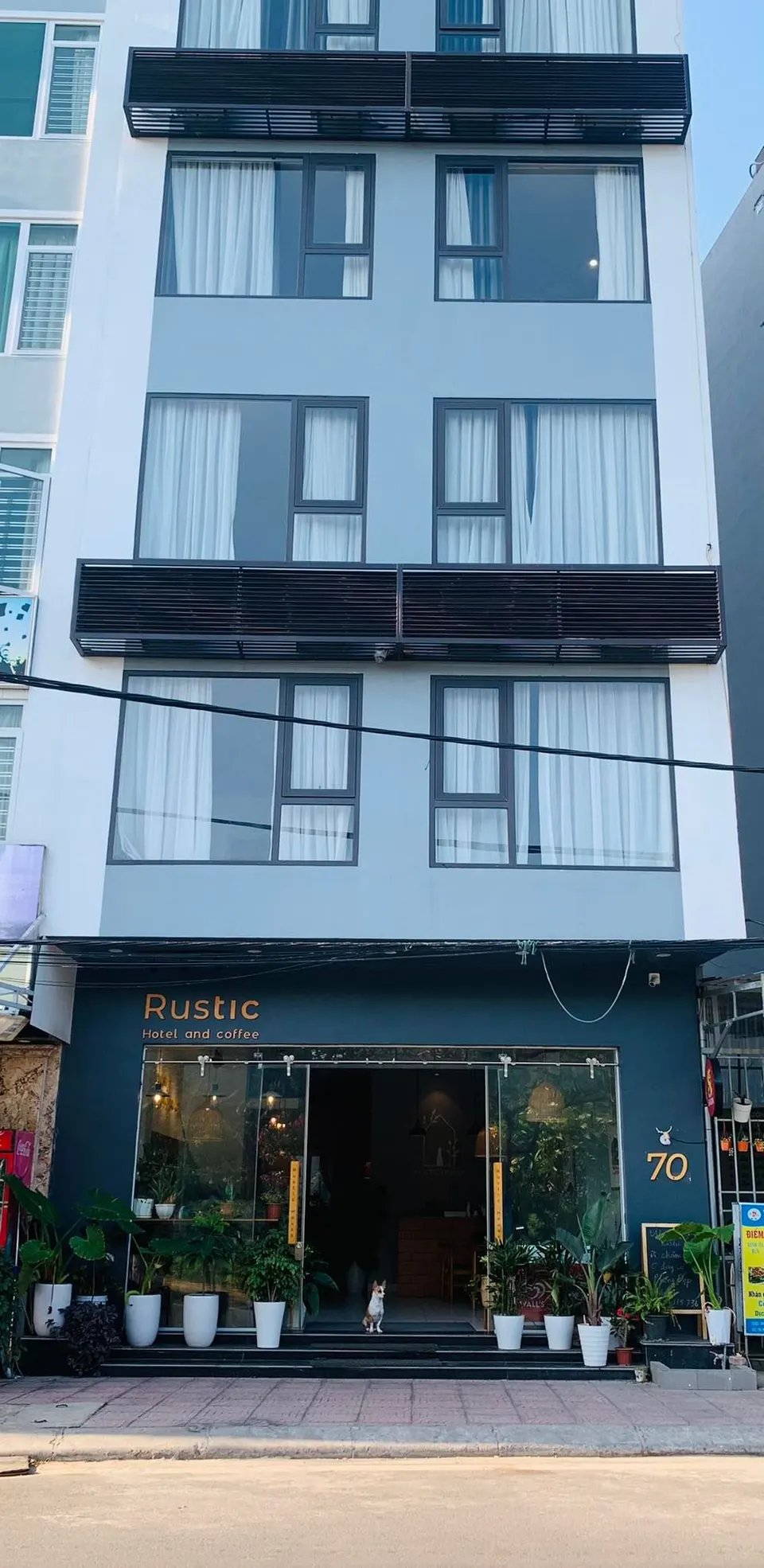
Written on Cat Ba, from Rustic House at 70 Tung Dinh. Questions about your own dates? Ask on WhatsApp.