Quiet places in northern Vietnam: five corners, two routes
Five quieter corners of the north for readers who find Ha Giang busy: when to go, how many nights each needs, and which ones join up by car.
Hoang Anh, host at Rustic House · · Updated · 9 min read

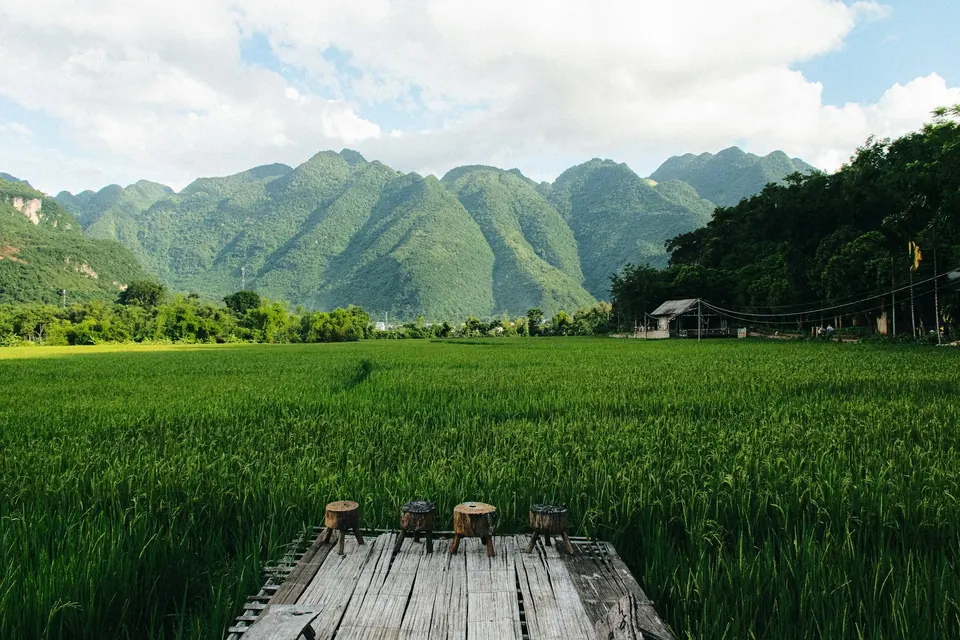
Photo: Quang Nguyen Vinh on Pexels
The short answer
Some travel writers pitch Cao Bang for readers who find the Ha Giang Loop crowded. If that is you, start with Cao Bang in the north-east. For quiet places in northern Vietnam on the other side of Hanoi, link four north-west stops in one loop: Mai Chau or Pu Luong, Moc Chau, Ta Xua and Mu Cang Chai. Cao Bang and the north-west are two separate trips, not one big circle.
Quiet here means quieter, not empty. Most places below have a busy week or weekend, and where the guides name it, so do we. The aim is to help you pick the calm months and the right number of nights.
Short on time? Of the north-west stops, Mai Chau is the nearest to Hanoi, about 140 to 150 km and three to four hours by road. One guide calls two days and one night the sweet spot for most travellers.
We are a family on Cat Ba, at the coastal end of the north. We do not run trips to these places, and we have not led groups there. This page gathers what the careful guides and our own detailed articles say, read side by side and checked against each other. Where sources disagree, we tell you.
Provinces were merged in July 2025. Cao Bang, Son La and Thanh Hoa kept their names. Mu Cang Chai's old province, Yen Bai, is now part of Lao Cai, and Ha Giang is now part of Tuyen Quang. Mai Chau's old province, Hoa Binh, is now part of Phu Tho. Older maps and booking sites may still show the old names.
What travel writers say about Ha Giang
Two blog writers pitch Cao Bang for readers who do not want the crowds and packed tours of the Ha Giang Loop. There are no visitor numbers we trust, so take that as opinion.
Ha Giang is still a fine trip, and we wrote our own guide to it for people who don't want to ride. If you would rather have a different feel, there are other corners of the north to choose from, and you do not have to ride yourself.
Quiet places in northern Vietnam at a glance
| Place | Why go | Best months | Time to allow | Busier when |
|---|---|---|---|---|
| Cao Bang (north-east) | Ban Gioc falls, Angel Eye Mountain viewpoint and Pac Bo | October to April, cold from November to February | We would give it three days, our own judgement; one guide adds Ba Be lake for more days. | Pac Bo on weekends and holidays; the Angel Eye Mountain viewpoint around sunset |
| Mai Chau or Pu Luong | A flat valley of stilt-house villages, or the quieter, more remote terraces | Gold around September and October in both; Pu Luong greenest around May and June | Mai Chau one or two nights; Pu Luong two days at least (one guide has a two-day itinerary, another suggests two nights) | One guide says Mai Chau has more visitors than Pu Luong |
| Moc Chau | Tea hills and a high plateau | Tea flush April to June, mustard flowers October to December, plum blossom late January into February | Two days is a short first visit; one guide suggests three days and two nights | Around the Lunar New Year |
| Ta Xua | Clouds at dawn from a mountain ridge | January to March is safest; guides give wider windows, from October to April for clouds, and September to March for trekking | Clouds are best at dawn; stay at least one night | No busy week named in our sources |
| Mu Cang Chai | Rice terraces | Water in May and June, gold from late September into early October | Two to three days | Harvest weekends in late September |
Cao Bang: the first answer, and the odd one out
Cao Bang sits in the north-east, next to the Chinese border. Its star is Ban Gioc, a waterfall roughly 30 metres high and around 300 metres across, often called the largest in Vietnam. We would give the region three days, which is our own judgement, for the falls, the Angel Eye Mountain viewpoint and Pac Bo. One guide adds Ba Be lake for people with more days. Our guide to Cao Bang beyond the falls has the detail.
Be honest with yourself about the crowds. Ban Gioc is famous within Vietnam, even if less so with Western visitors, and Pac Bo gets busy on weekends and public holidays, so a weekday visit there is likely calmer.
The road from Hanoi takes six to nine hours by bus or minivan, depending on the road. Cao Bang can only be reached by road. If you are already in Ha Giang, direct buses link it to Cao Bang; otherwise you go back through Hanoi. October to April is mostly dry and clear. May to September is the wet season.
The north-west loop, in an order that works
Four of the five places lie west of Hanoi, and they fall into a sensible order: Hanoi, Mai Chau (with Pu Luong if you like), Moc Chau, Ta Xua, Mu Cang Chai, then back to Hanoi. One guide names Moc Chau and Son La city as the closest familiar stops to Ta Xua. Guides link several of these stops in one trip, though not always in this exact order.
We have not found a trustworthy source for the drive times between these stops, so we do not quote them. Adding up the nights guides suggest, the stays come to at least four nights: Mai Chau one or two, Moc Chau one or two, Ta Xua at least one, Mu Cang Chai about two days. That sum is ours. The road comes on top. Treat this as a sketch, and check each leg with your driver.

Mai Chau or Pu Luong: pick the pace
Mai Chau is about 140 to 150 km south-west of Hanoi, three to four hours by road. The valley floor is flat and easiest to see by bicycle between stilt-house villages. One guide says it has more tourists and better infrastructure than Pu Luong.
Pu Luong is about 160 km from Hanoi, roughly three to five hours by road depending on the guide and the road conditions. There is no direct public bus into the reserve. Most people arrive by shared limousine van or private car. One guide's comparison calls it quieter and more remote. The two valleys are about 40 km apart on a single road, so a loop needs no doubling back. Our guide to Mai Chau or Pu Luong helps you choose.
Both are gold around September and October. Pu Luong is greenest around May and June. The sources vary a little at the edges of those months.
Moc Chau and Ta Xua: tea, then clouds
Moc Chau is a plateau at about 1,050 metres in Son La province, roughly 200 km north-west of Hanoi and four to five hours by road. Two days is a short first visit; one guide suggests three days and two nights. Plum blossom arrives roughly from late January into February, but the exact weeks move each year, so check the week before. Moc Chau gets busy around the Lunar New Year. Our guide to Moc Chau through the seasons covers the calendar.
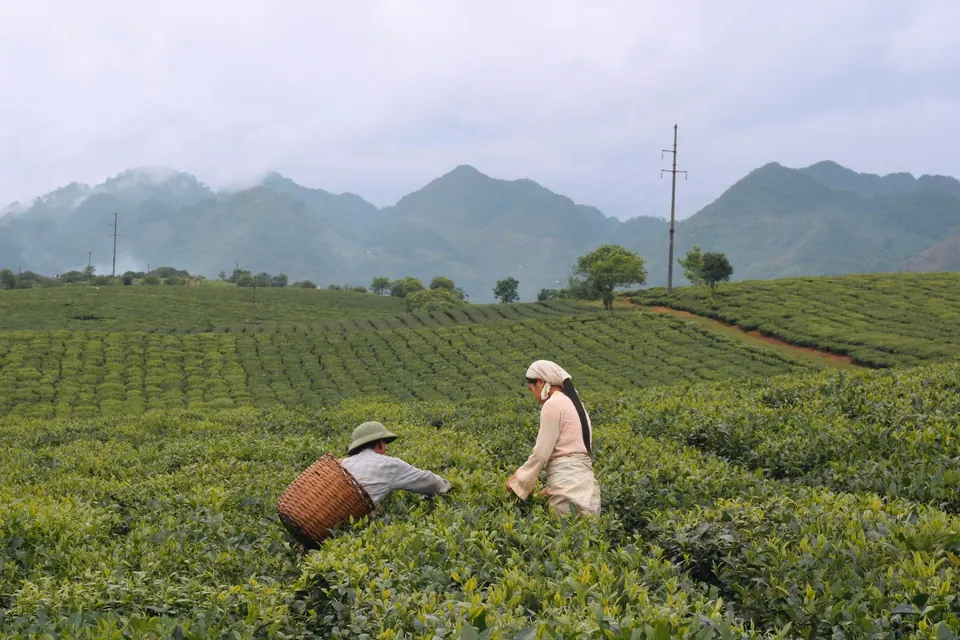
Ta Xua, in Bac Yen district of Son La province, is about 240 km west of Hanoi. Buses and cars follow National Route 6 to Bac Yen town. For the last stretch one guide describes the last stretch as a mountain road with many sharp curves and mentions riding a motorbike or taking a motorbike taxi, so ask your homestay how to get up. Clouds are best at dawn and early morning, so plan to be up early. One guide says to stay at least one night because of the time it takes to get there. There are almost no restaurants catering to visitors, so meals are usually where you sleep.
Guides disagree on the cloud months; the table gives the safe window. One guide says to go early and stay until about ten in the morning. Two ridges share the name "dinosaur spine": the Son La one is the easier, reached on foot or by motorbike, and the Tram Tau one is a harder trek, planned as two days and three nights from Hanoi. Our guide to Ta Xua for cloud hunting explains the difference.
Mu Cang Chai: choose your week with care
Mu Cang Chai is roughly 300 km from Hanoi, and guides give six to eight hours by bus or car. One traveller reports a night bus dropping them at three or four in the morning, so book a room for arrival. Guides suggest two to three days, which leaves time for the viewpoints and some walking between villages.
The terraces hold water in May and June, then turn gold from late September into early October. Harvest time can be crowded, especially at weekends in late September. One guide suggests going midweek. Our guide to Mu Cang Chai in the harvest weeks helps with timing.

Going by car, without a motorbike
- Instead of Ha Giang? Cao Bang, a separate trip to the north-east.
- Nearest to Hanoi of the north-west stops? Mai Chau, one or two nights.
- No motorbike? Pu Luong is reached by private car or limousine van, and buses run to Cao Bang and Mu Cang Chai. For Ta Xua, buses and cars follow National Route 6 to Bac Yen town; one guide describes a motorbike or motorbike taxi for the final stretch, so ask your homestay.
If you want the mountains and the coast in one trip, finish by the sea. Cat Ba is a gentle place to land after mountain roads. We build trips around your dates, and the coast part is ours.
What we read for this guide
Our own detailed articles on these places, travel guides and operator blogs for each region, and national news reports on the July 2025 province changes, read side by side and checked against each other. Opening dates, bus times and flower weeks move quickly, so treat every month and number here as a starting point and check again close to your dates. If a detail matters to your trip, message us: if we don't know, we will say so and find out.
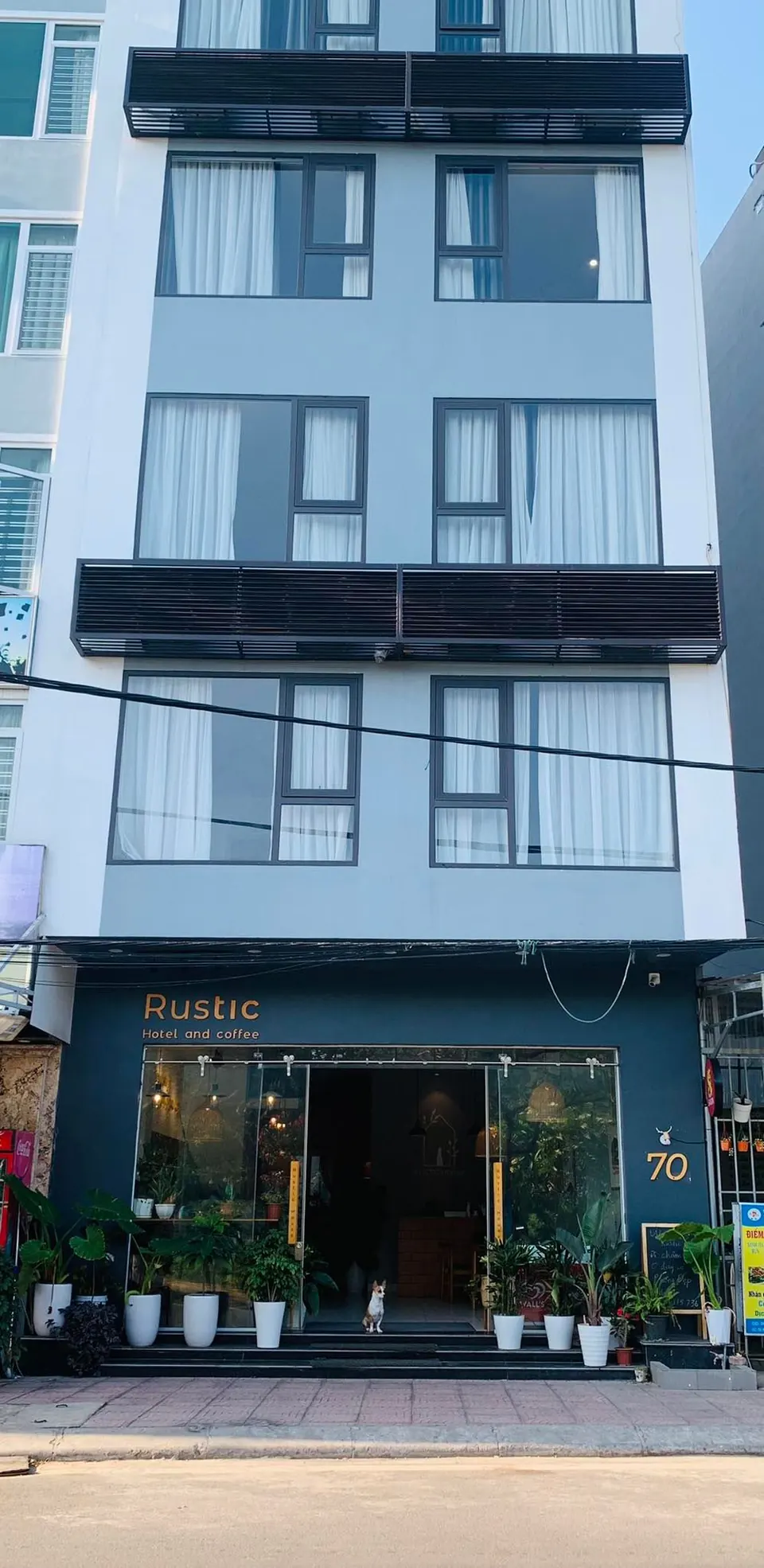
Hoang Anh, host at Rustic House
Written on Cat Ba, from Rustic House at 70 Tung Dinh. Questions about your own dates? Ask on WhatsApp.