Ha Giang loop without riding: easy rider, private driver or car
You do not have to ride a motorbike to see the far north of Vietnam. How an easy rider, a private driver and a car compare, why four days works better than three, and what to check before you book.
Hoang Anh, host at Rustic House · · Updated · 7 min read
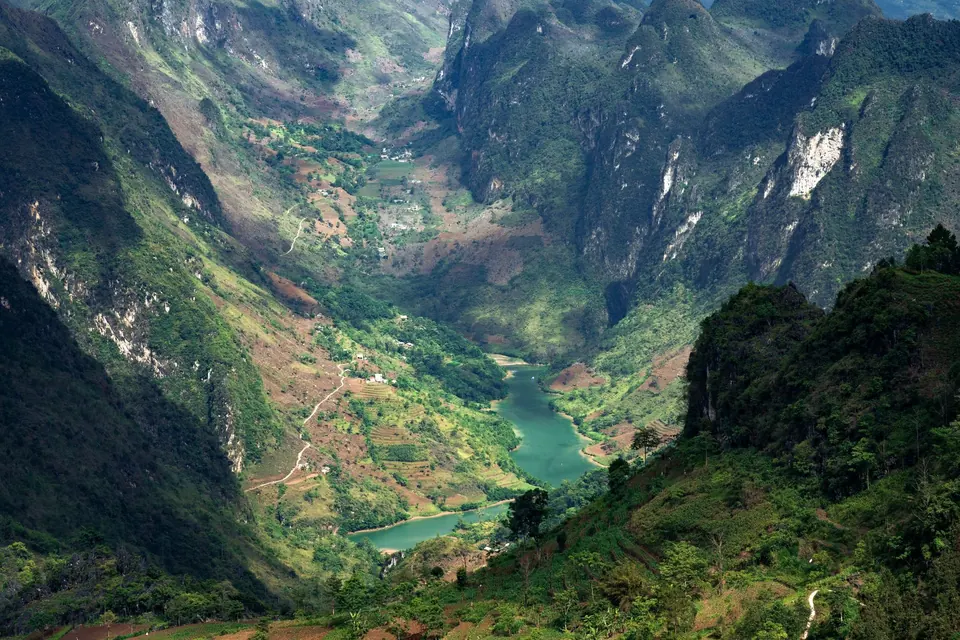
Photo: Q. Hưng Phạm on Pexels
The short answer
You can do the Ha Giang loop without riding yourself: sit behind a local easy rider, or take a car with a driver. Give it four days, the most common length, and reach Ha Giang city the day before instead of taking the night bus. In every case you are the passenger, not the rider.
The back seat is not an armchair. One passenger only felt comfortable around day 3. Fog covered the Lung Cu flag point for one group and gave another zero visibility. A fourth day gives you room to wait out a white morning.
We are a family on Cat Ba, at the other end of the north, and we do not run trips in Ha Giang. This guide is put together from published guides and trip reports, checked against each other and against the official UNESCO and national tourism pages. Where they disagree, we say so.
Ha Giang has been part of Tuyen Quang province since it merged with Tuyen Quang under the national resolution of June 2025. Maps and booking sites may show either name.

Why so many people choose not to ride
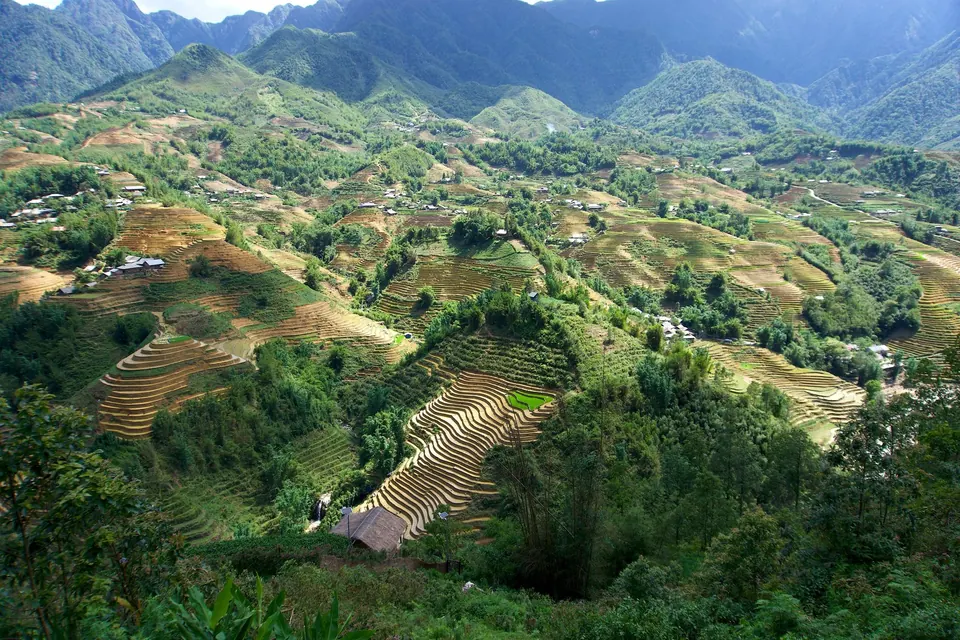
The loop is roughly 350 km, though sources run from about 300 to 384 km depending on side routes. It crosses the Dong Van Karst Plateau, a UNESCO Global Geopark designated in 2015 and dominated by limestone, about 60% by UNESCO's figure. The Ma Pi Leng pass rises to 1,200 metres.
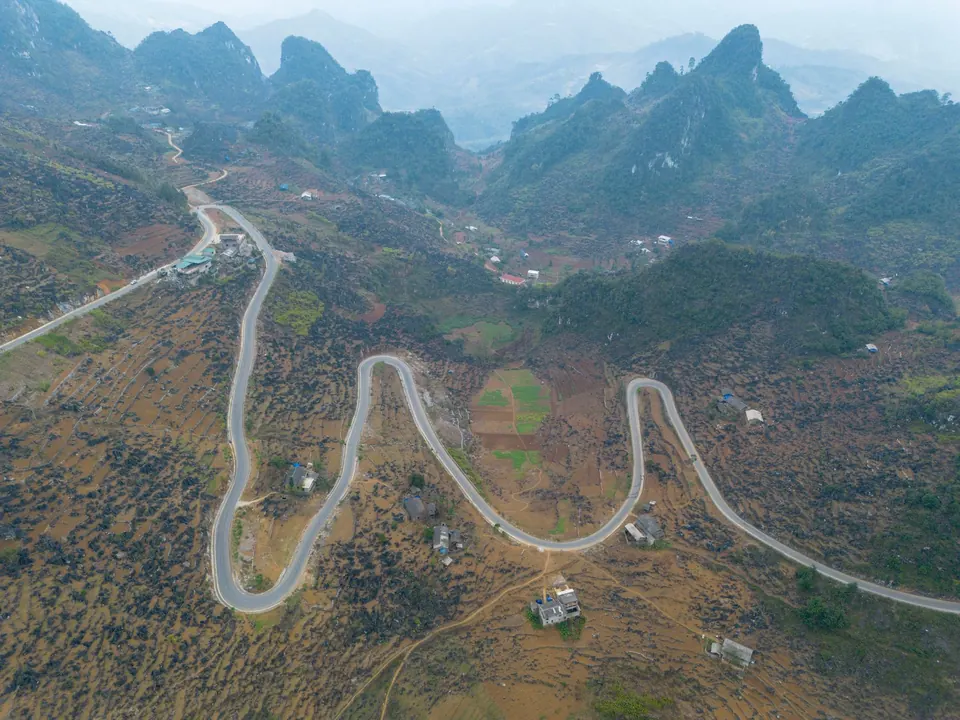
Much of the road is narrow and cut into cliffs. Some sections are paved, others bumpy, muddy or under construction. One writer found few barriers, and the road is shared with trucks, cows, buffalo, rockfall and loose gravel.
Licences are the quieter issue. One guidebook says not to plan on driving the loop yourself without a Vietnamese or international motorcycle licence. Fines are reported from hundreds of thousands to millions of dong, and sources differ. Check your own permit close to your dates, or leave the question to a licensed local driver.
None of this makes the loop a bad idea. It makes it a bad place to learn to ride.
Ha Giang loop without riding: group tour, private rider or car
| Option | What it is like | Suits |
|---|---|---|
| Group tour | You ride behind a local easy rider in a group. Two writers report karaoke and rice wine in the evenings, and shared rooms with mattresses on the floor. | Solo travellers who want company. |
| Private rider | The same back seat with your own driver instead of a group. One writer says a private tour suits anyone who isn't up for the group scene. | Couples and friends who want the views without the party. |
| Car | One blogger calls a car the safest way and barely saw any on the loop. The same passes from a window seat. | Families with children, anyone nervous on two wheels, wet-season trips. |
One blogger calls the easy rider the second-best option and the most popular. On the back seat you ride about 4 to 5 hours a day at an average of 30 to 40 km/h, and stop roughly every hour.
Three days or four, and when to go
Four days is the most common length, though some people do it in as few as three or as many as ten. On a three-day loop the longest day often runs past six hours, and Lung Cu, near the northern tip, often gets skipped. Four days spreads the ride to roughly four to six hours a day.
Fog is the other reason. One operator advises riding between roughly 10am and 3pm, once the fog burns off. A spare day turns a lost viewpoint from a loss into a shrug.
| Months | What to expect |
|---|---|
| March to May, September to November | The easiest months: warm, clear, light rain. Buckwheat flowers bloom on the hillsides in October and November. |
| June to August | Heavy rain. Bring spare changes of clothes. |
| December to February | Bitterly cold. Peach and plum blossom in January and February. |
Sources differ on the dry season, so treat the table as a guide. A heavy jacket, gloves and perhaps thermal underwear are advised from November to March. Our what to pack guide for northern Vietnam covers clothing by season.
The parts worth slowing down for
- Ma Pi Leng on foot. The Sky Path is a trek of about 1.5 hours, with parking at the Happiness Road Museum. One guide says it is quiet, while the pass road itself has lost some of its tranquillity.
- A boat on the Nho Que. From Ta Lang harbour, about 5 km from Dong Van, small boats cruise the green river between the karst walls.
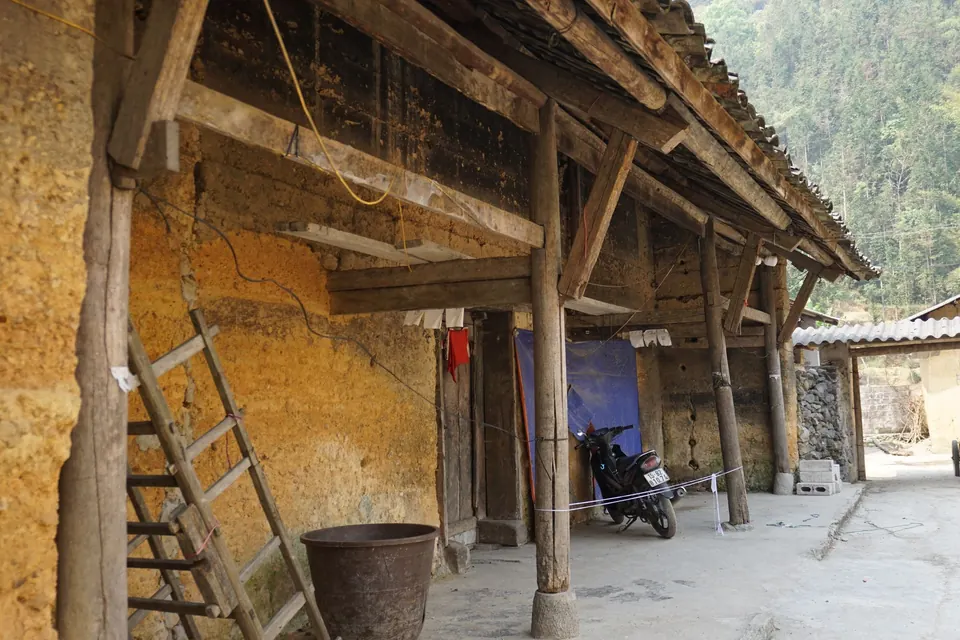
- Pho Bang. A rare Hoa (ethnic Chinese) village, mostly unspoiled by tourism, with an old town of Chinese-style houses. You may need to change your schedule to fit it in.
- Lung Tam. Hmong women weave and embroider linen by hand, and buying close to where it is made helps the weavers more directly.
- Dong Van. An old quarter and a colourful Sunday market.
Practical things nobody puts on the poster
- Skip the night bus if you can. Night buses from Hanoi tend to arrive around 2 to 3am, and one guidebook suggests arriving a day early. A day bus takes about 6 to 7 hours.
- Leave your big bag in Ha Giang city. Operators and hostels offer storage for excess luggage.
- Choose your last night with care. Du Gia is where group tours spend a rowdy, rice-wine evening before returning to Ha Giang, and one guidebook suggests Meo Vac, about 15 km from Ma Pi Leng, as an overnight if you take extra days.
- Ask for a private room when you book. Shared rooms with mattresses on the floor are reported, and a private room can be arranged at extra cost if booked ahead.
- Book homestay dinner at least a day ahead, and say you want dinner.
- Bring basic medicine. Pharmacies can be hard to find in rural areas, and wet clothes struggle to dry.
- Check that your travel insurance covers motorbike riding even as a passenger. Not every policy does.
- Ask your operator what permits are needed for the border area, and check again close to your dates.
After the mountains, the coast
Many people finish the loop tired and want somewhere flat and slow. Our sleeper bus links Ha Giang to Cat Ba in about 9.5 to 14 hours, and every route runs through Hanoi. Someone meets you at the Hanoi changeover. If you finish the loop in Ha Giang city in the late afternoon, the night bus to Hanoi arrives around 03:00 to 05:00 and lines up with the first Cat Ba departures.
Tell us the day your loop ends and we will choose the bus and the connection. Then the bay can do the rest. Message us on WhatsApp +84 961 737 103.
Still planning the rest of the trip? Read how many days in northern Vietnam to give each region, our guide to quiet places in northern Vietnam, and Cao Bang beyond the Ban Gioc waterfall for the far north-east.
What we read for this guide
A motorbike guide to Ha Giang, a major guidebook's route guide, independent trip reports from travel blogs, a tour company's route summary, and the official UNESCO and national tourism pages, read this autumn and checked against each other. Rules, fees and road works change quickly in Ha Giang, so treat every rule here as a starting point and check again close to your dates. If you are unsure about a detail, message us on WhatsApp +84 961 737 103. If we don't know, we will say so and find out.
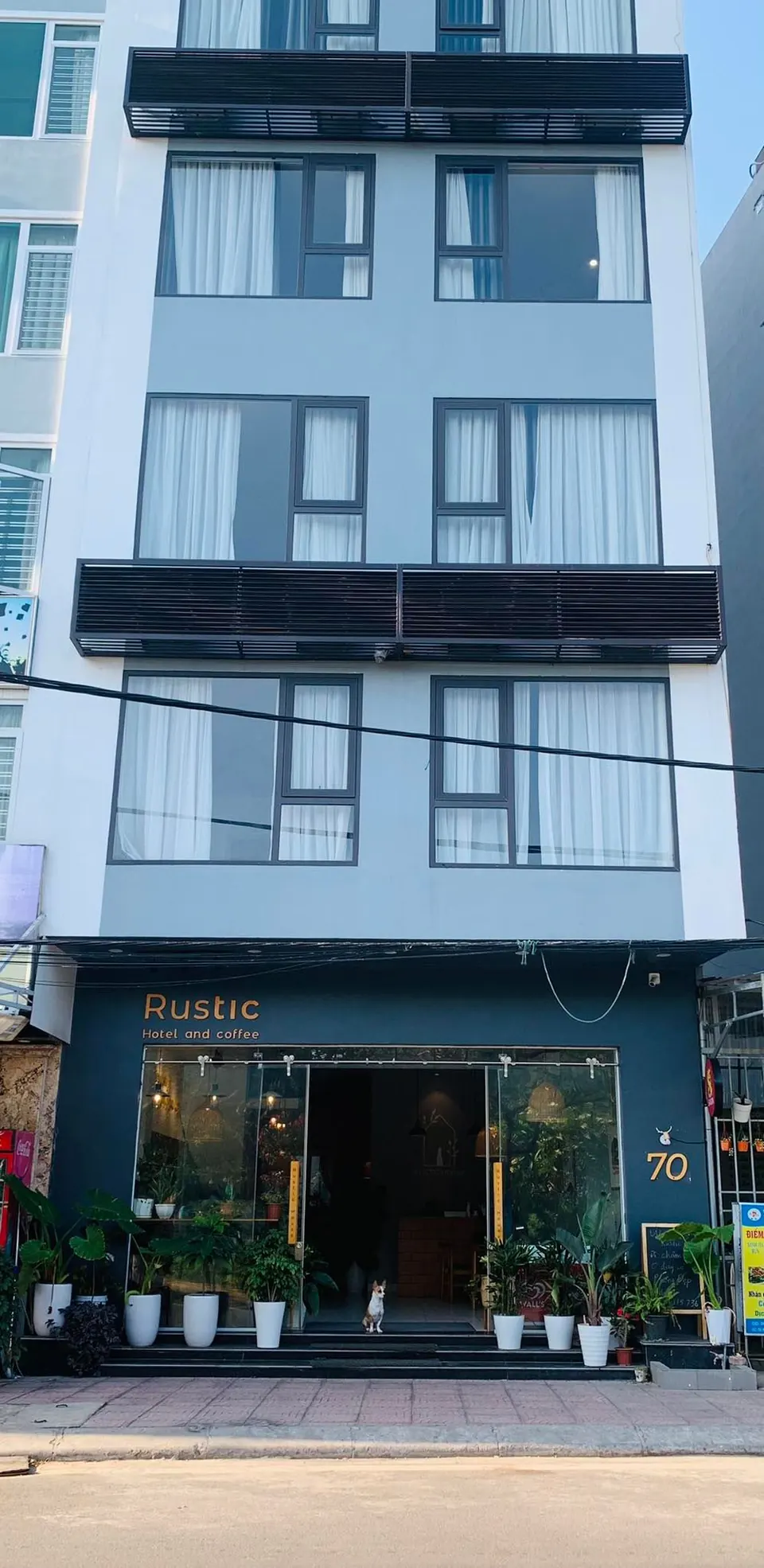
Hoang Anh, host at Rustic House
Written on Cat Ba, from Rustic House at 70 Tung Dinh. Questions about your own dates? Ask on WhatsApp.