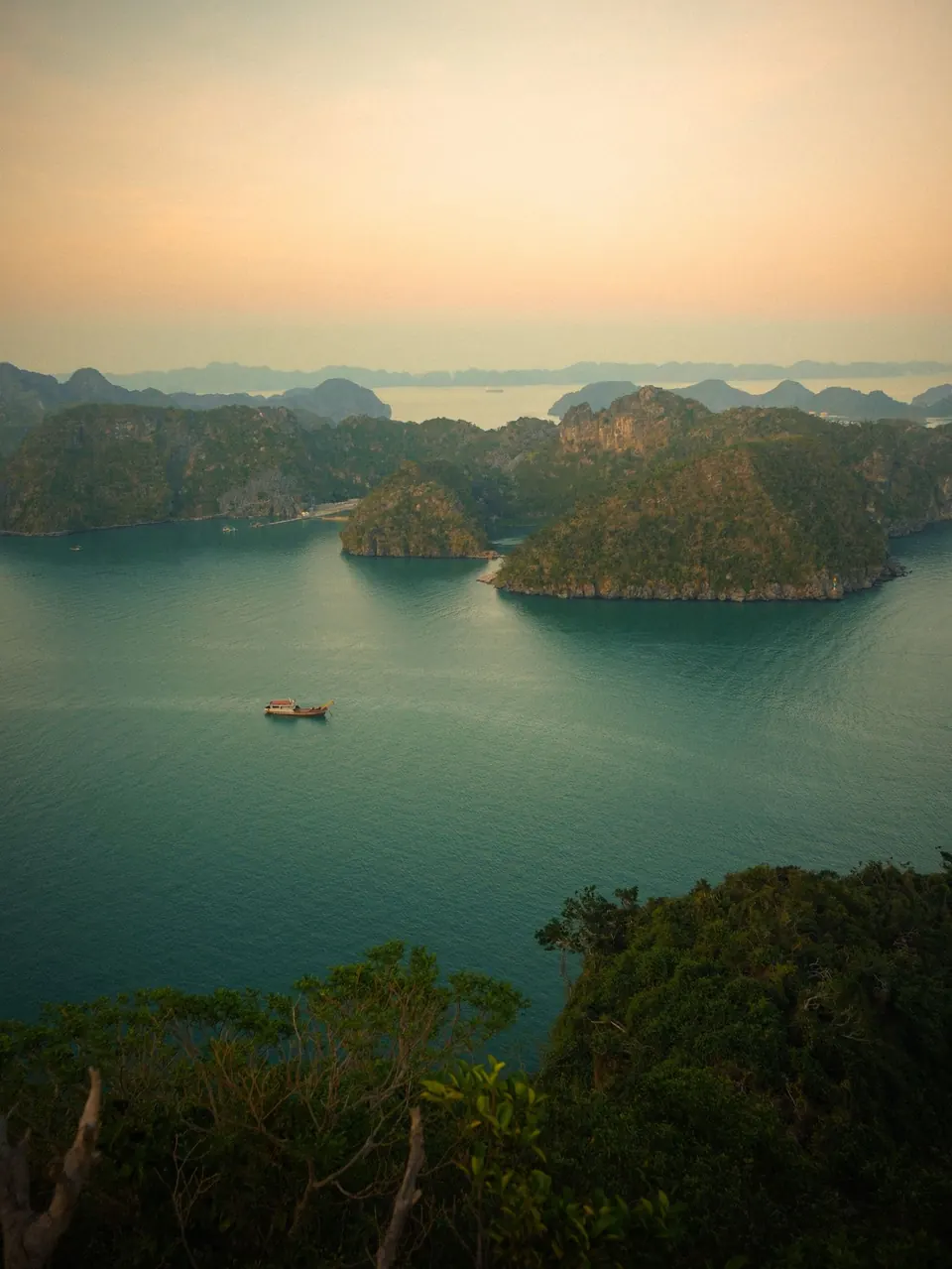
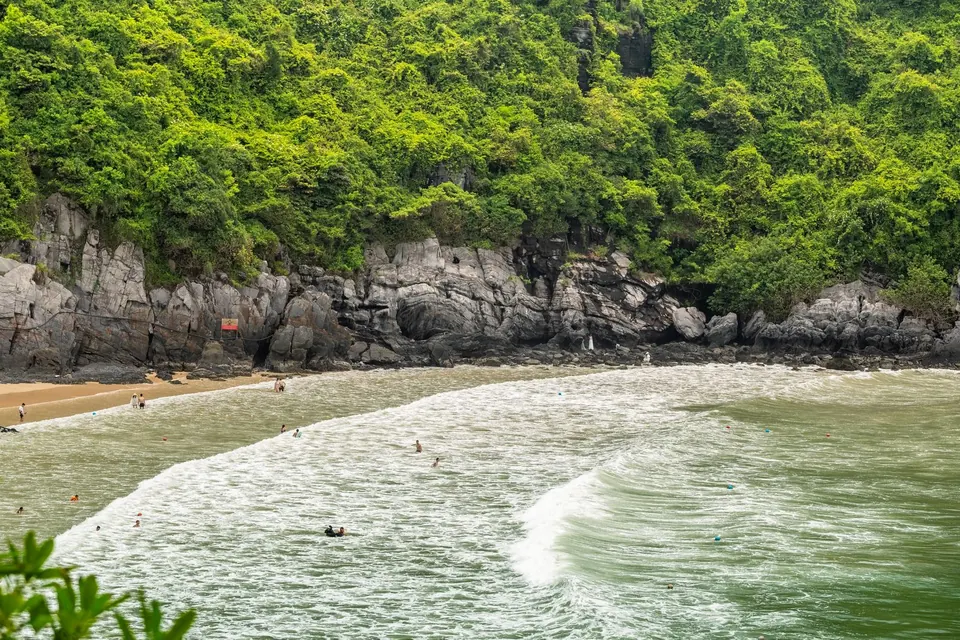
What a Vietnamese welcome looks like at our house in Cat Ba
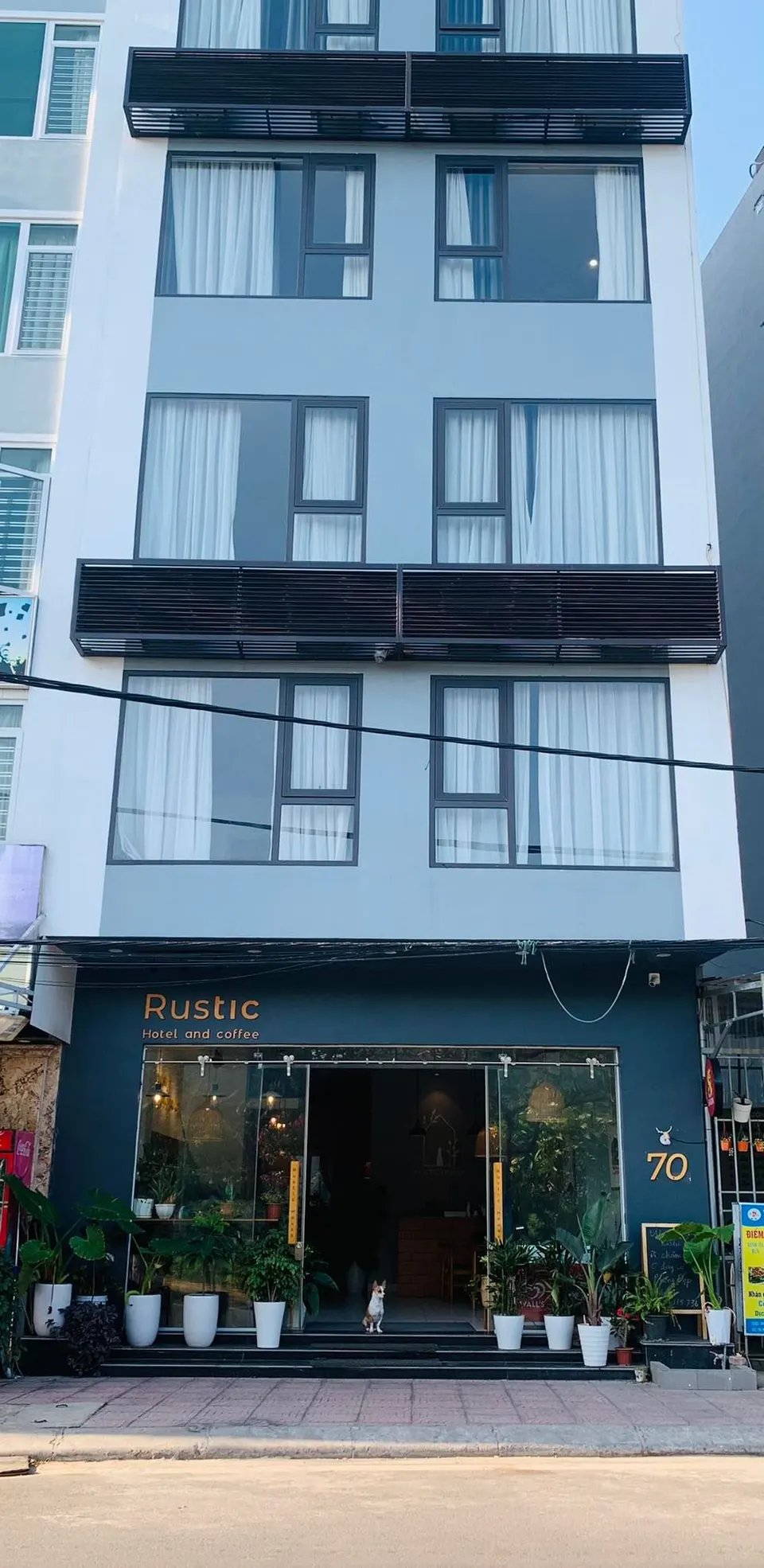
Before any guest of ours sees the bay, they see a wooden door at 70 Tung Dinh. Tea on a tray, a map drawn by hand, one quiet message at noon. This is the welcome our family grew up giving, written down at last.
Hoang Anh, host at Rustic House · · 5 min read
The short answer
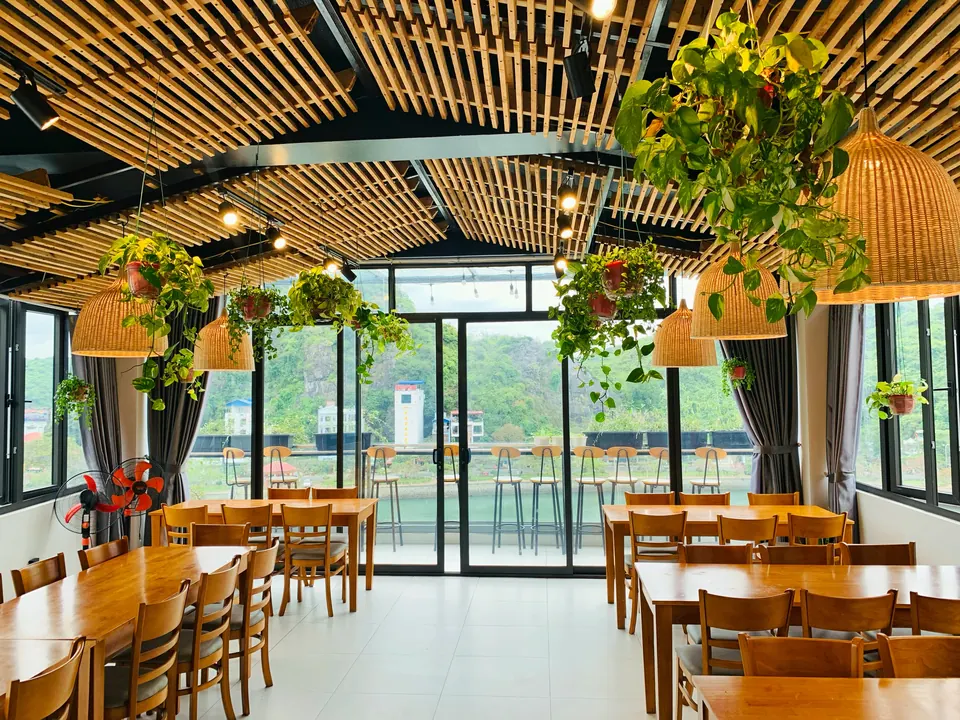
On the morning of a trip, our guests do not start at a pier or under a guide's flag. They start at our house, with the smell of coffee drifting up from the ground floor and a pot of tea that gets poured whether you arrived early or not. The boat can wait ten minutes. A welcome cannot be done later.
Hospitality here is not a service level someone wrote in a manual. It is the way our parents taught us to receive people: feed them first, talk second, do the paperwork somewhere in between. This is what it looks like across one day with us, from the knock on our door to the last message after your train leaves.
Tea first, forms later
The drink is chè, Vietnamese tea, brewed strong and refilled before you notice your cup is empty. With it comes bánh quê, country cakes from a village bakery: steamed rice flour, mung bean, a leaf wrapper you open like a small gift. Nobody hands you a tablet to sign while you are holding a cup. That is deliberate. A guest with tea in both hands is a guest, not a booking.
Around the table we ask the questions that actually shape a day: who gets seasick, who cannot swim, which child needs watching near water, whether anyone is vegetarian. Ten minutes of this prevents most of the problems a boat can offer, and it is a better use of your morning than any waiver.
My mother says a guest who has eaten at your table stops being a stranger. We simply moved the table closer to the pier.
The map we draw while you drink
While the tea goes down, someone in the family draws your day on paper: the channel the boat takes, the lagoon where the kayaks go in, where lunch happens, which cave depends on the tide. It is not art. It is a page you can hold on the boat, follow with a finger as the karsts pass, and keep.
The map also does work a briefing cannot. When you can see where the kayaking sits between two stretches of open water, you understand the rhythm of the day before anyone explains it. Guests who feel nervous about the sea usually relax at our table, hours before the boat.
The evening before, and the middle of the day
The night before your trip your phone gets one message: pickup time, the weather as it looks that evening, what to bring, and a number a human answers. There is no chain of follow ups. Weather gets the same honesty: if the captain expects wind, you hear it from us the night before, with the realistic options, go early, swap the day, or take a land day, never as a morning surprise at the pier.
All of it runs on one number, ours, answered by a person from seven in the morning until eleven at night, every day of the year. Not a rotation and not a bot with our name on it. If you write at nine in the evening about a seven o'clock boat, you will have your answer before you finish packing.
Midday, on the water, you get exactly one more: is the day as we promised? If the answer is yes, we go quiet and let you sleep on the deck. The silence is part of the service.
After the boat comes back
That evening we ask how the day went, privately, before anything else. If something was off, we take it up with the operator that same evening, and you hear what came of it. Only after that conversation, and only if you want it, does the subject of a review exist. A review requested before the question were you happy is just a receipt.
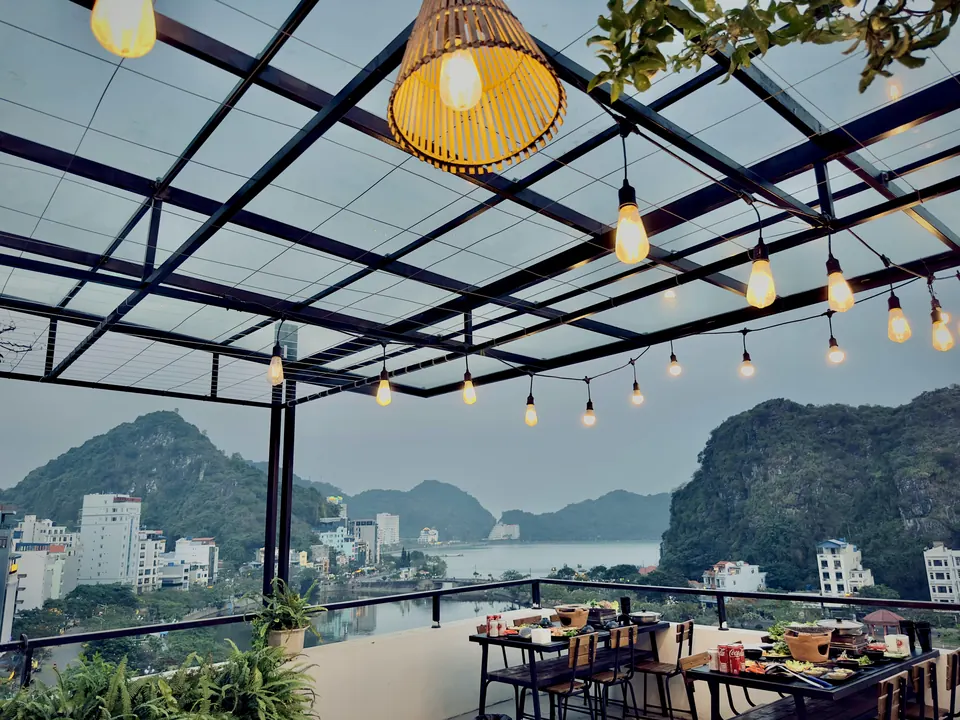
A day or two later, as your trip moves on, you get a few suggestions for your next stop, offered the way a neighbour would offer them over a fence. And if you are still on the island that evening, the rooftop does hotpot, and the table has room.
Why food does the talking in a Vietnamese house
In a Vietnamese home the first move with any visitor is to feed them, and the second is to feed them again. It is not about being impressive; it is about not making a guest negotiate their own comfort. Hot food says: you are inside now, the outside world can wait. When we send guests to eat cơm nhà, a home cooked rice meal, in the villages, we are sending them into somebody else's version of the same welcome.
This is also why the trips we sell make a point of lunch cooked on the boat rather than carried on in boxes. It is not a premium feature. It is the difference between hosting someone and distributing them.
Come for the tea anyway
You do not need a booking to knock. The house is at 70 Tung Dinh in Cat Ba Town, a four minute walk from Tung Thu beach, and the cafe downstairs opens early. Come with questions, come with a trip you already booked somewhere else, or come because it is raining. If you are staying elsewhere on the island, tell us where and we will build the pickup around it; the welcome is not a loyalty scheme, it is just how a day should start. Our story page on this site explains how the house and the trips fit together. The tea is not conditional.
Hoang Anh, host at Rustic House
Written on Cat Ba, from Rustic House at 70 Tung Dinh. Questions about your own dates? Ask on WhatsApp.